
















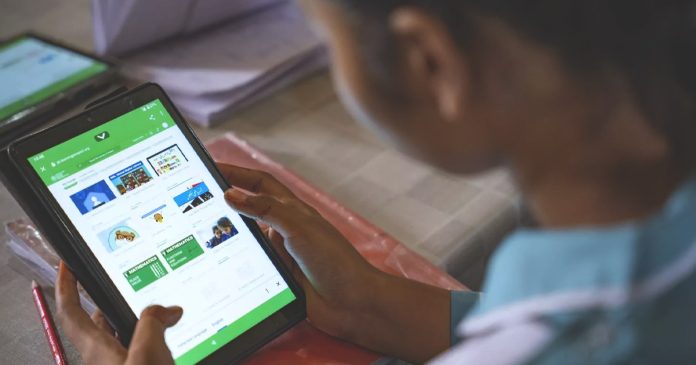

Children today are growing up in a world where the internet is part of everyday life. But this world also has risks. Harmful videos, violent games, fake news, online strangers and misleading content are only a few clicks away.
On Universal Children’s Day, it is important for Pakistani parents to understand how to create a safer digital environment for their children, as the goal is not to fear technology, but to guide children so they can explore the internet with protection.
1. Start with Honest, Open Conversations
The safest place for a child is a home where they can talk without fear. Ask your child about what they watch, which games they play and who they interact with online. Let them know that:
- Not everything on the internet is true
- Some online content can be upsetting or confusing
- Strangers online are not always who they claim to be
- They can always come to you if something feels wrong
Use simple and calm language. Avoid scaring or shaming them. Your reaction decides whether they will come to you again.
2. Set Clear Digital Rules
Children feel safer with clear boundaries. Every household can create simple digital rules like:
- No devices after 8 PM
- No phones or tablets in bedrooms or bathrooms
- No downloading apps without permission
- No chatting with strangers
- Ask before clicking unknown links
Write these rules down and place them near the device so everyone remembers them.
3. Use Parental Controls and Safety Tools
Technology can help protect children from harmful content. Pakistani parents can use:
- YouTube Kids instead of regular YouTube
- Google Family Link to control apps and screen time
- Safe Search on Google
- Screen time controls on Android and Apple devices
- WiFi filters that block adult content
These tools reduce risk, but they do not replace parental attention.
4. Choose Safe, Educational Content
Guide your child toward content that is helpful and age-appropriate. Try:
- Urdu educational channels like Pakkay Dost (with supervision)
- Islamic stories and moral lessons
- Cartoons like Sesame Street or Cocomelon cartoons
- Learning apps like Khan Academy Kids or Taleemabad
Explore these platforms yourself so you know what your child will see.
5. Be Careful with Games That Have Chat Features
Games like Roblox, PUBG and Free Fire often include live chat with strangers. Children can be exposed to bullying, grooming, or violent language.
What parents can do:
- Disable chat if possible
- Check which games your child plays
- Occasionally play with them to understand the environment
- Explain that online friends are not real friends
- Teach them never to share personal information in games
6. Keep Devices in Shared Family Spaces
Children should not use phones or tablets alone in bedrooms. Keeping screens in common areas like the lounge makes it easier to supervise naturally without spying or hovering.
7. Look Out for Warning Signs
Sometimes children don’t know how to talk about something they saw online. Watch for:
- Secretive or defensive behaviour
- Quickly switching screens when you enter
- Sudden fear, anxiety or withdrawal
- Loss of interest in school or family activities
These may signal that they have seen harmful content or interacted with someone unsafe.
8. Teach the Importance of Privacy
Explain why things like names, addresses, school information or photos should not be shared online. Help them understand that once something goes online, it is hard to remove.
9. Talk About Cyberbullying Early
Teach children to be kind online and to come to you if someone is being hurtful. Make sure they know it is okay to ask for help from a parent or teacher.
10. Be the Role Model They Learn From
Children follow what you do more than what you say. Try to:
- Limit your own screen time
- Avoid violent or inappropriate content around kids
- Show respectful and responsible online behaviour
Your habits become their habits.
Why Internet Safety Matters for Pakistani Children?
Internet safety is not just about avoiding bad websites. It is about protecting children from real and serious dangers that exist online today.
As children in Pakistan get phones earlier and spend more time online, they face dangers they may not understand or know how to avoid. Here’s what parents need to know.
1. Online Sexual Abuse and Grooming
Predators often contact children through social media or gaming chats. They gain trust, ask for personal details or photos and manipulate children who don’t realise they’re in danger.
Kids must know never to share their name, school or photos with strangers. If a child feels uncomfortable online, they should be able to tell a parent without fear.
If you suspect grooming, contact 1121, PTA, FIA or NCRC.
2. Cyberbullying
Bullying no longer stops at school. Online, it can be constant and cruel. It includes:
- Threatening messages
- Fake accounts using a child’s photos
- Sharing private info without permission
- Posting embarrassing content
Cyberbullying can cause anxiety, poor grades and emotional distress. Look for signs like secrecy, sudden sadness or avoiding school.
Save evidence, block the bully and report it.
3. Harmful Content
Children can easily stumble upon explicit videos, violence or hateful content. This can confuse them, affect their behaviour or harm their emotional development.
If it happens, stay calm, talk openly and use parental controls to prevent repeat exposure.
4. Fake News and Misinformation
Kids often can’t tell real news from fake posts on WhatsApp, TikTok or YouTube.
Teach them to double-check information, question sources and avoid forwarding anything without verifying it.
5. Screen Addiction
Excessive screen time affects sleep, schoolwork and mental health. Gaming addiction can lead to aggression, isolation and poor grades.
Set daily limits and encourage offline activities. Model healthy habits yourself.
6. Cybersecurity Risks
One wrong click can install spyware or viruses.
Teach children to:
- Never share passwords
- Avoid unknown links or attachments
- Be suspicious of “gifts” or strange messages
Change passwords and report suspicious links if needed.
You can also go through this UNICEF Safety guide for more guidance: Safeguarding Your Child In The Digital Age.
How Can Schools Support Online Safety?
Schools play a crucial role in building safe online habits. Through digital literacy lessons, children learn how to use the internet wisely, spot fake or harmful content, and share information responsibly.
Teachers can also show students how to use technology for learning instead of just scrolling or gaming.
When parents and teachers stay connected and on the same page, online safety becomes a shared effort.
The internet is a powerful tool, and with the right support, it can be a place where children learn, explore and grow safely.
On this Universal Children’s Day, let’s commit to giving our children not only access to the digital world but the skills to navigate it safely.
Stay tuned to Brandsynario for latest news and updates