














In Pakistan, the midnight notification of a petrol price hike has evolved from a routine economic update into a collective psychological trauma. As the cost of a single litre of fuel scales at a staggering Rs458.40, the social contract is fraying in real-time. For the country’s embattled middle class, these inflation bombs are doing more than just emptying fuel tanks. They are systematically dismantling the very aspirations of stability, education, and upward mobility.
From the ripple effect on essential food prices to the profound psychological toll of survival mode living, the fuel crisis is no longer just a budgetary line item; it is a mirror reflecting a deeply unequal global order where the world’s most vulnerable pay the highest price for volatility they didn’t create.
The Economic Impact
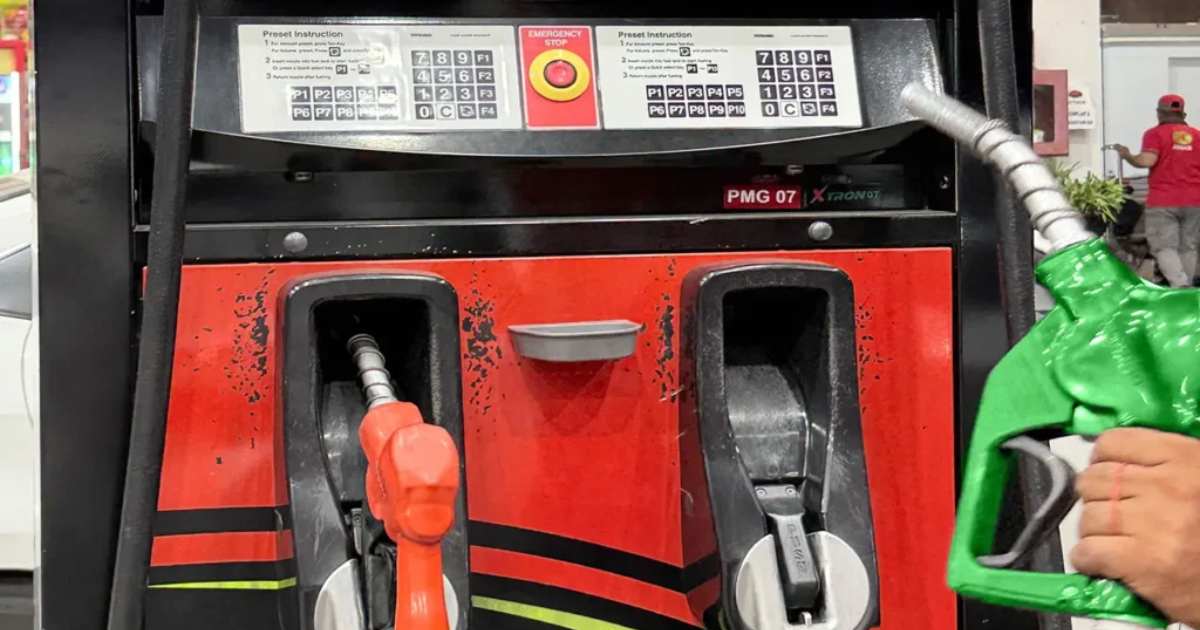
The recent fuel price hike in Pakistan, effective April 3, 2026, has pushed petrol to Rs. 458.40 per litre and diesel to Rs. 520.35 per litre. This massive adjustment is expected to drive inflation into double digits by late April.
1. Skyrocketing Logistics & Food Inflation
- Inland Freight Surge: The All Pakistan Textile Mills Association (APTMA) expects inland freight costs, such as Karachi to Punjab, to rise by 25-30%.
- Immediate Food Price Hikes: Within hours of recent hikes, wholesale vegetable and fruit prices in markets like Lahore’s Ravi Road jumped by 20-25%.
- Essential Commodity Impact: The price of a 20kg bag of flour has increased by Rs. 50 to Rs100 due to the combined rise in transportation and milling costs.
2. Transport & Commuting Strain
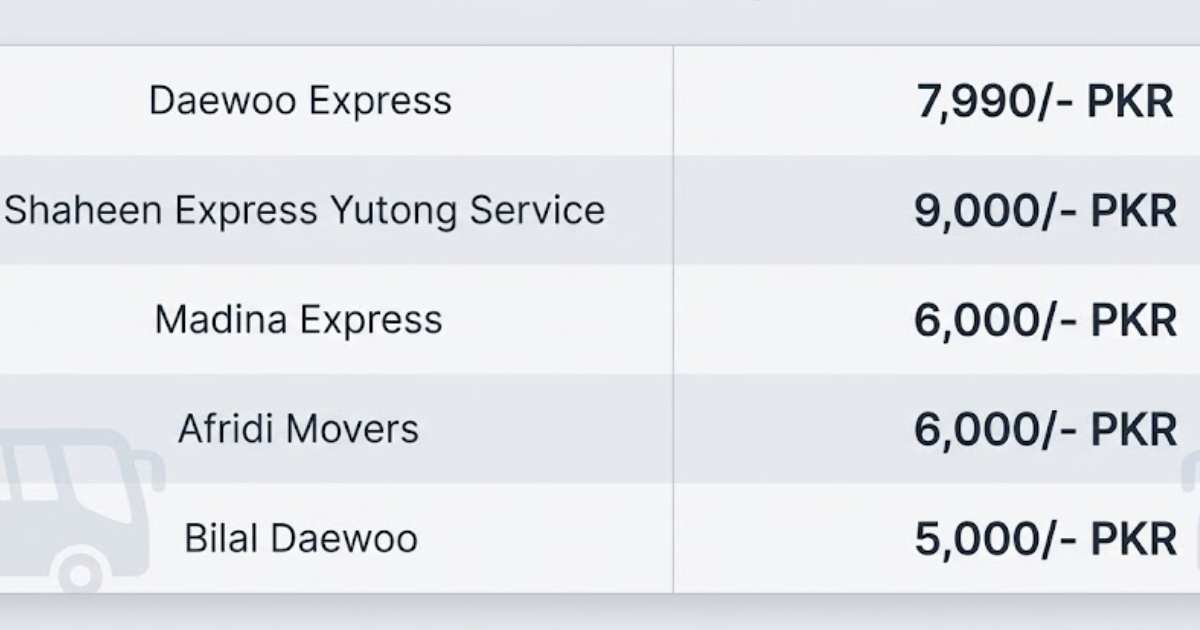
- Public Transport Fares: Long-distance bus fares have seen steep revisions; for example, the Peshawar-to-Karachi fare rose from Rs3,000 to Rs5,000.
- Pakistan Railways: Freight charges for goods trains have increased by 20%, while passenger fares for AC classes rose by 10%.
- Ride-Hailing & Daily Commute: Commuters using ride-hailing services face higher fares and longer wait times as drivers struggle with unsustainable operating costs.
3. Industrial & Export Crisis
- Unsustainable Production Costs: The Pakistan Chemicals & Dyes Merchants Association (PCDMA) warned that these unsustainable energy costs are slowing commercial activity nationwide.
- Export Competitiveness: The textile sector, which earned $18 billion in FY25, faces a severe loss of global competitiveness due to spiked logistics and energy expenses.
- Import Bill Pressure: Every $5 increase in international oil prices adds roughly $1 billion to Pakistan’s national import bill.
4. Agricultural Setbacks
-
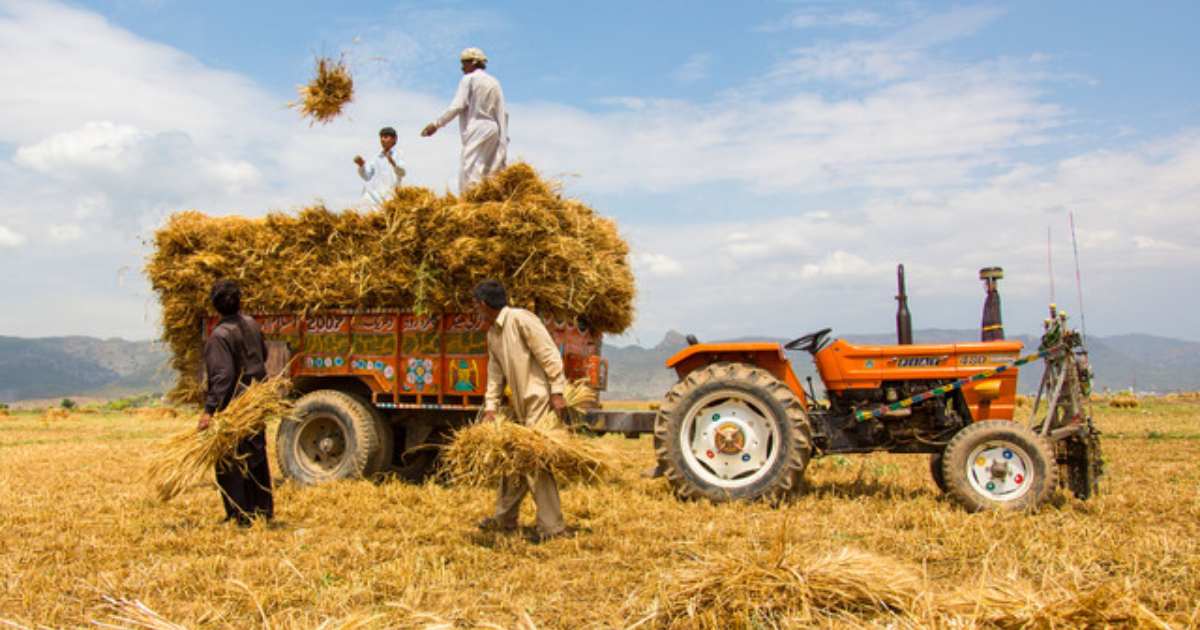
- Farming Inputs: High-speed diesel (HSD) is the backbone of agriculture; its price surge directly raises the cost of operating tractors, harvesters, and irrigation pumps.
- Reduced Margins: Farmers are forced to pass these costs on to consumers, but often face reduced demand as consumers cut back on spending.
5. Targeted Relief Measures
- Motorcycle Subsidy: The government has introduced a targeted subsidy of Rs100 per litre for motorcycle users, capped at 20 litres per month.
- Transit Subsidies: While provincial governments agreed to maintain current fares for Bus Rapid Transit (BRT) systems to protect urban commuters, this has created price disparities for rural residents.
The Psychological Toll: From Aspiration to Survival
The psychological impact of these petrol hikes on the Pakistani middle class isn’t just about stress; it is a fundamental erosion of the self. For a demographic that defines itself by its ability to provide, plan, and progress, the constant price fluctuations trigger a state of permanent survival mode.
1. The Death of Aspiration (Future-Dread)
- Stagnation Trauma: When a person works 10 hours a day but sees their purchasing power drop by 20% in a single announcement, it creates a sense of learned helplessness. Fear replaces the belief in hard work with the chilling realisation that no matter how fast you run, you are sliding backwards.
- The Dream Downgrade: Psychologically, moving from a car to a bike, or from a private school to a government one, is experienced as a grief process. It’s a loss of status and a public admission of financial defeat.
2. Decision Fatigue and Mental Bandwidth
- The Math of Survival: Instead of focusing on career growth or family bonding, the brain is occupied by: “Can I afford this detour?” “Should I skip meat this week to pay for the van fee?”
- Cognitive Load: Research shows that chronic financial scarcity lowers effective IQ because the mental bandwidth is entirely consumed by immediate survival. This leads to irritability, poor workplace performance, and brain fog.
3. Chronic Anxiety and Inflation Paranoia
-
- The 15th and 30th Anxiety: The fortnightly price reviews have become Judgment Days. Before the announcement, people doom-scroll through news and crowd petrol pumps, fueling a deep scarcity mindset.
- Secondary Stress: Parents feel a deep sense of shame when they have to say no to small luxuries for their children (like a treat or a school trip) because the petrol budget ate the joy fund.
4. Erosion of Social Cohesion
- Road Rage and Short Tempers: The frustration felt at the petrol pump or in traffic isn’t just about the heat; it’s displaced anger toward a system that feels unfair. This manifests as increased aggression in public spaces.
- Social Isolation: The middle class often maintains social bonds through visiting relatives or eating out. When fuel becomes a luxury, people stop visiting each other. This leads to loneliness and a breakdown of the traditional support systems that keep Pakistani society resilient.
Global Inequality: The Energy Rentiers
The petrol hike in Pakistan is a domestic reflection of a deeply fractured global energy and financial system. While the middle class in a developed nation might see a fuel hike as a reason to cancel a vacation, for the Pakistani middle class, it is often a descent into energy poverty.
1. The Exorbitant Privilege vs. The Import Trap.
- Currency Asymmetry: Wealthy nations (like the US or EU) pay for oil in their own currencies or have a reserve status that allows them to borrow cheaply to buffer price shocks.
- The Debt-Fuel Cycle: Pakistan must pay in US Dollars. When global oil prices spike due to Middle East conflicts, Pakistan’s import bill can surge by $9 billion or more. To pay for this, the country often takes IMF-backed loans that mandate the removal of fuel subsidies. This creates a vicious cycle where global market volatility is passed directly to the citizen.
2. The Climate Injustice Paradox
-
- Historical Responsibility: Industrialised nations are responsible for 92% of excess CO2 emissions since 1850, building their wealth on cheap fossil fuels.
- The Price of Cleaning Up: As the world shifts away from oil, the remaining supply becomes more volatile. Pakistan contributes only 0.4% to global emissions. Yet, these families pay the highest price for the world’s energy transition. They face extreme fuel costs while reeling from climate disasters like the 2022 floods. Those floods alone swallowed $15.2 billion. It is a brutal tax on a crisis they did not create.
3. Infrastructure and Capital Inequality
- Renewable Barriers: In 2023, developed countries had over 1,100 watts of installed renewable capacity per person, while the least developed regions had only 40 watts.
- Financing Gap: Petrol price hike in Pakistan aren’t just a cost; they are a barrier to the future. When a middle-class family spends 40% of their income on fuel and electricity, they have no capital left to invest in solar panels or electric vehicles.
4. Asymmetric Inflation Transmission
- The Diesel Backbone: Because Pakistan’s agriculture and logistics are diesel-dependent, fuel hikes act as a regressive tax. The poorest households suffer proportionately twice as much as high-income groups because every rupee spent on fuel is a rupee taken from essential nutrition
The petrol hike is not just a budget adjustment; it is a demolition of the Pakistani dream. Every increase at the pump steals more than just rupees; it steals time, health, and future opportunities from a middle class already on the brink.
This crisis exposes a global system that forces the least responsible to pay the highest price for international volatility. Pakistanis are tired of surviving one notification at a time.
Without structural reform and global energy justice, these hikes will continue to break the backbone of the nation until there is nothing left to salvage.
Stay tuned to Brandsynario latest news and updates.

 Join a Channel
 Brandsynario
 Veryfilmi