















The movie is never as good as the book, and the sequel is never as good as the first. Yet The Devil Wears Prada 2 is a valiant effort. Sure, it has its demerits, but even those can be folded into the discourse the film is trying to present.
Director David Frankel returns, while the “core four”- Meryl Streep, Anne Hathaway, Emily Blunt, and Stanley Tucci- all reprise their roles. Meanwhile, Justin Theroux, Lucy Liu, and Kenneth Branagh step into new roles among the supporting cast.
Back to Runway
The film opens with the leading women trapped in their respective quagmires. Andy Sachs, now a respected journalist, has been laid off alongside her coworkers as the legacy publication she works for struggles financially. Meanwhile, Miranda Priestly faces backlash after publishing a puff piece on a brand accused of employing sweatshop labour. Taking matters into his own hands, Irv Ravitz, owner of Elias-Clarke and Miranda’s boss, hires Andy as Runway’s new features editor.
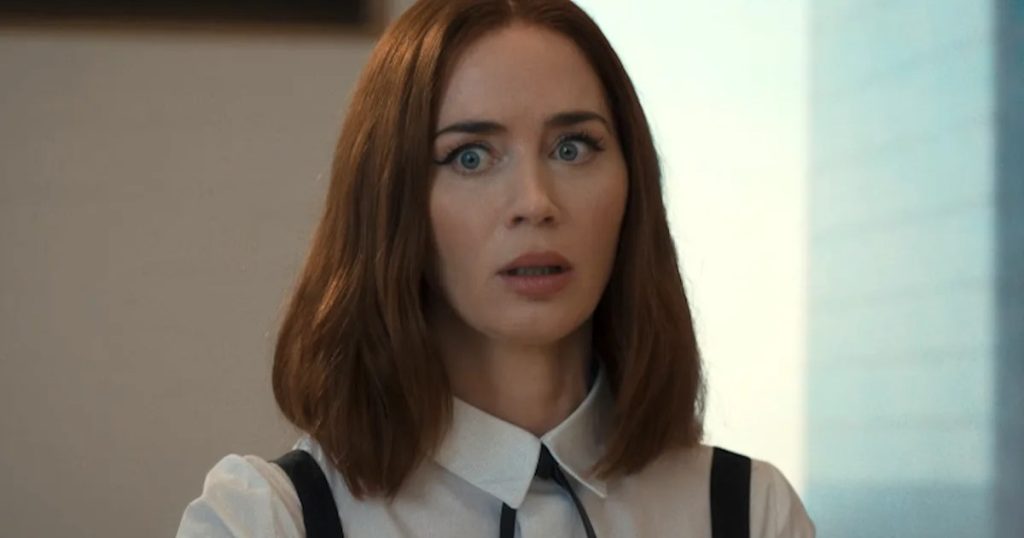
The sequel does not shy away from tapping into nostalgia. Once again, audiences are presented with a wide-eyed Andy standing before an icy Miranda. Emily Charlton is no longer directly under Miranda’s thumb, but she remains on the fringes of the conflict. She now works as a luxury executive for Dior, one of Runway’s advertisers. The film reveals she is still bitter over Miranda firing her years ago for not being “visionary” enough.
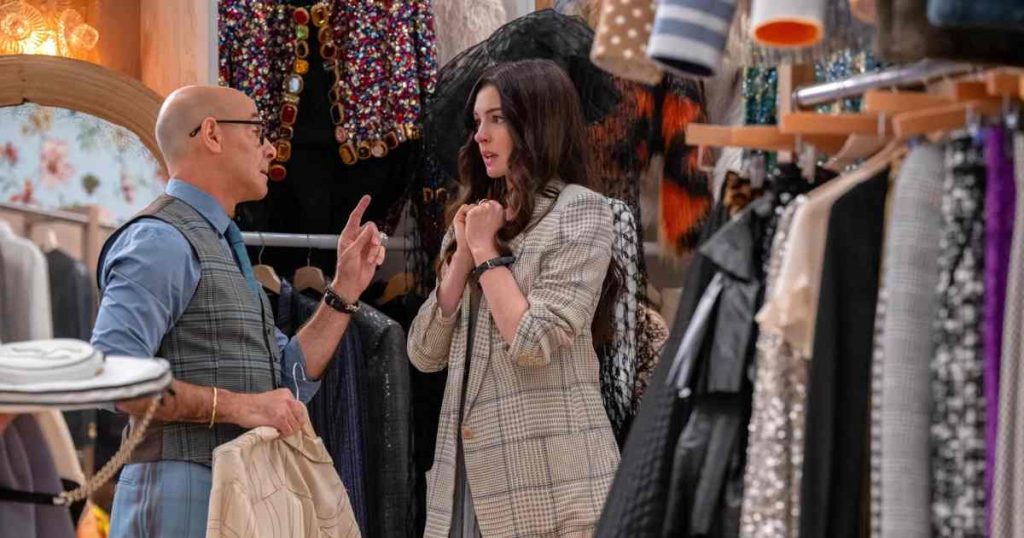
Fashion Media in a Digital Graveyard
At its core, The Devil Wears Prada 2 is a jab at the apocalyptic state of media in a digitised world. Nearly twenty years later, Runway is crumbling in the era of digital slop. The once-prestigious publication now churns out clickable content for a teenage audience that lacks an understanding of couture.
Andy, still clinging to journalistic integrity, writes features intended to rehabilitate Runway’s image. The articles are well-written and narratively rich, yet their worth is measured entirely through metrics and traction. Unsurprisingly, the numbers disappoint.
It is dismal to watch publications reduced to chasing quantifiable impact while seeking support from tech billionaires simply to survive. Andy eventually secures her place at Runway by landing an interview with Sasha Barnes, the elusive ex-wife of a Silicon Valley billionaire.
The Death of Prestige
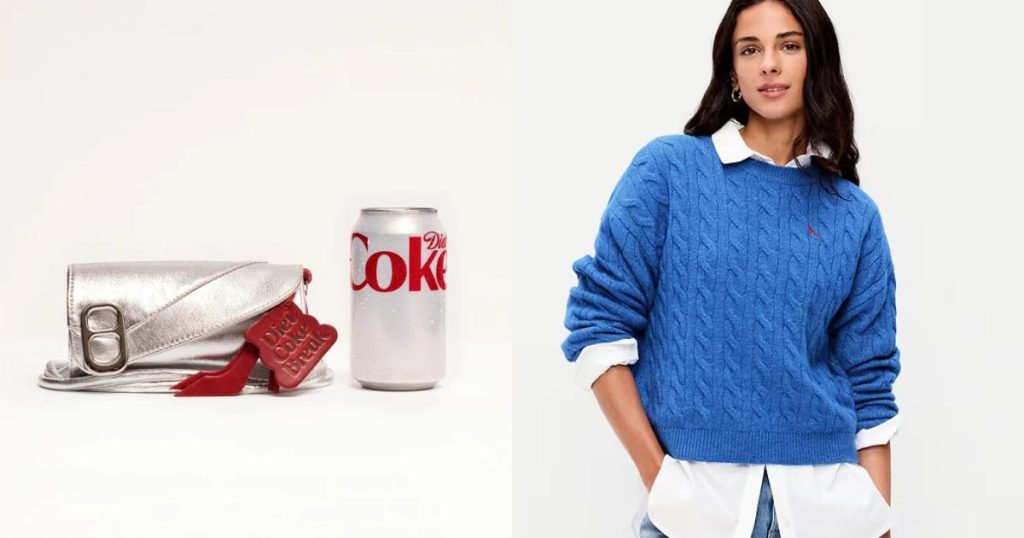
Where the original film struggled to even borrow designer pieces due to fears surrounding Anna Wintour’s influence, the sequel reportedly worked with over fifteen brand partners. The contrast is hard to ignore. The first film positioned itself as a criticism of prestige labour; the sequel collaborates with Old Navy to release merchandise based on Andy’s iconic blue sweater. Perhaps the most gimmicky example is the Vogue cover featuring both Meryl Streep and Anna Wintour.
The film knowingly folds this investor-driven reality into its own narrative. When Irv’s son takes over Elias-Clarke, his obsession with cost-cutting and disinterest in fashion threaten Runway’s future. Andy devises a plan for the magazine to acquire independence through funding from Benji, Sasha Barnes’ ex-husband. During a gala scene, Miranda approaches Benji, who launches into bleak predictions of a future ruled by AI where artistic integrity becomes meaningless.
A Sequel That Understands Its Audience
The Devil Wears Prada 2 cannot really be viewed as a sequel that deepens the original narrative in a significant way. However, for fans of the first film, it remains an enjoyable experience. Where it could easily have collapsed into hollow fan service and lazy writing, it instead keeps a surprisingly light hand with both.
References to the original are sprinkled throughout without becoming overwhelming, and the returning cast have lost none of their charm. Their performances remain sharp, witty, and effortless.
The film has an enjoyable plot and works around relevant themes of digitisation, artificial intelligence, and the interplay of high fashion and a capitalistic world. Instead of dragging in a cheesy new angle or replacing beloved actors, The Devil Wears Prada 2 offers up all that was enjoyable about the first: the lively script, the glittery clothes rack of Manhattan fashion, the snippy dynamics of the core four, and, most importantly, a discussion on the state of fashion in a world two decades later.
Stay tuned to Brandsynario for Latest Movies News and updates

 Join a Channel
 Brandsynario
 Veryfilmi