












Iran is facing a serious political and security transition after the reported killing of Supreme Leader Ali Khamenei following joint military strikes involving the United States and Israel. In response, Iranian authorities announced the formation of a three-member transitional leadership council to manage state affairs during the political vacuum.
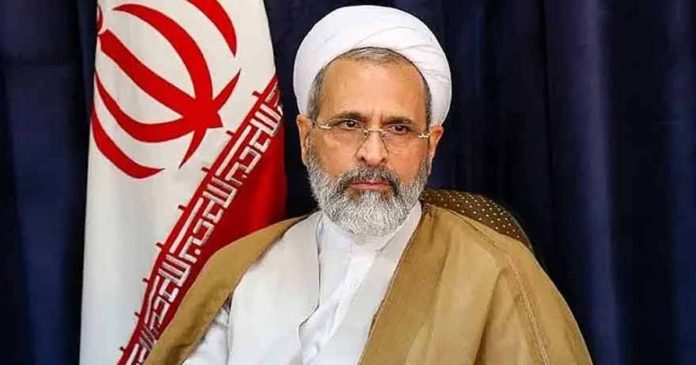
The council includes senior political and judicial figures. Among them is Alireza Arafi, a member of the powerful constitutional watchdog body. The other two members are President Masoud Pezeshkian and Supreme Court Chief Justice Gholam-Hossein Mohseni-Ejei. Their appointment was confirmed by the Expediency Council, which plays a key role in resolving political and legislative disputes.
The transitional council will govern until the 88-member Assembly of Experts selects a new Supreme Leader. Iranian law requires the Assembly of Experts to choose a successor as soon as possible to ensure political stability. Khamenei had governed Iran for nearly 37 years, making his death a historic turning point for the country’s political system.
The killing occurred during a joint US-Israeli military operation that targeted strategic locations. This event has raised serious concerns about Iran’s future leadership structure and regional policy direction. Government institutions have moved quickly to maintain administrative continuity, while security forces remain on high alert across major cities.
At the same time, the role of the military establishment is expected to remain influential. The Islamic Revolutionary Guard Corps (IRGC) is likely to play a decisive role in national security decisions during the transition period. Reports suggest that security chief Ali Larijani may also contribute to policy coordination within the leadership structure.
The IRGC command structure also experienced losses during the recent attack. The commander-in-chief of the IRGC was reportedly killed, marking the second such high-level military death within a year. Authorities have not yet officially announced the next leader of the elite military organisation, although some IRGC-linked communication channels have mentioned deputy chief Ahmad Vahidi as a possible candidate.
Meanwhile, Iranian state media carried strong political messaging following the attacks. Larijani accused the United States and Israel of attempting to destabilise and divide Iran. He warned that any secessionist movements inside the country would face a strong response from national security forces.
In public statements, Larijani emphasised national unity, saying that Iran’s military and population would deliver a strong message to foreign adversaries. Such rhetoric reflects the government’s strategy of strengthening domestic cohesion during periods of external pressure.
Strategically, the transition phase could shape Iran’s long-term foreign policy direction. The leadership selection process by the Assembly of Experts is expected to influence nuclear negotiations, regional alliances, and economic sanctions policies. International observers are closely monitoring Tehran’s political movements.
Regional Security Tensions and Global Economic Concerns
The recent attacks have intensified security risks across the Middle East. Military analysts believe the confrontation could affect shipping routes, energy markets, and diplomatic relations. Gulf countries are particularly cautious because of their strategic location near major oil transportation corridors.
Global markets reacted cautiously to the news. Investors are watching energy supply stability, since Iran plays a significant role in regional geopolitics. Transportation networks, aviation routes, and international trade logistics may face temporary adjustments if tensions escalate further.
From a corporate perspective, multinational organisations are reviewing risk exposure in the region. Business travel policies and supply chain operations are being reassessed to maintain operational safety. Governments across the world are urging diplomatic restraint to avoid wider conflict.
Religious and social responses inside Iran also reflect strong emotional reactions. Public mourning and political mobilisation are expected as authorities manage both security and administrative continuity. The transition period represents one of the most sensitive moments in modern Iranian political history.
As developments continue, we are observing the balance of power among political institutions, military leadership, and constitutional bodies. The future selection of Iran’s Supreme Leader will likely determine the country’s strategic path in the coming years.
International diplomatic engagement remains essential to prevent further escalation. The global community continues to monitor the situation, as regional security, economic stability, and humanitarian concerns remain closely connected.
Stay tuned to Brandsynario for latest news and updates

 Join a Channel
 Brandsynario
 Veryfilmi