

















More than a century after his death, Franz Kafka has quietly become a figure of fascination for Gen Z. His stories are more than literary curiosities. They speak directly to the anxieties, alienation, and contradictions of a generation navigating an uncertain, hyperconnected world.
But what is it about Kafka that resonates so strongly today?
The Kafkaesque as a Mirror for Modern Life
Franz Kafka’s The Metamorphosis, written in 1915, has been a classic for over a century, a staple recommendation in English classrooms worldwide. In a curious turn of cultural cycles, TikTok has rediscovered the Czech author’s work, turning #Kafka into its latest phenomenon.
The hashtag has amassed over 130 million views, and that number continues to grow daily. It’s not just TikTok either. On Twitter, endless memes circulate, while Tumblr is alive with Kafka’s sultry and morbid diary entries.
What Happens in The Metamorphosis?
For anyone who hasn’t picked it up since English class, the story is simple yet profound. Salesman Gregor Samsa wakes up one morning to discover he has been inexplicably transformed into a gigantic insect. The novella follows his struggle to adjust to his new condition and the way this bizarre change reshapes his relationships and identity.
The dark, cynical tone of The Metamorphosis resonates deeply with TikTok users. Similar to the resurgence of Donna Tartt’s The Secret History, Kafka’s work explores isolation, alienation, and philosophical introspection.
Gregor spends most of the novella confined to his bedroom, a scenario that mirrors the loneliness many in Gen Z experience, now often described as the “loneliest living generation.”
Kafka’s writing is another key factor behind his viral appeal. The Metamorphosis can be read in a single sitting, making it perfect for an audience with shorter attention spans but a curiosity for classic literature. Its brevity, clarity, and emotional weight allow readers to dive into Kafka’s world without feeling overwhelmed.
TikTok users are also drawn to Kafka’s way of writing about love. His lines are quoted, analysed, and marvelled at for their intensity. One TikTok contrasts modern casual texts with Kafka’s language: “When he says ‘ily’ but Kafka said, ‘you are the knife I turn inside myself.’”
Kafka could not maintain romantic relationships, saw marriage as a prison, and felt unworthy of love. His diaries and letters reveal a man trapped by his own insecurities, yet endlessly reflective and sensitive.
His ability to capture desire, fear, and vulnerability makes his work feel profoundly relevant.
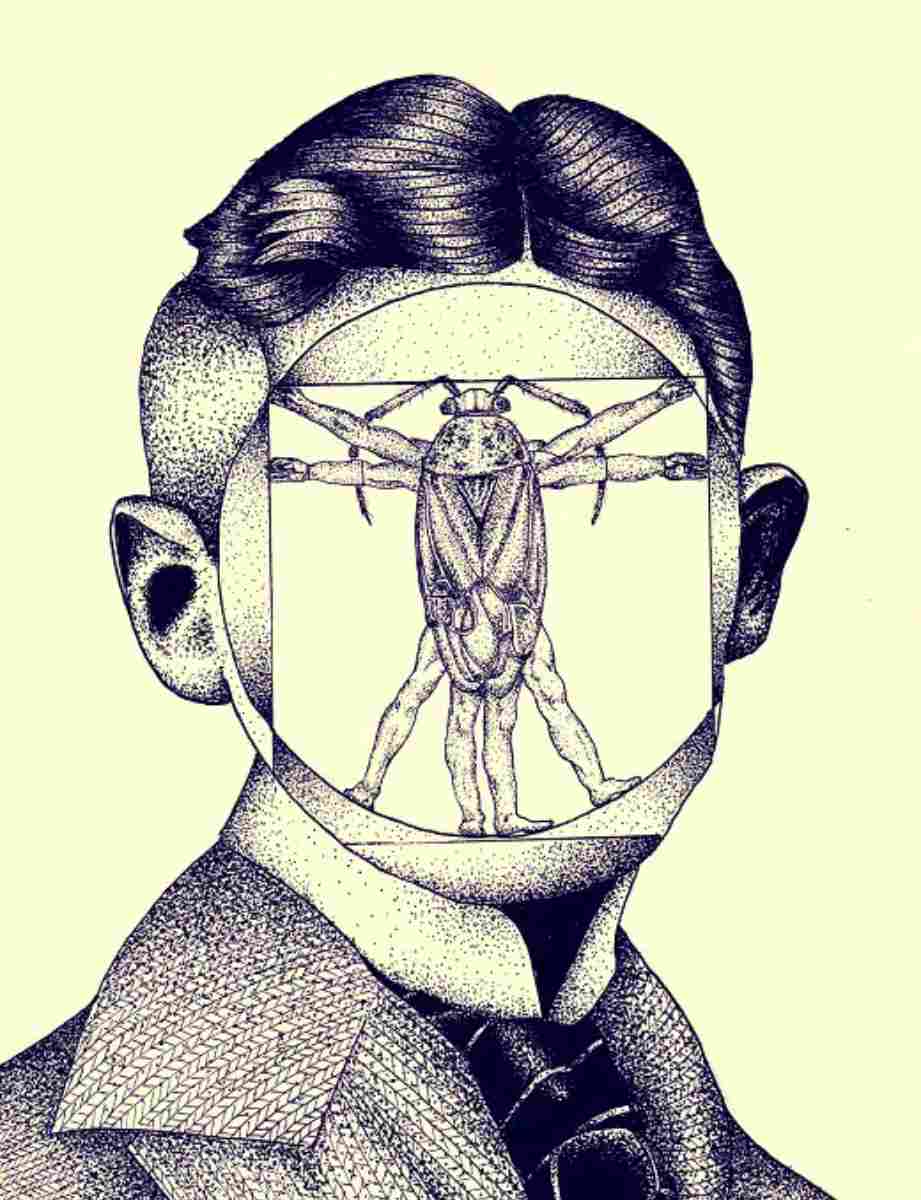
Kafka and the Modern Zeitgeist
Ultimately, Kafka’s writing captures the emotional realities of today. From the isolation of the pandemic to anxiety over climate change and the alienation of modern life, his stories explore feelings that are surprisingly familiar. The idea of a man waking up as a giant insect may seem absurd, but it also provides comfort. It acknowledges the strangeness, uncertainty, and quiet despair of life and reminds readers that these feelings are universal.
Kafka’s own life was shaped by pressure and alienation. His father was a loud, successful businessman who expected strength, assertiveness, and ambition. Franz was quiet, bookish, sensitive, and socially awkward. No matter what he achieved, he felt inadequate. Like many young people today, he grew up constantly seeking validation he never received.
Switching from chemistry to law to please his father, Kafka spent his days in a bureaucratic office job he hated and his nights writing to make sense of himself and the world around him.
For Gen Z, his work is not just a literary relic; it is a lens through which to understand their own anxieties, desires, and the absurdities of the modern world.
The “Kafka aesthetic,” like the Sylvia Plath aesthetic, is more than just reels; it’s a way for Gen Z to feel understood, to feel like they belong.
Stay tuned to Brandsynario for latest news and updates

 Join a Channel
 Brandsynario
 Veryfilmi