















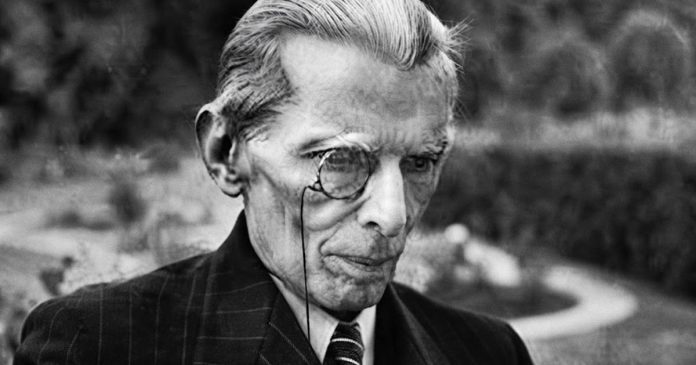

Every September, state television loops the same melancholic mili naghma, politicians tweet standardised quotes, and we see a neat cardboard cutout of Quaid-e-Azam Muhammad Ali Jinnah. Reducing Pakistan’s founding father to a rigid icon does him a massive disservice. It erases the brilliant, chaotic, and deeply human reality of who he actually was. As his death anniversary rolls around, we need to log off from performative grief. We must stop treating history like a fixed aesthetic and finally confront his complex legacy.
Key Takeaways
- Jinnah began his career in 1904 inside the Indian National Congress. He initially opposed separate electorates as a British divide-and-rule trap.
- As a legislator, he pushed for progressive laws, supported intercommunal marriages, and defended civil liberties.
- Nehru noted that Jinnah stood above his peers. Jinnah eventually became trapped by the reactionary mass movement he had to mobilise.
- His landmark 1947 speech remains the ultimate blueprint for a pluralistic state where religion stays separate from governance.
From Congress Loyalist to Constitutional Crusader
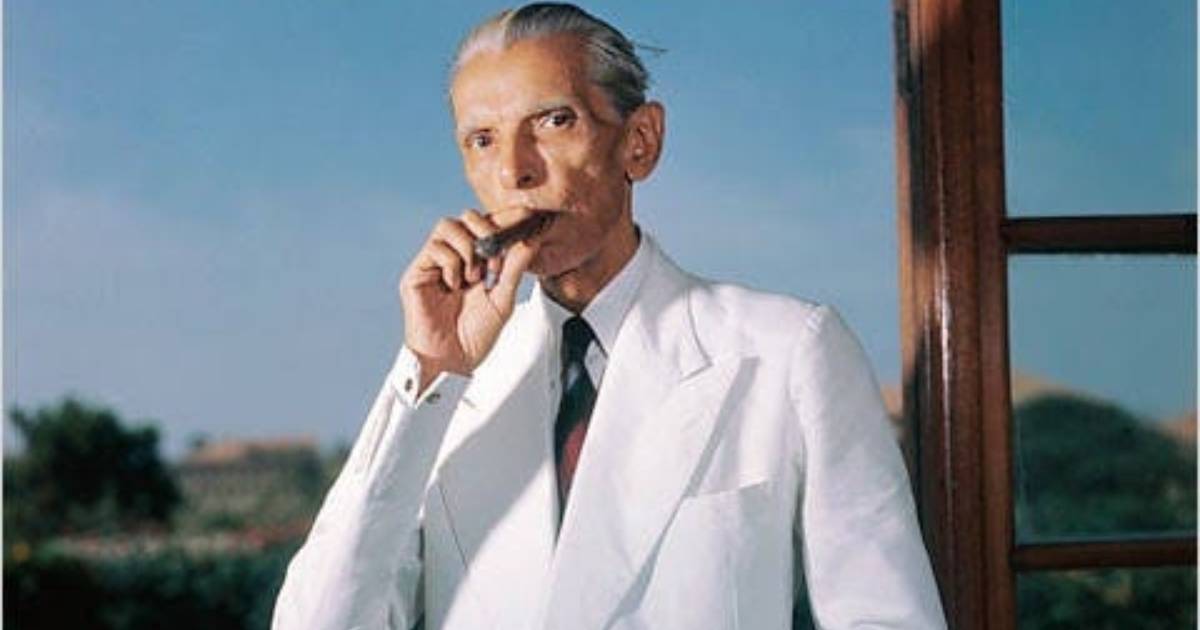
To truly understand Jinnah, you must examine his life through a chronological timeline. The man who fought for Pakistan in the 1940s did not start with a separatist script.
-
Secular Nationalist Roots (1904): Jinnah entered mainstream politics through the Indian National Congress, firmly advocating for pan-Indian unity rather than communal isolationism.
-
Opposition to Separate Electorates (1906): He openly criticised the Simla Deputation’s demand for separate electorates, viewing it as a British strategy to divide and rule.
-
Legislative Leadership (1910 onwards): Upon joining the Imperial Legislative Council, he consistently argued that civil authority and state law should supersede rigid religious orthodoxy.
-
Championing Social Reform:
-
Intercommunal Marriages (1912): Supported the Special Marriage Amendment Bill to establish civil marriage frameworks regardless of religious affiliation.
-
Child Marriage Restraint (1929): Backed the Sarda Act to outlaw child marriage despite intense opposition from conservative religious circles.
-
-
Defending Academic & Civil Freedoms (1920): Stood against government control during the Aligarh Muslim University Bill debates, establishing a firm record as an unwavering defender of free expression and civil liberties.
The Prisoner of His Own Movement
So, how did a secular constitutionalist end up founding a religious-majority homeland? Enter the tragic paradox of political mobilisation. Jawaharlal Nehru once observed that Jinnah stood head and shoulders above everyone else in the Muslim League. Jinnah openly despised the opportunism of many of his peers. Yet, history forced him into a corner.
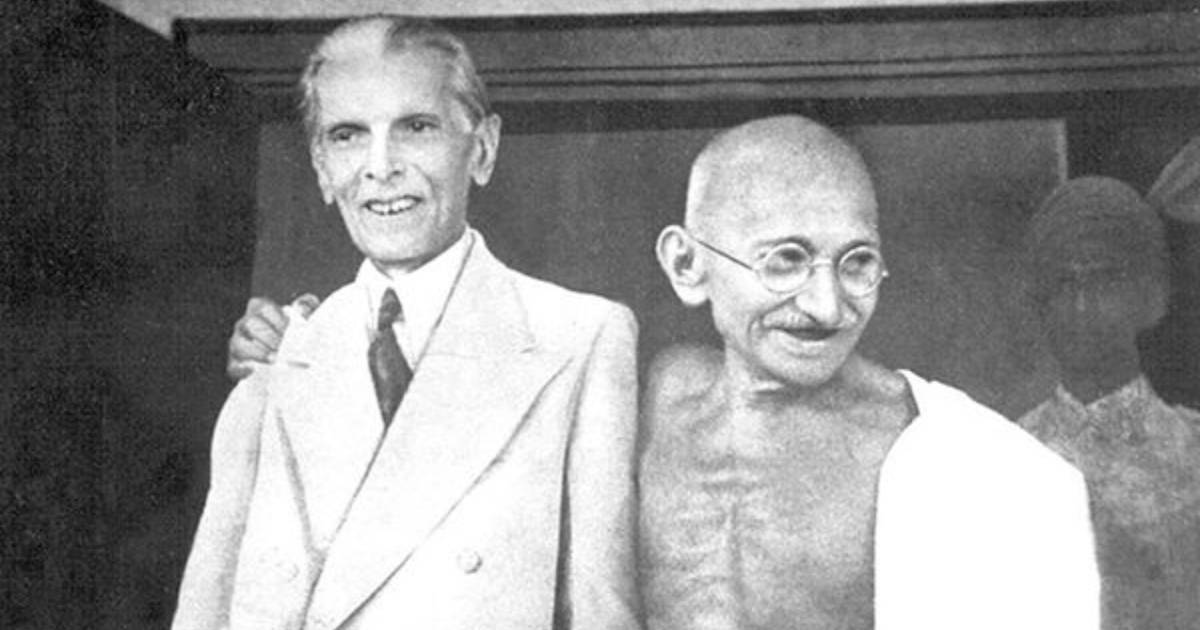
As a master constitutional lawyer, Jinnah initially tried to secure minority rights through constitutional safeguards inside a united India. Majoritarian politics inside Congress left him with zero options. To fight for Pakistan, he had to rally a massive public base.
- That meant partnering with traditional, feudal, and orthodox elements that clashed with his personal worldview.
- He became a prisoner of his own followers.
- He needed a mass movement to cross the finish line, but that movement compromised his pristine liberal blueprint.
The August 11 Blueprint vs. Post-Independence Drift
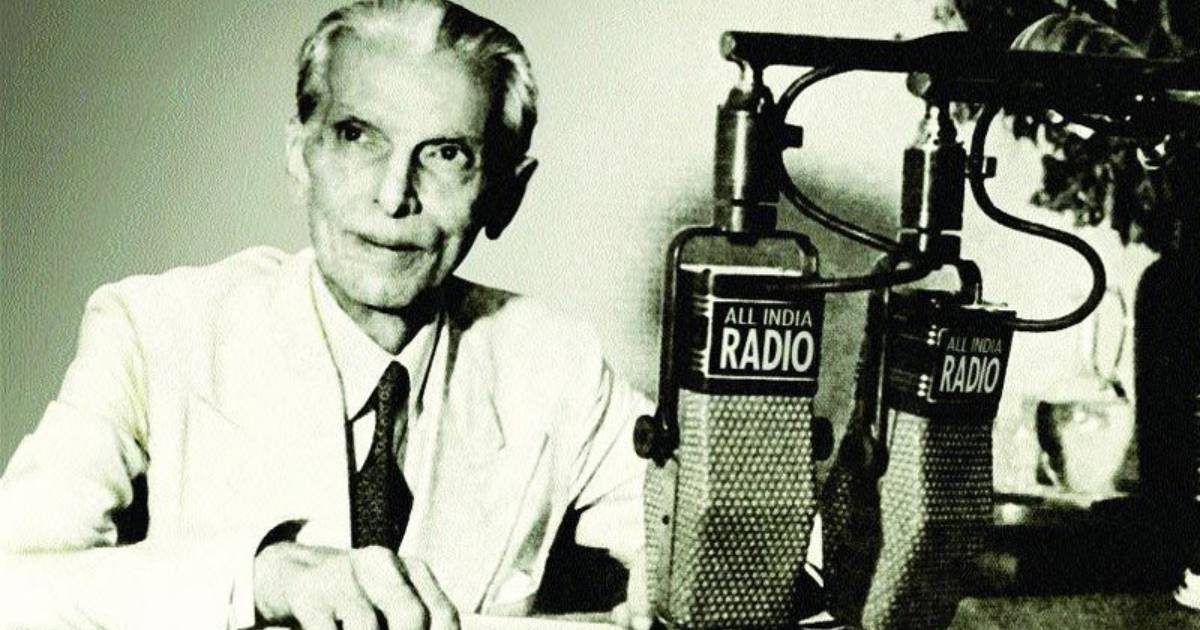
Look at his August 11, 1947 speech to the Constituent Assembly if you want to know what Jinnah actually wanted. It was a total mic-drop moment. He laid out a clear vision: “You may belong to any religion or caste or creed, that has nothing to do with the business of the State.” He dreamed of a modern civic nation where religion was strictly a private matter.
However, the second he passed away in September 1948, the guardrails vanished.
- The state panicked, and political expediency took over.
- Leaders buckled under pressure from religious actors and birthed disasters like the Objectives Resolution.
- They drifted miles away from Jinnah’s design.
- Without his commanding presence at the top, early politicians traded constitutionalism for short-term control and fractured the country’s foundation.
Reclaiming Jinnah for Our Own Times
Treating Jinnah like a saintly marble statue does zero justice to his brilliant life. He was neither a cartoonish villain nor the orthodox maulana that modern revisionism tries to paint. He was a pragmatic, fiercely sharp constitutionalist caught in the absolute grinder of history.
Jinnah dreamed of a progressive, tolerant, and democratic sanctuary where every citizen thrived equally regardless of faith. Yet, his failing health in 1948 meant he ran out of time before he could anchor those dreams into concrete institutional reality. His sudden passing left a massive leadership vacuum that the young nation could not survive intact.
As his death anniversary passes, we need to grow past performative grief and shallow slogans.
- If we want a functioning, pluralistic Pakistan, we must stop weaponising his name and start studying his actual work.
- The real tribute isn’t reciting his quotes on social media.
- It requires the courage to build the inclusive society he outlined on August 11, honouring the dream he fought for until his final breath.
FAQS
1. Why is Jinnah’s legacy often misunderstood?
People reduce him to a rigid icon or political slogan, ignoring his complex evolution from an Indian nationalist to a separatist leader.
2. What did Jinnah outline in his August 11, 1947 speech?
He envisioned a progressive, secular state where religion has nothing to do with the business of governance and all citizens are equal.
3. How did Jinnah’s passing impact Pakistan?
His death in September 1948 created an unfillable leadership vacuum, leaving the young nation vulnerable to political expediency and a drift from his democratic vision.
4. When did Muhammad Ali Jinnah pass away?
Stay tuned to Brandsynario for the Latest News and updates.

 Join a Channel
 Brandsynario
 Veryfilmi