















Every time I drive to work, there’s a silent prayer in my head: “Please, not today,” because in Karachi, you don’t just dodge potholes or reckless bikers, but you also dodge death in the form of a speeding dumper truck that doesn’t care who or what is in its way.
The Blood on Our Roads
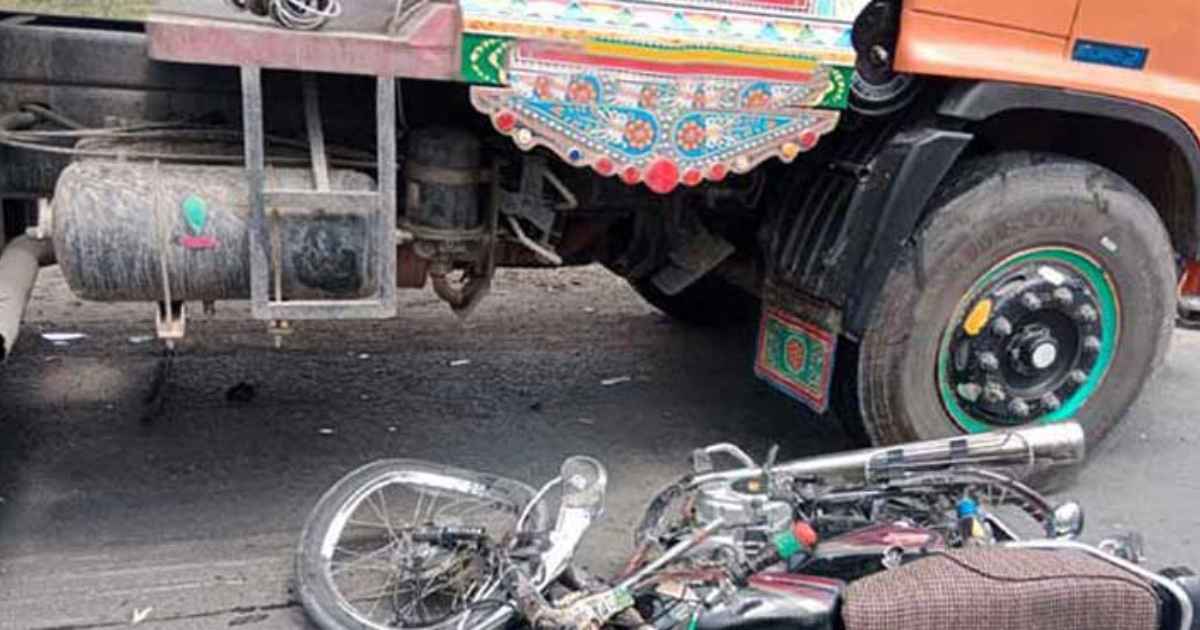
We have seen it too many times. Every week, news trickles in of another fatal accident: a motorcyclist crushed on Shahrah-e-Faisal, a family’s car flattened near Super Highway, and a pedestrian run down in Korangi.
Just recently, Mahnoor (22 years old) and her little brother, Ahmed Raza (14 years old), were coming home on August 10th when a dumper crushed them on Rashid Minhas Road. A father’s life was shattered in seconds.
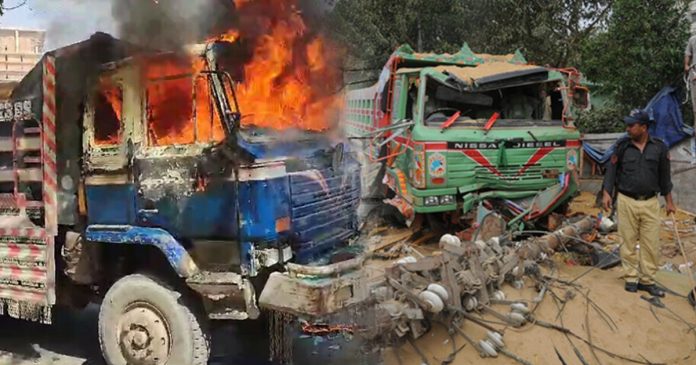
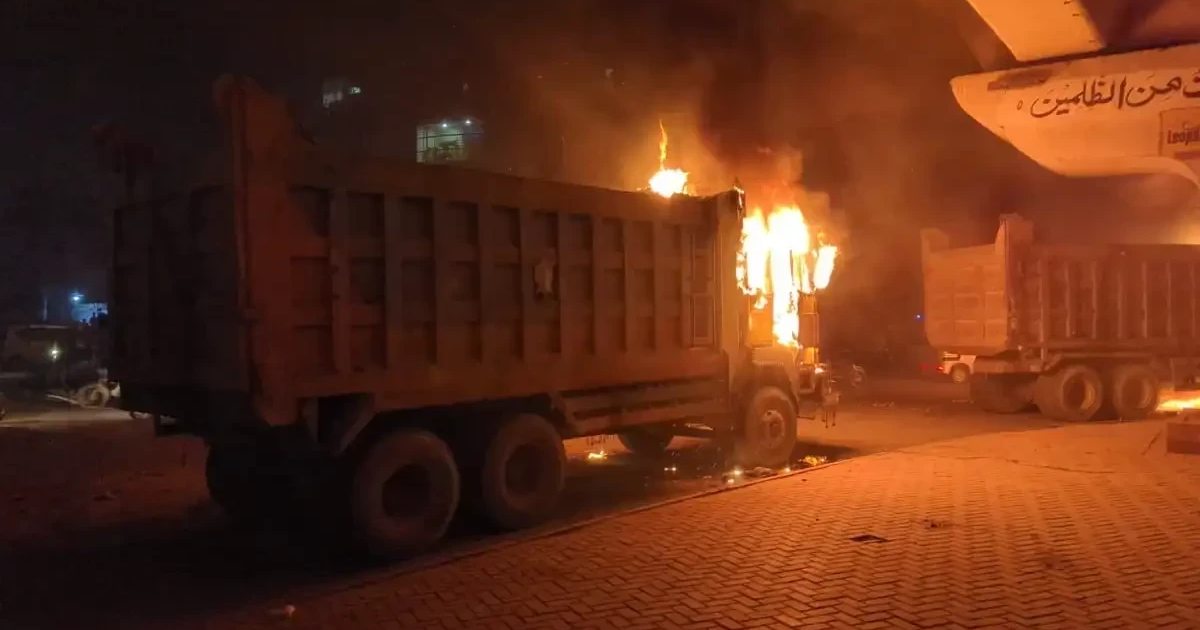
The city watched in horror and then torched trucks in protest and anger. Later on, this became a serial arson as the deaths didn’t stop, and the miscreants also weaponised it.
And these are just the names that make headlines. Every week, someone’s son, daughter, or father doesn’t make it home. In 2025 alone, 536 people were killed in traffic deaths, as reported by GEO News, and dumpers led that body count.
These are not accidents anymore but rather a policy failure.
The construction boom fueling Karachi’s urban sprawl has created a voracious demand for sand, gravel, and other materials, and dumpers are the lifeline of this industry.
Licensing loopholes and alleged under-the-table arrangements ensure that even the most unsafe vehicles stay on the road. Traffic police do their occasional “crackdowns,” but those last as long as the headlines do.
Karachi’s Water Crisis and Tanker Deaths
As if dumpers weren’t enough, Karachi faces another killer on the streets: the water tankers.
Due to the artificial water crisis, citizens are forced to buy their rightful share of water. What started as a “solution” to the water shortage has morphed into another death trap.
The Malir Halt tragedy said it all: an overworked driver who was running on almost 24 hours of continuous trips for a pathetic Rs400–500 commission per delivery lost control.
The tanker swerved into oncoming traffic and killed a young man and his pregnant wife on the spot. Their baby, who was delivered on the road, didn’t survive either.
This isn’t an isolated case. In just four months, at least 24 people have lost their lives in water-tanker-related accidents, according to reports by The Express Tribune.
The story is always the same: overworked, underpaid drivers rushing to meet trip quotas, while officials look the other way. A driver makes 5 to 7 trips daily (often in violation of basic labour laws), making exhaustion and deadly mistakes inevitable.
A Systematic Failure
The crisis also reflects deeper flaws in Karachi’s urban planning. Roads not designed for heavy industrial traffic are now flooded with dumpers, while pedestrian safety measures remain an afterthought.
On paper, dumpers aren’t even supposed to be on city roads during the day, and are only to leave after 11 pm. They’re supposed to have trackers and cameras. They’re supposed to meet fitness and licensing standards.
In reality? Half of these trucks don’t even have functioning brakes, let alone safety gear. And if you think there will be consequences, you’re dreaming. The other half are often intoxicated while driving or in a rush to do as many turns as possible. What is the cost of this? Innocent lives that had the misfortune of being on the same road as them.
The families of victims are offered “settlements” or just silence, while the killers get back on the road on easy bail.
What Can be Done?
As for water tankers, experts like Dr. Syed Nawaz Al-Hadi argue that better governance and an honest overhaul of the water supply system could end this “crisis” and save countless lives.
Most importantly, as stated by Raftaar’s founder, Farhan Mallick, it’s not enough to just fine these drivers; we need to test their intoxication levels and prosecute every single one responsible for this bloodbath. Only then will they understand that human life is not cheap, no matter how disposable they’ve made it seem.
And while we’re at it, let’s talk about the bigger picture: Karachi desperately needs a proper circular road system to reroute heavy traffic away from crowded city arteries. However, with the current state of University Road, that dream feels as distant as ever.
Until all this happens, Karachi’s streets will remain a dangerous place, and every citizen will live under the shadow of the next headline.
Stay tuned to Brandsynario for latest news and updates.

 Join a Channel
 Brandsynario
 Veryfilmi