

















A new-found trade battle is in the works across North America. Donald Trump has announced 50% tariffs on a range of Canadian imports. This is one of the sharpest escalations in US-Canada trade tensions in years. Businesses and consumers have been left in a murky state after the announcement.
Key Takeaways
- The 50% tariffs imposed by Donald Trump on Canada will take effect in 30 days.
- The tariffs will apply even to products covered under the USMCA.
- Canada has signalled it is ready for negotiations, while provincial leaders are urging retaliatory action.
Why Donald Trump Is Targeting Canadian Imports
The latest tariffs were announced through three presidential proclamations signed by Donald Trump, who accused Canada of unfairly treating American exports. The White House specifically singled out Canada’s policies on automobiles, dairy products, and alcoholic beverages as examples of “discriminatory treatment.”
US Trade Representative Jamieson Greer said the new duties are intended to offset Canada’s “retaliation and discrimination” against American goods. Unlike previous trade measures, these tariffs will also apply to products protected under the USMCA.
The White House confirmed the tariffs will take effect in 30 days. This means that both countries do not have enough time to resolve the dispute before the import costs take a toll on trade.
Which Canadian Products Will Be Hit?
The new measures will target a wide range of consumer and industrial products. Some of the items that are expected to face the 50% tariff are:
- Wine and other alcoholic beverages
- Hockey sticks and sporting goods
- Cement and construction materials
- Electrical equipment and machinery
On the other hand, energy products, potash, critical minerals, fish, and some goods already covered by sector-specific tariffs will remain unaffected.
Although analysts estimate only a small share of total US imports will be directly impacted, businesses warn the broader economic consequences could spread across supply chains in both countries.
Leaders Demanding Retaliation
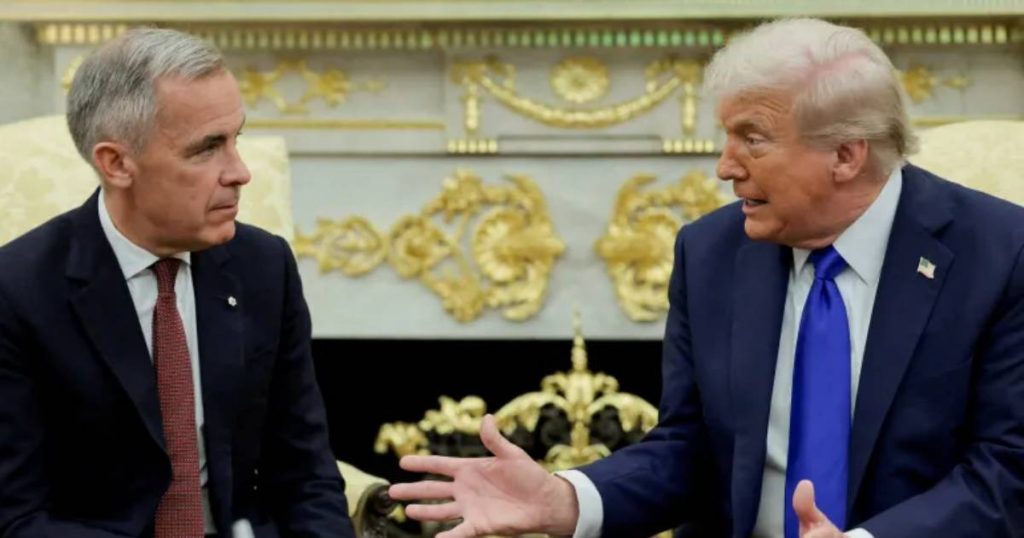
Canadian Prime Minister Mark Carney described the tariffs as a “direct violation” of the USMCA. However, he added that Ottawa remains committed to negotiations.
He said Canada is prepared to “intensify” discussions with Washington in the coming weeks to resolve the dispute while continuing to protect Canadian workers, businesses, and farmers.
Not everyone is calling for patience. Ontario Premier Doug Ford urged a tougher response, writing, “If these tariffs proceed, Canada should respond tariff for tariff, dollar for dollar.”
Quebec Premier Christine Fréchette also criticised the decision, calling the latest US action “unjustified and concerning.”
Could This Start Another Trade War?
Trade experts believe the latest decision could reshape economic relations across North America. Rather than relying on emergency powers the US Supreme Court previously rejected, Donald Trump invoked Section 338 of the Tariff Act of 1930, a legal provision no administration has ever tested in this way.
The decision has raised questions about the future of the USMCA. Economists warn that prolonged tariffs could:
- Increase costs for manufacturers
- Disrupt integrated supply chains
- Fuel further retaliatory measures from Canada.
With only 30 days before the tariffs take effect, negotiations need to be urgent. Whether the two allies reach a compromise or enter a prolonged trade conflict is yet to be seen.
FAQs
1. When do the new tariffs take effect?
The new tariffs take effect in 30 days.
2. What tariff rate has the US announced?
A 50% tariff on many Canadian goods has been announced by the US.
3. Is Canada planning to negotiate?
Canada is planning to negotiate while also considering possible countermeasures.
Stay tuned to Brandsynario for latest news and updates

 Join a Channel
 Brandsynario
 Veryfilmi