















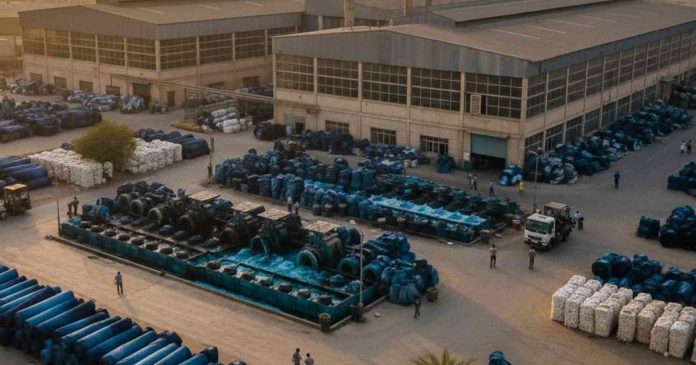

Before you read on, take a second and think about this.
When someone mentions premium denim, which place comes to mind first?
Italy? Japan? Turkey? Maybe France?
Now here’s the part most people do not see coming: there is a good chance the jeans you are wearing right now are made from denim produced in Pakistan.
Surprised? Most people are.
Even though Pakistan is one of the biggest producers and exporters of denim fabric and denim garments. It barely shows up in global conversations about high-quality denim. It is a key player that somehow stays out of the spotlight, almost invisible.
So, it leaves us with one obvious question: if Pakistan is such a denim powerhouse, why does it still not get the recognition it deserves?
Seamlessly Powerful
Here is a simple question:
How many metres of denim does Pakistan produce in a year?
A) 100 million
B) 400 million
C) Over 700 million
If you picked C, you are in the right range.
Pakistan’s denim sector operates at a scale most people never associate with the country. Its leading mills collectively produce hundreds of millions of metres of denim each year, and some single companies match or exceed the capacities of entire national industries elsewhere.
Think of the last pair of jeans you bought. Think of the brands: Levi’s, Zara, H&M, Pull & Bear, Mango, Bershka, Primark, American Eagle, Target, Guess, Gap.
Now ask yourself: where did that denim come from?
Chances are, they’re from Pakistan.
What makes this significant is that Pakistan is not simply contributing to the global denim supply; it is shaping it. And it has built this position through something very few countries can offer: a completely integrated denim ecosystem.
Cotton is grown locally.
It is spun into yarn.
Woven into fabric.
Dyed, finished, washed, and cut.
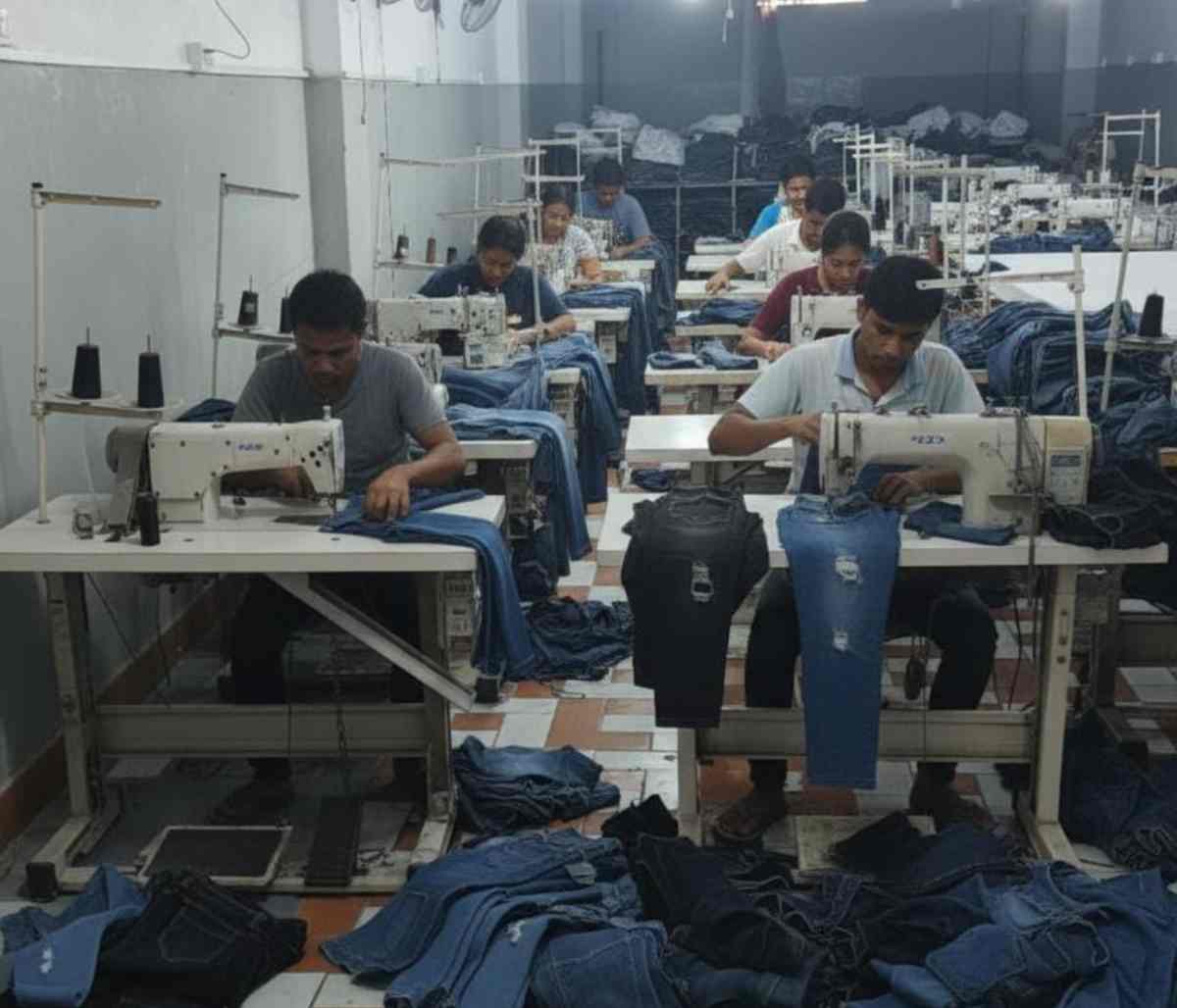
Then stitched into garments, all within the same industrial network.
This integration keeps production efficient, costs competitive, and quality consistent. More importantly, it allows the industry to move quickly and adapt to global fashion demands without relying on external supply chains.
Over the past decade, the country’s major denim manufacturers have invested heavily in technology—laser finishing, ozone and foam dyeing, sustainable washing systems, and high-precision machinery.
This has shifted Pakistan from being a high-volume producer to a country capable of supplying everything from everyday denim to the precise, fashion-driven fabrics demanded by top international brands.
The capacity is massive, the expertise is deep, and the technology is current. On paper, Pakistan checks every box for a world-leading denim industry.
And yet, outside industry circles, it remains largely invisible, a major global supplier that rarely gets acknowledged for the scale or sophistication behind its output.
The question is no longer whether Pakistan is a denim powerhouse.
It is why the world has not fully realised it yet.
Jean-ius Moves: How Pakistan Runs Global Denim
H&M, Zara, Levi’s, Bershka, Pull & Bear, Lee, Wrangler, American Eagle, Primark, Target, Gap and Guess source significant volumes of denim from Pakistan.
Every year, Pakistan exports millions of metres of denim fabric and millions of finished denim garments to these brands. Labels never state “Made with Pakistani denim,” not because the material lacks quality, but because Pakistan has never cultivated a consumer-facing denim identity the way Italy, Japan, the US or Turkey have.
A small tag reading “Premium Denim Milled in Pakistan” would alter public perception instantly, yet such acknowledgement rarely appears. Pakistan’s absence from the consumer narrative stems from the structure of its textile industry. The sector is built on business-to-business operations, where mills work directly with global buyers rather than with end consumers. As a result, the branding power remains within supply chains rather than reaching the public.
Countries like Italy and Japan have spent decades embedding their denim into fashion culture—through luxury finishing, selvedge craft traditions, heritage storytelling and visible marketing. Pakistan’s industry, despite its scale and capability, operates without this layer of visibility.
Narrative visibility remains another challenge. Pakistan rarely promotes its textile story on global platforms. No widely recognised national denim expo exists, no cohesive ‘Pakistan Denim’ identity unites the industry. And international media rarely highlight the country’s technological advancements or production strengths.
Geopolitical considerations further complicate recognition. Many brands avoid emphasising Pakistani sourcing to maintain simplified, neutral marketing narratives. Even when Pakistan produces fabrics of exceptional quality, its role is kept discreet within supply chains.
The result is a strong and influential denim industry that remains largely unacknowledged on the global consumer stage. Despite being deeply embedded in the products sold by some of the world’s most recognisable brands.
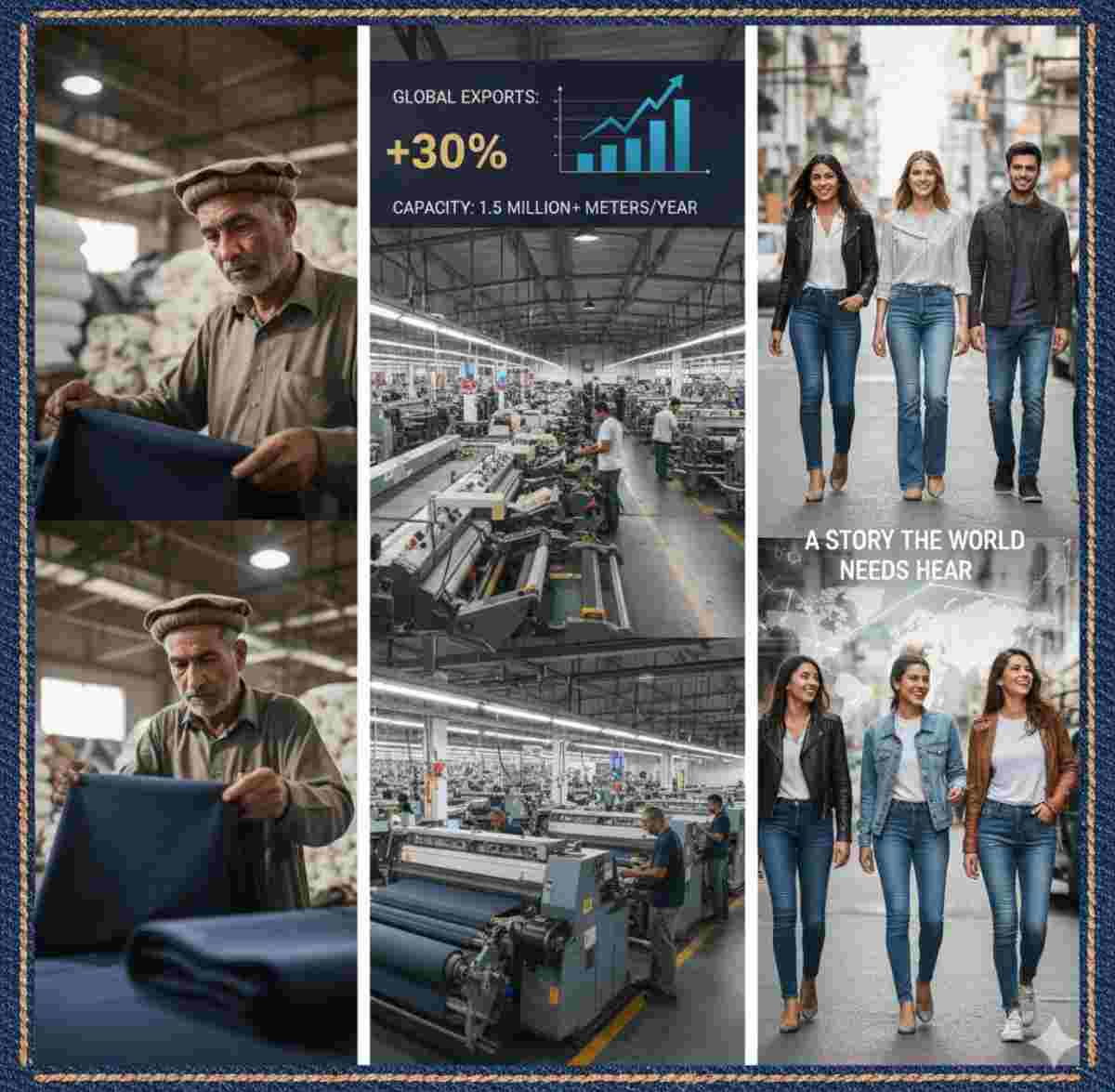
Thread Ahead: The Secret of Global Jeans
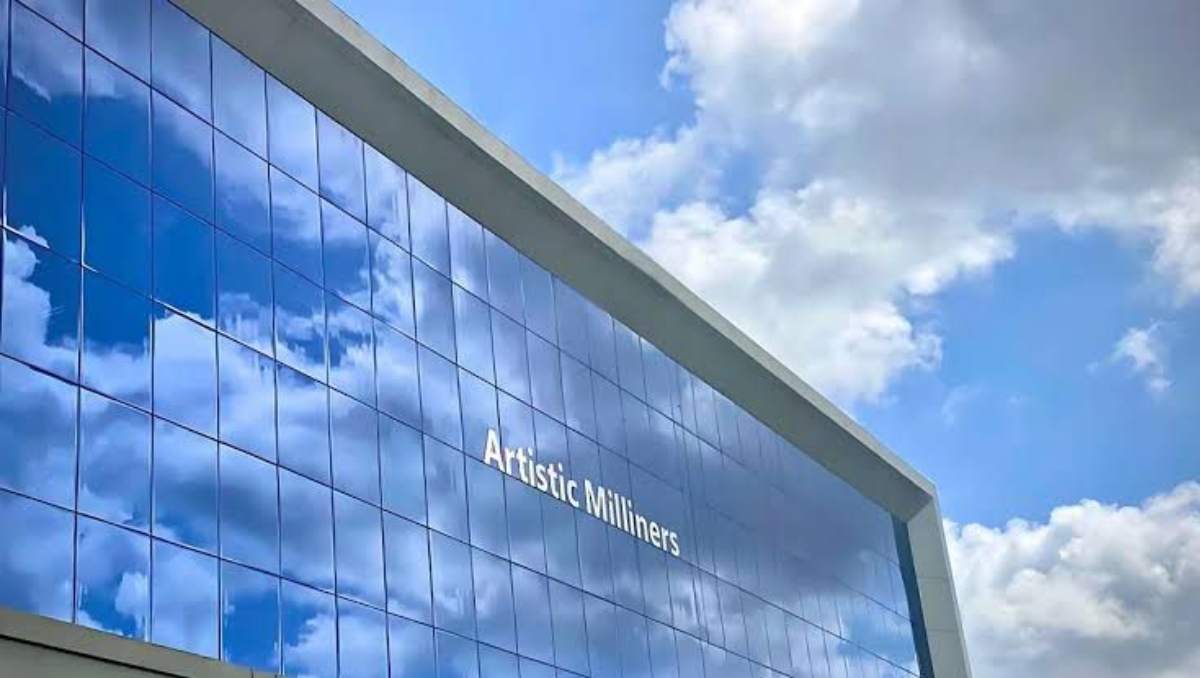
Artistic Milliners
No overview of Pakistan’s denim industry is complete without acknowledging Artistic Milliners, regarded as one of the world’s most advanced and sustainability-driven denim manufacturers. The company supplies premium fabrics and garments to leading brands across Europe, North America, and Asia, and has built its reputation on continuous investment in cutting-edge technology. Laser finishing, waterless washing, ozone systems, and renewable-energy-powered production lines place Artistic Milliners at the forefront of responsible, high-precision denim manufacturing on a global scale.
VisageCo.Apparel
VisageCo.Apparel represents the next wave of Pakistan’s expanding denim footprint. The company exports high-quality denim garments to major retailers, including American Eagle, Levi’s, Zara, and several Gulf-based brands.
Its product range from jeans, shirts, and jackets. Also reflect the strengths of Pakistan’s wider textile ecosystem: consistent access to quality raw materials, modern production technologies, and the efficiency of a vertically integrated supply chain.
Firms like VisageCo.Apparel show how Pakistan’s textile structure, which begins with cotton and ends with finished apparel, enables even mid-sized companies to meet international standards and build durable relationships with global buyers. Their emphasis on quality and long-term partnerships reflects the professional maturity that now underpins Pakistan’s contribution to the global denim supply chain.
Soorty Enterprises
Soorty Enterprises stands as another cornerstone of Pakistan’s denim leadership. A fully integrated textile group, it manages every stage of the denim value chain—from spinning yarn to weaving fabric to producing finished garments.
This structure ensures consistency, innovation, and traceability across its operations. Soorty’s investment in sustainability is among the strongest in the region, spanning water-saving technologies, laser finishing, renewable energy systems, chemical-free washing, and closed-loop production processes that significantly reduce environmental impact. Its scale and technical depth place it among the most influential denim manufacturers in Asia.
Still Unravelled: Pakistan’s Denim Story
Pakistan’s denim sector is vast, efficient, and rich with potential that remains under-acknowledged. The country produces hundreds of millions of metres of denim fabric each year. Enough for well over 500 million pairs of jeans, yet it does not enjoy the consumer-facing reputation associated with Italy or Japan.
A major advantage lies in its vertically integrated value chain. Local cotton is transformed into yarn, fabric, and fully stitched garments within one industrial ecosystem. Cutting costs and enabling tighter quality control. This integration also reduces lead times by up to 30–40 per cent compared to countries that depend on imported raw materials.
Pakistan consistently ranks among the top three denim exporters to the European Union. It also supplies a significant portion of the United States market. Its factories use advanced technologies such as laser finishing, ozone washing, and water-saving systems that cut consumption by up to 70 per cent.
Combined with a workforce that has decades of denim-specific expertise, Pakistan has built an industry that is not only competitive but world-class.
What the country lacks is not scale, skill, or innovation, those already exist. The missing piece is a consumer-facing identity that reflects the strength and sophistication of the denim that quietly travels from its mills to wardrobes around the world.
Stay tuned to Brandsynario for latest news and updates

 Join a Channel
 Brandsynario
 Veryfilmi