
















For years, the lead-acid battery was almost synonymous with backup power in Pakistan.
When the electricity went out, the UPS switched on, a few fans and lights stayed running, and households waited for the grid to return. For occasional outages, the system did what it was designed to do.
But Pakistan’s energy landscape is changing.
Rising electricity costs, frequent grid interruptions and rapid solar adoption are pushing homeowners to think beyond emergency backup. As Pakistan solar industry growth continues, more households are investing in complete energy systems that combine solar generation with battery storage.
That has created a more important question for consumers: should you stay with familiar lead-acid technology or move to modern lithium-ion solutions such as LiFePO₄, or Lithium Iron Phosphate?
The answer depends largely on how you intend to use your battery.
Lead-Acid: Familiar and Affordable Upfront
Lead-acid batteries remain widely used in Pakistan because they are familiar, readily available and generally less expensive to purchase initially.
For households that need basic grid outage backup solutions, a lead-acid battery can still serve a purpose. If the battery is used only occasionally to run a few essential appliances during an outage, the lower upfront cost may be appealing.
However, lead-acid technology also comes with trade-offs.
Depending on the type, these batteries can require more maintenance, take up more physical space and offer less usable capacity than modern lithium alternatives. Repeated deep charging and discharging can also shorten their effective service life.
That matters because the role of the home battery itself is changing.
Today, many homeowners do not want a battery that simply waits for the electricity to disappear. They want to charge it through solar during the day and use that stored energy later in the evening.
For that kind of regular use, battery chemistry becomes far more important.
Why LiFePO₄ Is Changing the Equation
The rising demand for lithium batteries in Pakistan is closely linked to the growth of solar and the desire for more reliable, long-term energy storage.
Within the lithium-ion category, LiFePO₄ batteries have become particularly relevant for residential energy storage. The chemistry is well suited to repeated charging and discharging and is known for its long cycle life, thermal stability and lower maintenance requirements.
For a solar-powered household, those qualities can make a meaningful difference.
Imagine a battery charging from rooftop solar throughout the afternoon and then supplying energy as household demand continues after sunset. The battery is no longer being saved for an emergency. It becomes part of everyday energy use.
That is where cycle life becomes especially important.
A battery designed to handle thousands of charging and discharging cycles may cost more initially, but its long-term value can be significantly different from a battery that needs replacement much earlier.
Upfront Price Is Only Part of the Cost
When comparing lead-acid and lithium batteries, focusing only on the initial purchase price can be misleading.
The cheapest battery on day one is not necessarily the cheapest battery over five or ten years.
Homeowners should consider how frequently the battery will be used, how much usable energy it provides, its expected cycle life, maintenance requirements, warranty coverage and compatibility with their solar system.
These factors are becoming increasingly important as the solar power storage market in Pakistan develops.
Consumers are no longer buying batteries solely to survive load shedding. Many want to use more of the electricity their solar panels already generate, reduce their dependence on the grid and manage household energy more intelligently.
For such users, lifecycle value matters more than simply choosing the lowest upfront price.
What Should You Look for in a LiFePO₄ Battery?
Not every lithium battery is the same.
Consumers should look beyond the word “lithium” on the product label and consider the chemistry being used, the quality of the cells inside the battery, its battery management system, expected cycle life, warranty and compatibility with the rest of their energy setup.
This is where solutions such as Nimbess Pro fit into the conversation.
The Nimbess lithium-ion battery range uses LiFePO₄ chemistry and incorporates Tier-1 cell technology, including BYD cells. Nimbess is positioning its energy storage products around long-term, everyday usage rather than occasional emergency backup.
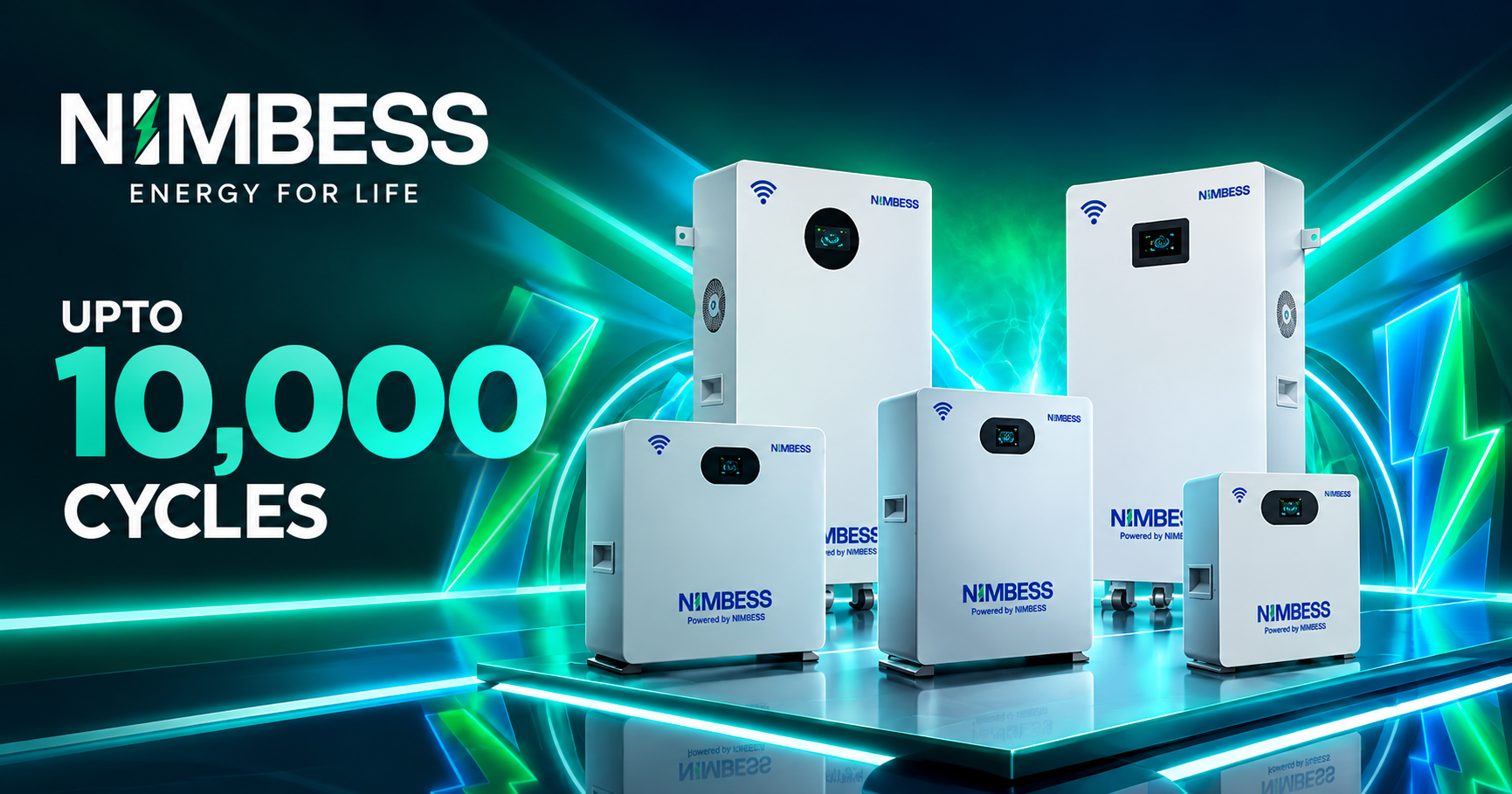
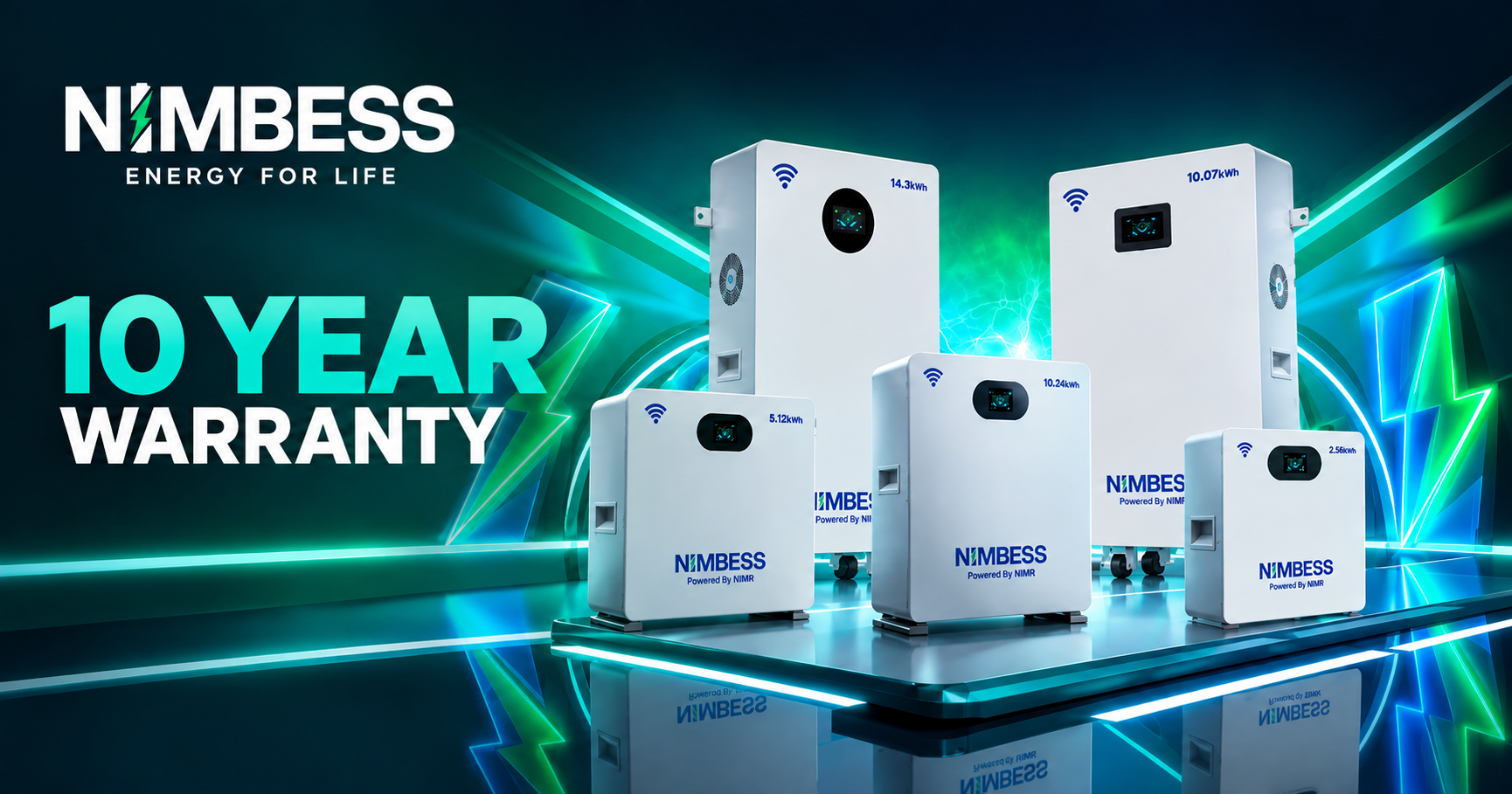
For Nimbess Pro, that proposition includes 10,000+ life cycles and a 10-year warranty, giving homeowners a clearer long-term perspective when evaluating their energy investment.
These specifications matter because a battery paired with solar may be charged and discharged regularly over many years.
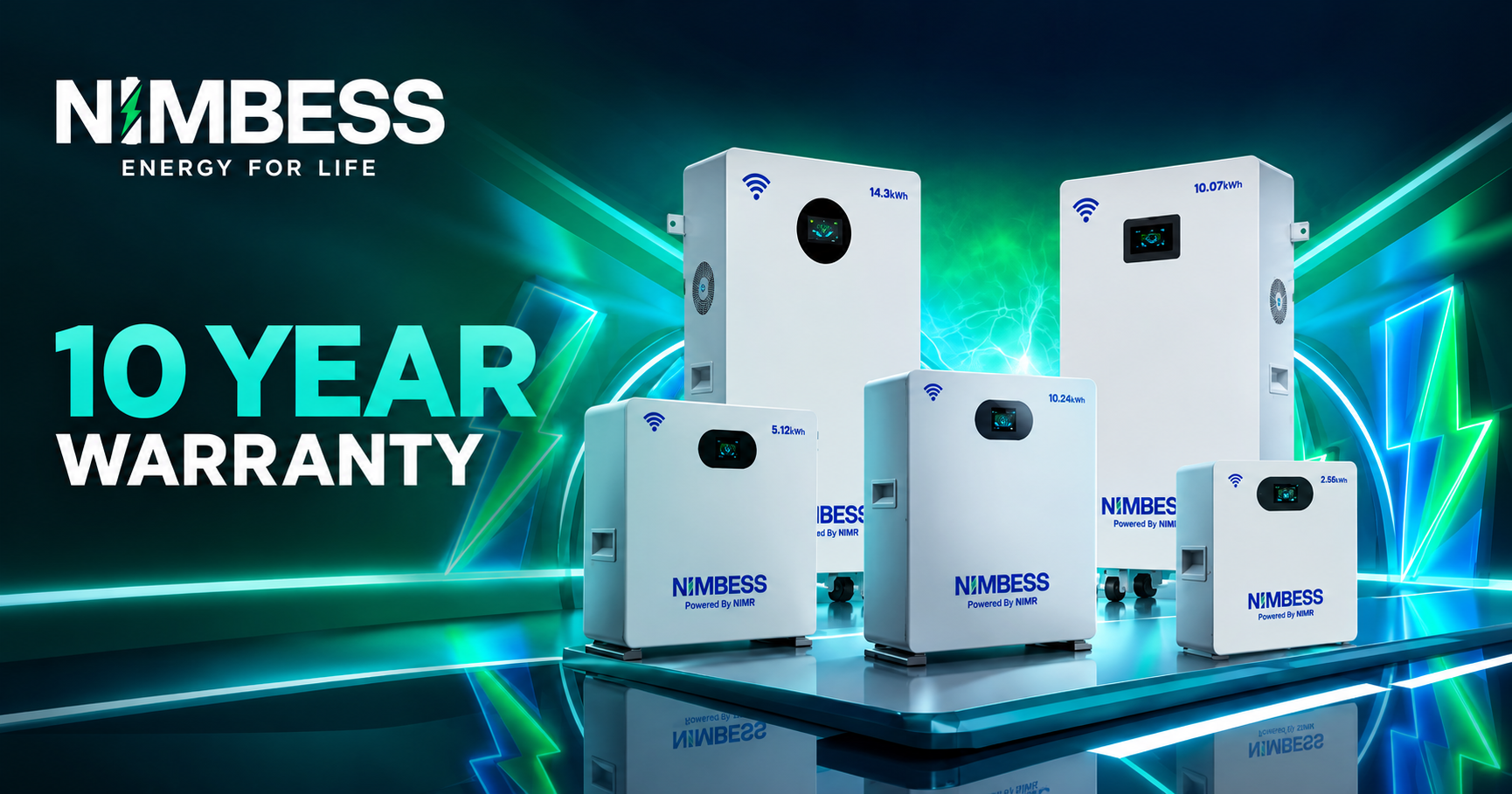
In that environment, durability is not simply a technical feature on a specification sheet. It directly affects how much useful life and value the homeowner can expect from the system.
Which Battery Makes More Sense for Your Home?
There is no single battery technology that suits every household.
Lead-acid may still make sense if your priority is keeping the initial cost as low as possible and the battery will only be used occasionally for limited backup.
LiFePO₄ becomes more compelling when the battery is expected to work regularly.
That includes homes with solar systems, households looking to store daytime generation for evening use, people working from home, families that rely on uninterrupted connectivity and consumers seeking a lower-maintenance energy solution.
It can also make greater sense for homeowners who are thinking beyond the next outage and considering the overall cost and performance of their system over several years.
This shift toward smart energy storage technology reflects a wider change in how Pakistani households think about electricity.
The conversation is gradually moving from backup power to energy management.
From Backup to Greater Energy Independence
Solar panels give a household the ability to generate electricity.
Battery storage gives that household greater control over when the electricity can be used.
Together, the two can support greater energy independence for households and businesses, particularly as consumers look for ways to manage rising energy costs and reduce their reliance on unpredictable grid supply.
That is also where the broader Nimbess Energy for Life philosophy becomes relevant.
The goal is not simply to keep a few lights and fans running until the electricity comes back. It is to create an energy system that can support everyday life with fewer interruptions.
For Pakistani consumers choosing between lead-acid and lithium today, the decision therefore comes down to more than battery chemistry.
It comes down to how they expect to use energy in the years ahead.
If backup is occasional and upfront cost is the overriding consideration, lead-acid still has a role.
But if the goal is regular solar storage, lower maintenance, long cycle life and an energy system designed to become part of everyday living, LiFePO₄ solutions such as Nimbess Pro increasingly make sense for the modern Pakistani home.
Stay tuned to Brandsynario for the Latest News and updates.

 Join a Channel
 Brandsynario
 Veryfilmi