

















Punjab was recently hit with the worst floods in recent memory, affecting millions in one of Pakistan’s most densely populated and economically productive regions.
Speaking on the recent flooding, Maryam Aurangzeb, a senior minister, said:
“This is the biggest flood in the history of the Punjab. The flood has affected two million people. It’s the first time that the three rivers, Sutlej, Chenab, and Ravi, have carried such high levels of water.”
Horrific images of helpless people being swept away, cities deluged in freshwater, and crops laid to ruin have come to light, but only time will tell the true scale of the damage.
By now, most people know that climate change is driving the recent floods in Punjab that could deluge Sindh too. However, global warming is not the sole culprit behind the destruction left in the wake of an unrelenting natural disaster.
Poor Urban Planning and a Severe Deficit of Dams
Pakistan’s contribution to global warming is minimal, yet our nation lies in one of the most vulnerable hotspots, which has suffered the brunt of climate change.
Rising temperatures have led to unpredictable weather patterns and precipitation systems. Monsoon rains were an annual tradition, but they have grown more ferocious and erratic in recent years.
We can brace for these storms and flash floods, but the monsoon winds are usually a step ahead. Furthermore, massive glaciers in the North have also melted intensely, feeding large volumes of water into Punjab’s river systems.
View this post on Instagram
Although the deleterious effects of climate change are partially beyond our control, there is no justification for poor urban planning and the shortage of dams.
What Needs to Be Done
First and foremost, robust and efficient drainage systems are needed to clear rainwater and prevent extensive waterlogging in flash floods. Karachi is a city notorious for this malaise. Where these fail in rainy seasons, incoming floods will wreak havoc.
Secondly, extensive deforestation in the mountainous terrain has intensified the number and severity of landslides and floods. Strict legislation targeting deforestation and large-scale afforestation programs must be put in place to protect trees.
Furthermore, residential areas should be built deeper into cities, far away from river banks. Several towns have been built extremely close to the River Ravi, and these could be swept away in an instant during intense flooding. As a case study, look no further than the damage wreaked in Park View Society.
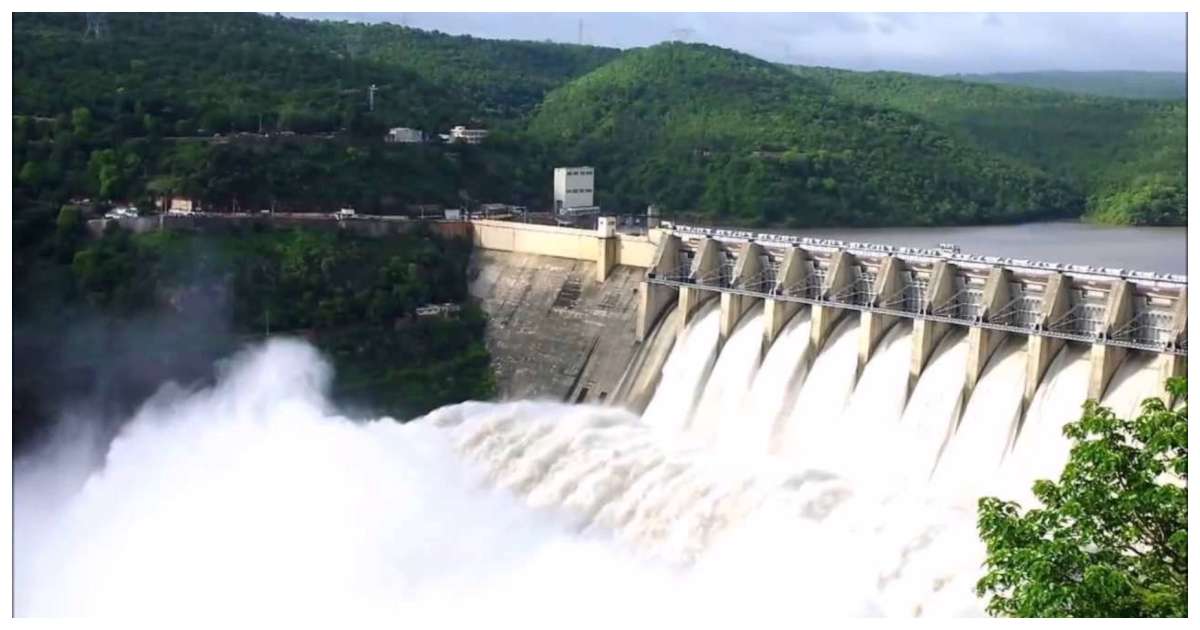
Lastly, Pakistan faces a severe dearth of dams on its major rivers. Mangla and Tarbela are two of the most important dams, but for a country that suffers from floods so regularly, more are needed to avert disaster.
India was able to hold off the water and prevent damage due to the sheer number of dams it had built. We should also work towards this cause, but building dams will be expensive and time-consuming.
More importantly, it is a pursuit that needs to be undertaken at a national level, for which political cooperation and discussion are paramount.
Climate change is driving our floods, but we are doing little to fight back. In fact, our carelessness and poor planning have only exacerbated its impact.
The road to recovery will be tough as the flood has wreaked irreparable damage. Nonetheless, an organised and dedicated effort should be undertaken to prevent such extensive damage in the coming years.
Stay tuned to Brandsynario for latest news and updates

 Join a Channel
 Brandsynario
 Veryfilmi