














When a conflict goes global, the whole world straightens up. With the rising confrontation between the United States and Iran, international politics has been in shambles. From energy markets to public opinion, there’s a lot to sift through.
Things started off as a military escalation and soon spiralled out into a geopolitical moment with global consequences. Governments, investors, and citizens are keeping a close eye on things as the situation could impact alliances and economic conditions for years.
Why Is the U.S.–Iran Conflict Such a Big Deal?
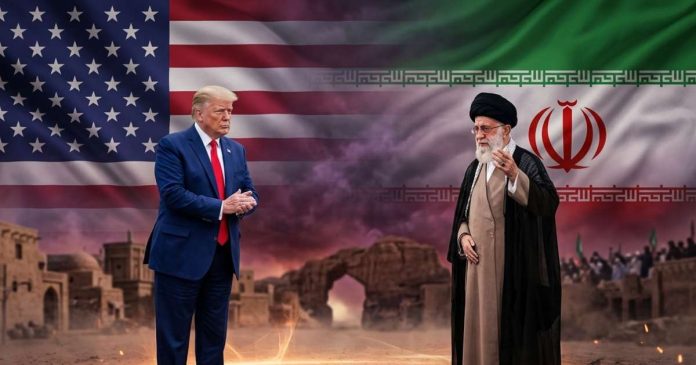
Things between the United States and Iran have been tense for decades. However, recent developments have aggravated the situation to devastating severity.
In the global energy supply, the role of the Middle East is invaluable. Therefore, any conflict that involves Iran immediately raises concerns for neighbouring states and major global powers. Additionally, most regional countries must carefully reevaluate their diplomatic positions. Nations such as Iraq, Qatar, and the United Arab Emirates must work to maintain strategic ties on both ends. With rising tensions, neutrality may be difficult to achieve.
How Could the Conflict Affect Global Oil Prices?
In times of geopolitical instability, energy markets are the first to react. The Strait of Hormuz, located near Iran, is one of the most important shipping routes for the global oil market.
The Strait of Hormuz is important because it is responsible for serving as a passage for one-fifth of the world’s oil supply. Even the possibility of this narrow passage being disrupted can result in staggering price surges.
Notable economic impact from recent tensions includes:
- Oil prices have surged due to supply fears
- Shipping insurance costs have increased significantly
- Airline routes across the Gulf have faced operational challenges
- Global stock markets have experienced sudden volatility
Consequently, governments have been busy reworking energy security strategies. Countries have been accelerating renewable energy investments to reduce dependence on vulnerable supply routes.
Can Military Action Change Iran’s Political System?
Many analysts question whether military pressure alone can reshape a country’s political structure.
Iran’s governance system involves multiple institutions, which makes it more resilient than often assumed. Even during intense pressure, leadership structures can reorganise and maintain control.
Political experts frequently highlight that removing leadership figures does not automatically dismantle a state’s institutions. In fact, external military pressure sometimes strengthens internal unity.
As a result, policymakers must consider both military outcomes and long-term political consequences.
What Are the Social and Global Impacts of the Conflict?
Global public sentiment has taken a hit since the conflict began.
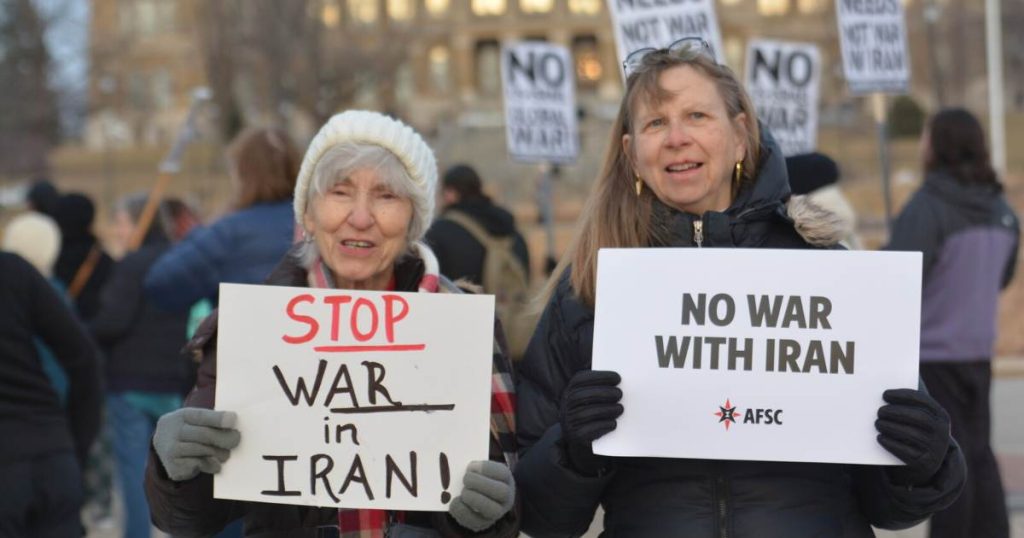
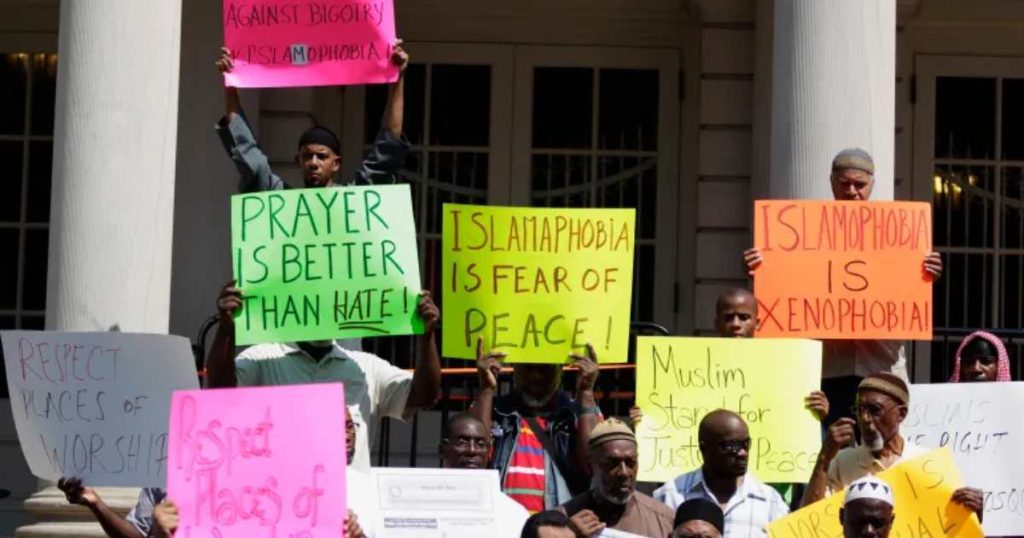
In the United States, public opinion remains divided. While many support military engagement to deter threats, some have raised concerns about the possibility of prolonged conflict. Meanwhile, social media discussions present a different angle. There has been a notable rise in Islamophobic rhetoric since the conflict began, and emotional reactions on both ends are at a high. For those in the Middle East, consequences have been more acute. Travel disruptions and airspace restrictions have left masses of travellers with no clear answers on how and when they will be able to resume daily operations.
What’s the Endgame of the U.S.-Iran War?
The future remains uncertain. Analysts and the general public have brought up several possible scenarios.
Potential outcomes include:
- Diplomatic negotiations to reduce tensions
- Continued military pressure through targeted operations
- Regional escalation involving neighbouring states
- A political compromise that allows both sides to claim success
Experts agree that a full-scale ground invasion is unlikely due to its massive political and military risks. Diplomatic engagement may come up as a realistic path forward. Regardless of the outcome, the conflict is a reminder of how political conflicts can reshape the global condition in an instant.
FAQs About the U.S. and Iran Conflict
Q. Why are the U.S. and Iran in conflict?
Ans. The tensions come after decades of political disagreements and sanctions. Many cite the 1979–81 hostage case, as well as human rights violations from Iran and their nuclear program.
Q. Why is the Strait of Hormuz important?
Ans. It is a critical shipping route as it is responsible for 20% of the global oil supply.
Q. Could the conflict affect global fuel prices?
Ans. Yes. Global oil prices have already seen a surge.
Q. Is a full-scale war likely?
Ans. Analysts believe that a large-scale ground war is unlikely, but tensions may be difficult to resolve.
Stay tuned to Brandsynario for latest news and updates

 Join a Channel
 Brandsynario
 Veryfilmi