
















What if the next day, your child leaves to study, to work, to build a business, to bring food, to live an everyday life, and never returns?
Key Takeaways
- Shamoon Abbasi questioned the lack of clear answers surrounding Mir Raza’s death.
- He rejected attempts to frame the public movement solely as an ethnic or political conflict.
- He described the demand as a broader fight for justice and public safety.
- He asked whether parents can expect justice if something happens to their children.
- Shamoon called for stronger accountability and lawful punishment for serious crimes.
- He said he does not want social media views. He wants results.
- He supported protesters by providing T-shirts through his company, Hatke.
- He also highlighted the challenges and lack of resources facing police officers.
- His overall message focused on justice, accountability and protecting future generations.
And such a question is something that actor Shamoon Abbasi wants you to ask yourself.
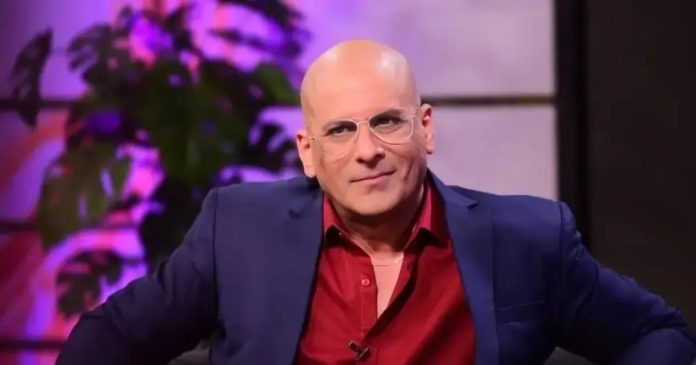
In a strong video, Shamoon Abbasi talks about the unresolved death of Mir Raza and the rising concern among the public about justice, child safety, crime, and the criminal justice system. Instead of making the problem about an ethnic or political group, he encouraged people to view it as a question of justice and public safety.
His message came with one central question: If something happens to my child tomorrow, will I get justice?
View this post on Instagram
Shamoon Abbasi Questions the Lack of Answers in Mir Raza Case
Shamoon Abbasi started with the time elapsed since Mir Raza’s death. “It’s been almost 32 days and we still have no clear answers in the case,” he said.
He referred to various statements made in relation to the case, including that of the doctor who carried out the original post-mortem. But he said the public still has no clear picture of the conflicting details.
“People can talk about the incident as bad luck, as something inauspicious or even as something planned,” Shamoon said. “But there is one uncomfortable reality. The case has not brought a clear result so far.”
That uncertainty, he suggested, fuels public frustration.
“This Is Not a Sindhi-Muhajir Issue”
One of the most powerful moments in Shamoon’s video was the street-level popular movement happening in Karachi.
He dismissed the idea that the protests were a Sindhi-Muhajir confrontation or a political campaign. Instead, he characterised the movement as a broader call for justice and security.
Shamoon stated that members of various communities, including Sindhis, Balochis, Pathans, Memons, and Urdu-speaking citizens, joined the protests.
His argument is simple: Parents from different backgrounds share the same fear.
They want to know if the system will protect their kids.
The Question Every Parent Wants Answered
Shamoon brought the conversation back to a normal family.
He asked viewers to imagine their son or daughter going out to do business, go to school, work in a shop or deliver food as a rider.
Then he asked the question that gives his video its emotional heft:
If that child dies tomorrow, does the family have an answer? Will they get justice?
That question transcends ethnic identity, political affiliation, or personal differences for Shamoon.
He urged viewers to set aside prejudice and focus on justice for Pakistanis.
Shamoon Abbasi Calls for a Stronger Justice System
Shamoon tied the public outrage to wider concerns about crimes against children.
He referred to statistics concerning reported rapes, abuse, and killings of children in Punjab during his talk. He also said the actual number could soar when unreported cases are taken into account.
He did not provide detailed sourcing for those figures in the video.
His larger concern was whether the justice system was a sufficient deterrent against further crimes.
Arresting and catching suspects does not necessarily reassure the public, Shamoon said. “People need to see the consequences of their actions and know that serious crimes will be punished seriously,” he said.
“I Don’t Want Views. I Want Results.”
But perhaps the most striking part of Shamoon’s message came when he explained why he continues to speak on the issue.
He said he doesn’t want views.
He is results-oriented.
Shamoon said he wants answers for families like Mir Raza’s father, Aizal’s parents, and other families who continue to wait for justice.
That statement takes his message out of social media attention and toward accountability.
He also recognised that speaking candidly could have consequences for him. He said that he may face criticism or even an FIR, but he still wants to continue to support the people demanding answers.
Why Shamoon Abbasi Started Supporting Protesters
Shamoon also described his reasons for joining the street movement.
He said he had been to some protests but couldn’t make it every day as he lived far away. Then he thought of a way he could show his support.
Backed by his company, Hatke, he decided to offer some protesters T-shirts.
Shamoon said he was unable to provide food, water, or other necessities to tens of thousands of people. But he could offer a T-shirt as a small gesture of unity.
The message behind that gesture was more important to him than the T-shirt itself:
I am with you.
Shamoon Abbasi Also Speaks About the Police
Interestingly, Shamoon did not confine his criticism solely to the police.
He also enquired about the working conditions of the police officers.
He spoke about issues such as a lack of resources, damaged vehicles and the wider pressures that impact police performance. He also asked if the wider system offers law enforcement enough support to properly investigate cases.
His point deepened the conversation.
“It’s not just about asking more of police officers to improve justice,” Shamoon said. It also means asking if the entire system provides them with the resources and support they need.
“Why Can’t We Punish Criminals at the Level They Deserve?”
Shamoon kept coming back to the question of punishment.
He argued that an effective and serious punishment can create fear among potential offenders. He believes serious crimes should be met with serious consequences as a deterrent.
But his argument is for deterrence, not revenge.
He said justice should not be merely a means to satisfy anger. Punishment should rather convey the message that the law will punish criminals and protect society.
That distinction matters because public anger can quickly spill over into calls for vigilantism. Shamoon himself encouraged viewers not to react with abuse or hatred.
His Message Was Not About Creating More Anger
Shamoon was clear that he doesn’t make these videos to incite people to rage.
He said that people don’t understand the depth of grief and anger until tragedy strikes their families. He also admitted that people’s frustration can cause them to overreact.
But he urged viewers to address the issue without turning to hatred of a particular community or institution.
The main demand was justice from the system.
A Painful Question That Goes Beyond One Family
Shamoon Abbasi’s video is about something larger than Mir Raza’s case.
It asks whether ordinary Pakistani families can trust the system when tragedy strikes.
A child ought to be able to go to school without fear. A young person should be able to work and not be a number. Parents should not have to wonder if fighting for justice is just another exhausting fight.
Shamoon closed his message with prayers for the protesting people, the younger generation and the police in Karachi. He also hoped that authorities could investigate these cases and bring justice to the families involved.
He said it was still very personal to him and that his heart would continue to ache until those cases were solved.
FAQs
What did Shamoon Abbasi say about Mir Raza’s case?
Shamoon Abbasi said almost 32 days had passed since Mir Raza’s death, yet the case still lacked clear answers. He referred to different statements, including the first post-mortem doctor’s statement, and questioned why the matter remained unresolved.
What question did Shamoon Abbasi raise about justice?
He asked whether parents would receive an answer and justice if their child died tomorrow while studying, working, running a business or doing an ordinary job.
Did Shamoon Abbasi describe the protests as political?
No. Shamoon specifically argued that people should not reduce the movement to a political or ethnic conflict. He described it as a demand for justice and safety shared by people from different communities.
Why did Shamoon Abbasi give T-shirts to protesters?
Shamoon said he could not attend every protest because he lives far away. He therefore decided to support protesters by giving some of them T-shirts through his company, Hatke, as a gesture of solidarity.
What did Shamoon Abbasi say about the police?
He acknowledged the difficulties police officers face and questioned whether they receive enough resources and institutional support to perform their duties effectively.
What does Shamoon Abbasi want from the justice system?
His central demand involves clear results, accountability and justice for families affected by serious crimes. He repeatedly stressed that he does not want views or online attention. He wants cases to reach meaningful conclusions.
What was the main message of Shamoon Abbasi’s video?
The central message was that justice should not depend on ethnicity, politics or social status. Shamoon urged people to focus on protecting citizens and ensuring that families receive answers when they lose loved ones.

 Join a Channel
 Brandsynario
 Veryfilmi