













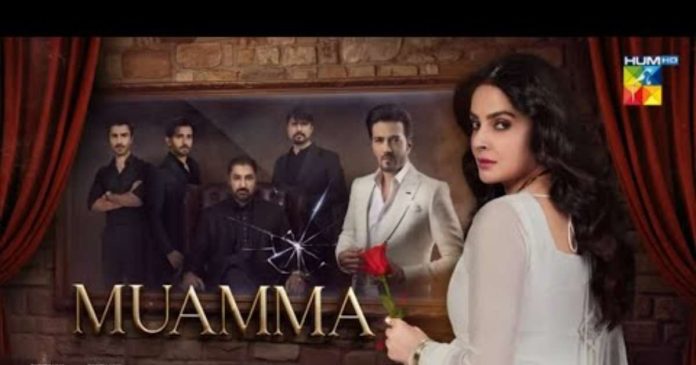

Pakistani television dramas have always held a powerful place in our homes. They shape conversations, influence thinking, and often become family-time viewing. However, when a drama crosses certain unspoken lines, it naturally invites criticism. Drama Muamma is currently facing exactly that situation. The drama has come under intense public scrutiny after a controversial clip went viral, triggering serious debate about morality, representation, and responsibility on national television.
Recently, social media creator RJ Umar Tahir shared his strong opinion on Muamma, and his words struck a chord with thousands. The clip in question, which features Saba Qamar’s character, left many viewers uncomfortable. In fact, many people admitted that they felt embarrassed just watching it circulate online. When such content reaches millions, the impact becomes far bigger than mere fiction.
At the heart of the criticism lies one pressing question that refuses to go away: is the drama trying to portray men as immoral, or is it deliberately degrading women? This confusion is exactly what has angered viewers and critics alike. Instead of delivering a meaningful narrative, the drama appears to blur ethical boundaries in a way that feels forced, unnecessary, and deeply troubling.
When Storytelling Turns Uncomfortable on National Television
To understand why Muamma has sparked outrage, we must look at what is being shown and, more importantly, where it is being shown. National television is accessible to everyone. Children, teenagers, parents, and elders all share the same screen. Therefore, content aired on such platforms carries a greater responsibility.
In the viral scene, a female character is shown fulfilling her desires by providing a rented house to a married man. The man repeatedly enters her room, despite being married. This portrayal raises disturbing questions. Are we meant to sympathize with the woman? Are we expected to normalize the man’s behavior? Or is the drama simply exploiting shock value to gain attention?
RJ Umar Tahir highlighted this confusion perfectly. According to him, the clip feels behooda, not because it discusses mature themes, but because it presents them without depth, context, or moral clarity. Moreover, when such scenes go viral, they stop being part of a story and instead become standalone visuals that invite discomfort and shame.
View this post on Instagram
Furthermore, the styling and outfits shown in the drama have also faced backlash. Many viewers believe that the wardrobe choices cross into unnecessary vulgarity. While actors are free to live their personal lives as they choose, national television is not a private platform. When such bold visuals are normalized and even turned into trends, the audience is left wondering whether boundaries still exist.
What makes this situation worse is the fact that there are countless meaningful topics Pakistani dramas can explore. Society is full of stories about mental health, class struggles, broken systems, and real human emotions. Yet, instead of diving into these powerful subjects, some dramas choose controversy for quick attention. As a result, viewers feel disconnected and disappointed.
Audience Anger, Moral Confusion, and the Bigger Debate
The backlash against Muamma is not limited to one clip or one opinion. Instead, it reflects a growing frustration among viewers who feel alienated by current drama trends. Many people openly say that they can no longer watch dramas with their parents. This statement alone speaks volumes about where television content is heading.
The biggest issue here is not bold storytelling. Pakistani audiences have matured and can handle complex narratives. The problem arises when boldness lacks purpose. In Muamma’s case, viewers struggle to understand what message the drama wants to convey. Is it condemning immoral behavior, or is it unintentionally glamorizing it? This lack of clarity damages the impact of the story.
Additionally, the portrayal of women in such narratives raises serious concerns. When a female character is shown using unethical means to satisfy her desires, without accountability or consequence, it reinforces harmful stereotypes. At the same time, portraying a married man who repeatedly crosses boundaries without clear condemnation creates further confusion. Consequently, both genders end up looking compromised rather than complex.
Social media reactions show that many viewers feel insulted rather than entertained. They believe that such scenes reduce storytelling to cheap sensationalism. While trends may bring temporary popularity, they often come at the cost of trust. Once audiences lose trust, it becomes difficult to win them back.
Moreover, when creators defend such content by calling it “realistic,” the argument falls flat. Reality does not mean displaying everything without restraint. Responsible storytelling means presenting reality with sensitivity, depth, and moral awareness. Otherwise, the line between realism and exploitation disappears.
In our opinion, Muamma represents a larger problem within the drama industry. There is a growing obsession with shock value. Instead of earning attention through strong writing and meaningful performances, some dramas rely on controversy to stay relevant. This approach may trend online, but it damages the long-term credibility of Pakistani television.
As the debate continues, one thing remains clear. Pakistani viewers are more vocal than ever. They are questioning narratives, calling out problematic portrayals, and demanding better content. Whether the makers of Muamma choose to listen or not will decide how this drama is remembered.
In the end, the question raised by RJ Umar Tahir still stands strong: “Aap mard ko ganda sabit karna chah rahe hain ya aurat ko?” Until dramas provide clear, responsible answers, this debate will not fade away.
Stay tuned to Brandsynario for latest news and updates

 Join a Channel
 Brandsynario
 Veryfilmi