














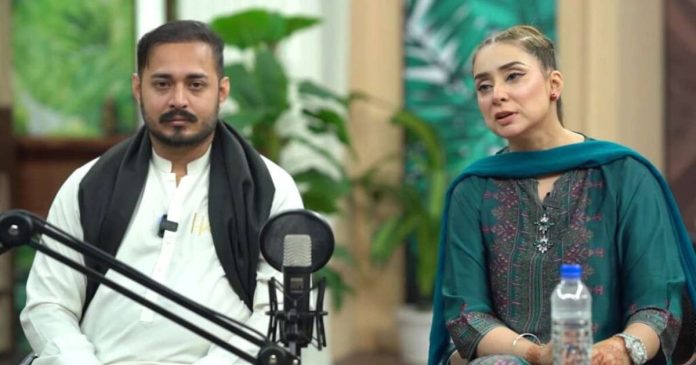

The unfolding controversy involving Dr Nabiha Ali Khan has gripped audiences nationwide. We have observed how her initial allegations of mental torture against her in-laws ignited widespread concern and sympathy. She portrayed a household environment filled with emotional distress, sparking intense discussion about marital conflict and domestic boundaries.
However, the narrative shifted dramatically when her father-in-law stepped forward on Neo News to deliver a detailed rebuttal. We witnessed a confident and composed appearance in which he denied each accusation directly. He described the claims as exaggerated and misleading, insisting that the public deserves clarity.
He stated that three household maids manage domestic duties regularly, contradicting the portrayal of Nabiha being overburdened. According to him, the household structure does not reflect oppression or unfair labour distribution. We note that this assertion challenges one of the central pillars of Nabiha’s account.
Financial dependency also became a focal point. He firmly rejected suggestions that he relies on his son Haris or on Nabiha for monetary support. He declared that he maintains financial independence and dignity, removing what he views as another false implication from the debate.
Control, Suspicion, and the Divorce Narrative
The controversy intensified when he described tensions between Nabiha and Haris as rooted in suspicion and control. We observed that he accused her of encouraging divorce rather than reconciliation. His remarks implied that marital strain stems from internal mistrust rather than external interference.
He made a striking comment by referring to her as “Maula Jatt,” suggesting strong and confrontational behaviour. While the phrase stirred social media reactions, it also revealed the depth of frustration on his side. He claimed that Haris has distanced himself from his professional commitments, alleging that he no longer attends his organisation consistently and spends most of his time at home.
The father-in-law further alleged that Nabiha discourages Haris from meeting male friends alone and insists on accompanying him. We recognise that such claims introduce serious questions about autonomy within the relationship. He rejected accusations that the family imposed restrictive household rules, including claims about locking doors or enforcing unreasonable demands. He described the family as educated and civilised, dismissing the allegations as baseless.
This escalating public dispute now presents two sharply contrasting narratives. On one side, we see allegations of emotional suffering and mistreatment. On the other hand, we hear assertions of manipulation and suspicion. Both sides frame themselves as victims of misunderstanding and misrepresentation.
The impact of this controversy extends beyond personal grievances. We observe how quickly private disputes transform into national discussions when broadcast publicly. Public opinion remains divided, with some supporting Nabiha’s claims while others question inconsistencies highlighted by her father-in-law.
As this situation evolves, clarity remains elusive. What stands evident is the depth of marital discord and fractured trust. The competing accounts reveal a relationship strained by suspicion, perception, and communication breakdown.
The unfolding drama continues to dominate headlines because it touches on themes that resonate deeply: family honour, personal freedom, emotional boundaries, and public accountability. We see a story still in motion, layered with conflicting statements and unresolved tension.
The truth may lie somewhere between the narratives, but for now, the controversy surrounding Dr Nabiha Ali Khan continues to command attention. The public watches closely, aware that further revelations may reshape the conversation once again.
Stay tuned to Brandsynario for latest news and updates

 Join a Channel
 Brandsynario
 Veryfilmi