












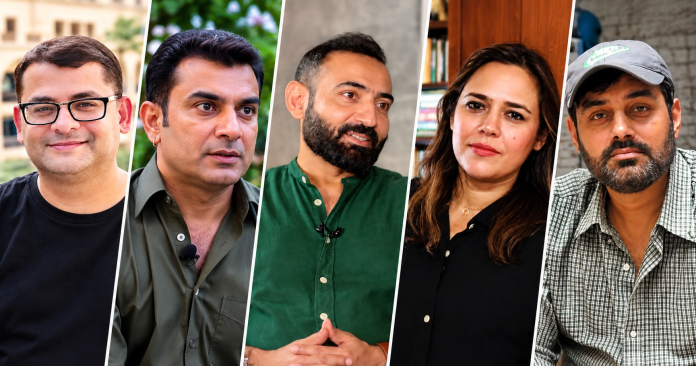

When we discuss a Pakistani drama, the conversation usually starts with the actors, writer or story. Yet behind every memorable scene is a director deciding how that story should look, sound and feel on screen. Pakistan’s television industry has produced a remarkable group of directors who have worked across romance, family drama, social issues, comedy, period stories and darker narratives. Their approaches may differ, but their work has helped shape the visual and emotional language of modern Pakistani television.
Key Takeaways
- Sarmad Khoosat directed major television successes including Humsafar, Shehr-e-Zaat and Pani Jaisa Piyar.
- Nadeem Baig directed Pyarey Afzal before moving into successful commercial films such as Jawani Phir Nahi Ani.
- Mehreen Jabbar is known for character-driven projects including Daam, Jackson Heights and Dr Bahu.
- Syed Wajahat Hussain has worked across romance, family drama and darker stories, including Do Bol, Khuda Aur Mohabbat 3 and Khaie.
- Danish Nawaz has become strongly associated with Pakistani romantic comedies through projects such as Chupke Chupke and Hum Tum.
- Haseeb Hassan has directed Diyar-e-Dil, Mann Mayal, Alif and other major projects.
- Haissam Hussain is known for productions including Dastaan, Durr-e-Shehwar and Aunn Zara.
- Their careers show the range of Pakistani television, from romantic comedies and family dramas to historical stories and revenge sagas.
The best work of Pakistan’s top drama directors demonstrates just how much direction can influence a serial. A strong script can establish the characters, but direction determines how audiences experience them. A pause before a line, the framing of a confrontation, the choice of location, the rhythm of editing and even the way silence is used can change the impact of a scene.
Some directors have become closely associated with romantic dramas, while others have developed reputations for period pieces, socially grounded stories or mainstream entertainment. Sarmad Khoosat, for example, directed Humsafar, Shehr-e-Zaat and Pani Jaisa Piyar, while Nadeem Baig successfully moved between television and commercial cinema.
The diversity of these careers matters because Pakistani television doesn’t follow a single formula. Viewers can move from a light Ramadan rom-com to a revenge saga, a historical drama or an emotionally intense family story, often within the same week. Directors such as Mehreen Jabbar, Syed Wajahat Hussain, Danish Nawaz, Haseeb Hassan and Haissam Hussain have each contributed to that range.
Sarmad Khoosat: Creating Television That Stays With Us
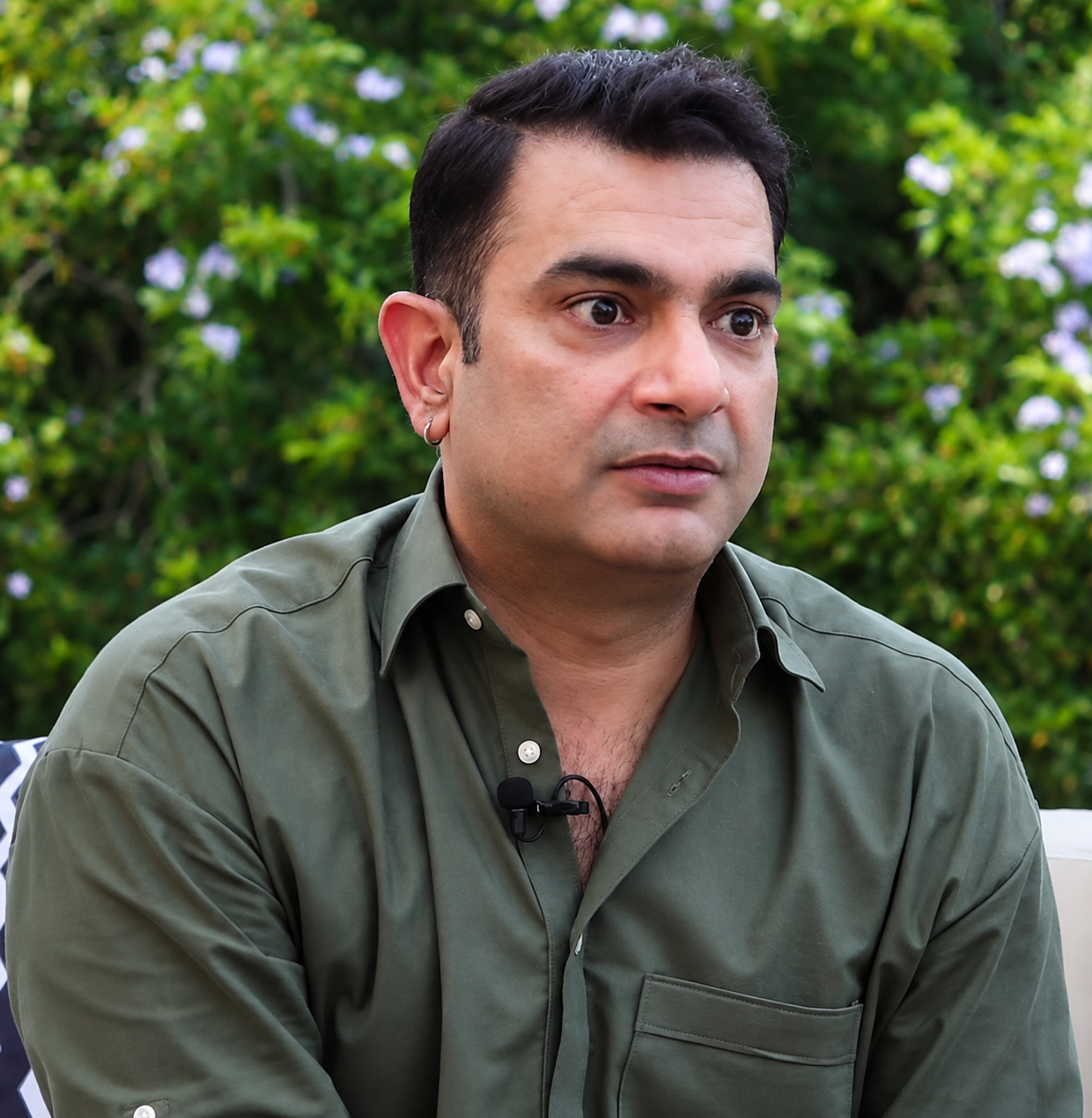
Sarmad Khoosat is one of the most recognisable names in Pakistani television direction. His career has spanned television, film and performance, but his dramas remain a major part of his creative legacy. His 2011 drama Pani Jaisa Piyar brought him significant recognition and won him a Lux Style Award for Best Director. He subsequently directed Humsafar, a serial that became a major television success and helped establish the pairing of Fawad Khan and Mahira Khan as one of the most recognisable pairings on Pakistani television.
Humsafar and Shehr-e-Zaat
Humsafar remains one of the clearest examples of how direction can elevate a romance into a cultural phenomenon. The 2011 serial starred Fawad Khan, Mahira Khan and Naveen Waqar, with Farhat Ishtiaq adapting her own novel for television. The drama became one of Hum TV’s biggest successes of its period and received widespread recognition in Pakistan and beyond.
Khoosat’s direction helped the story balance romance, family tension and emotional conflict without making the central relationship feel disconnected from its surroundings. His work on Shehr-e-Zaat further demonstrated his interest in stories that combine personal relationships with questions of identity and spirituality. Rather than relying solely on dramatic twists, these productions created an atmosphere around their characters.
Pani Jaisa Piyar and His Distinctive Style
Before Humsafar, Pani Jaisa Piyar had already established Khoosat as a director capable of handling emotionally layered television. The drama starred Saba Qamar, Juggan Kazim, Mikaal Zulfiqar, Samina Peerzada and Ahsan Khan and aired on Hum TV in 2011.
What makes Khoosat’s body of work interesting is the variety within it. He has never been restricted to one commercial template. His work often gives performances room to breathe, allowing actors to communicate through expressions and pauses rather than turning every emotional beat into an exaggerated confrontation.
Nadeem Baig: From Television Hits to Blockbuster Cinema
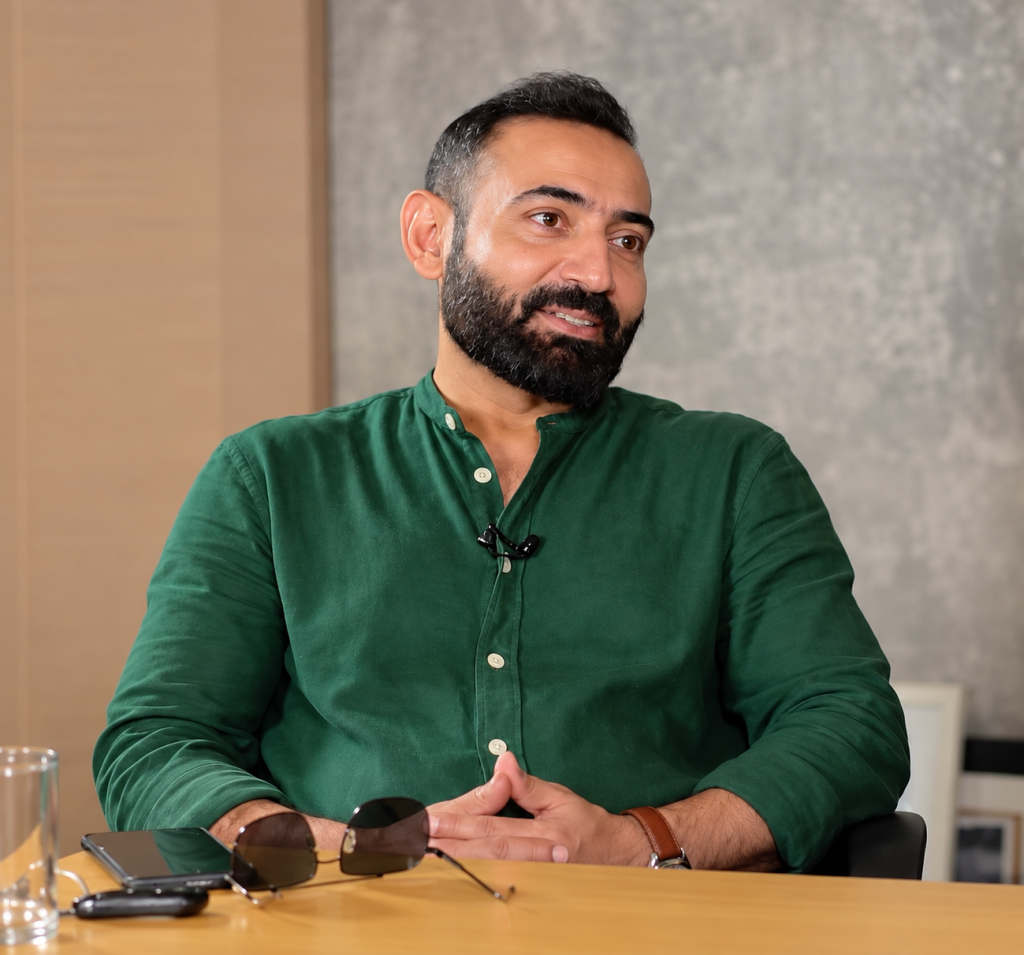
Nadeem Baig has built a career that crosses television and film, making him one of the industry’s notable mainstream directors. He directed television serials including Pyarey Afzal before moving into films such as Jawani Phir Nahi Ani and its sequel. His work demonstrates how a director can move between intimate television storytelling and large-scale commercial entertainment.
Pyarey Afzal
Pyarey Afzal remains one of Baig’s most recognised television projects. The 2013 serial starred Hamza Ali Abbasi, Ayeza Khan and Sana Javed, with Khalil-ur-Rehman Qamar as writer. Baig received the Best Television Director award at the Lux Style Awards for the drama.
The drama worked because its emotional world remained central even when the story became increasingly dramatic. Baig’s direction allowed the performances and dialogue to drive the narrative, while the production maintained the pace expected from a mainstream serial.
Jawani Phir Nahi Ani
Baig later made the jump to cinema with Jawani Phir Nahi Ani, a 2015 romantic comedy written by Vasay Chaudhry. The film became a major box-office success and established Baig as an important commercial filmmaker beyond television.
His later filmography demonstrated that the transition was not a one-off experiment. Jawani Phir Nahi Ani 2 also carried his direction, reinforcing his association with large-scale commercial Pakistani cinema.
Mehreen Jabbar: Realism With Emotional Depth
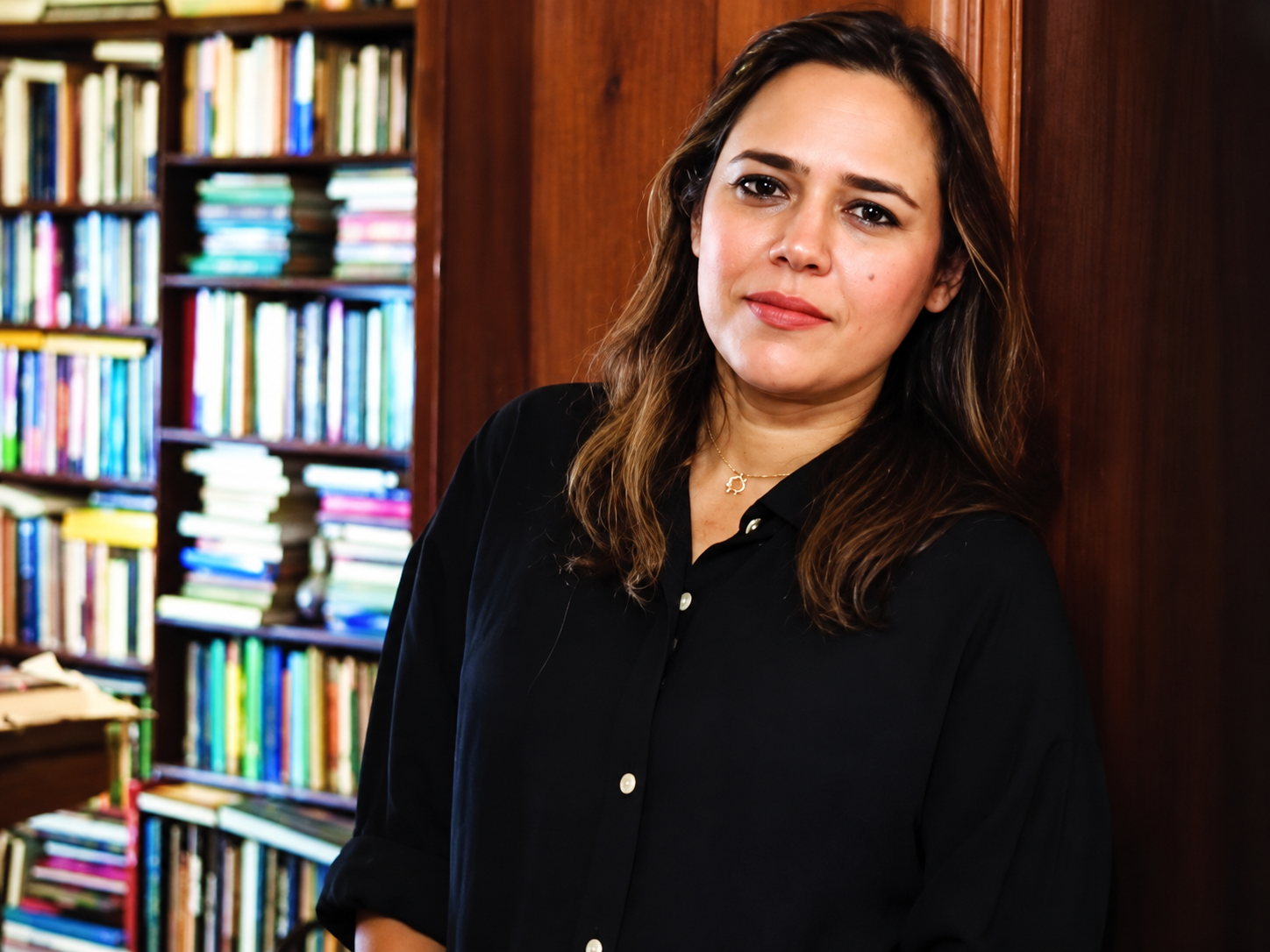
Mehreen Jabbar occupies a distinctive position among Pakistani directors. Her work has frequently focused on characters, relationships and social realities rather than depending solely on conventional television melodrama. Her television filmography includes projects such as Daam, Malaal, Jackson Heights, Mera Naam Yousuf Hai, Jurm and Nadaan.
Her work has also extended into cinema, including Ramchand Pakistani and Dobara Phir Se. This movement between television, film and digital storytelling has allowed her to develop a visual language that feels grounded and character-focused.
From Daam to Jackson Heights
Projects such as Daam and Jackson Heights demonstrate Jabbar’s interest in relationships shaped by social circumstances. Her characters often feel like people dealing with ordinary contradictions rather than simply heroes and villains.
That quality has made her work particularly relevant to audiences looking for stories with emotional realism. The drama comes from the characters themselves, from their choices and the consequences those choices create.
Dr Bahu and Her Return to Long-Form Television
In 2026, Jabbar returned to long-form television with Dr Bahu, starring Kubra Khan, Shuja Asad, Adeel Hussain, Saba Hamid, Shahzad Nawaz and Hajra Yamin. The series premiered on ARY Digital on 27 March 2026.
A June 2026 Dawn interview with Jabbar discussed the project and her return to long-form television after a period working on miniseries including Nadaan and Jurm.
Her return is significant because it shows how experienced directors continue to evolve with the television landscape rather than remaining tied to one particular era or format.
Syed Wajahat Hussain: Romance, Drama and Dark Storytelling
Syed Wajahat Hussain has directed some of the most recognisable Pakistani television dramas of the last several years. His credits include Do Bol, Khuda Aur Mohabbat 3 and Khaie, projects that demonstrate very different sides of his directorial range.
Do Bol and Khuda Aur Mohabbat 3
Do Bol gave audiences a romantic family drama led by Hira Salman and Affan Waheed. Hussain’s direction kept the emotional relationship at the centre of the story while allowing the surrounding family conflicts to build naturally.
He later directed the third season of Khuda Aur Mohabbat, starring Feroze Khan and Iqra Aziz. The drama was produced by Abdullah Kadwani and Asad Qureshi and became one of the major television projects associated with that period.
Khaie
Khaie showed a very different side of Hussain’s work. The 2024 revenge drama starred Faysal Qureshi, Dur-e-Fishan Saleem, Shuja Asad and Osama Tahir, among others. Its story was built around revenge and an inherited tradition of violence, creating a darker world than Hussain’s earlier romantic dramas.
The contrast between Do Bol and Khaie is useful when considering his career. One focuses heavily on romance and family relationships, while the other uses a harsher dramatic atmosphere. The ability to work across such different genres is one reason Hussain remains an important name in Pakistani television direction.
Danish Nawaz: The Director Behind Modern Pakistani Rom-Coms
Danish Nawaz has developed a particularly recognisable identity through light-hearted television. His work includes Chupke Chupke, Hum Tum, Khaas, Dobara and Kaala Doriya.
Chupke Chupke and Hum Tum
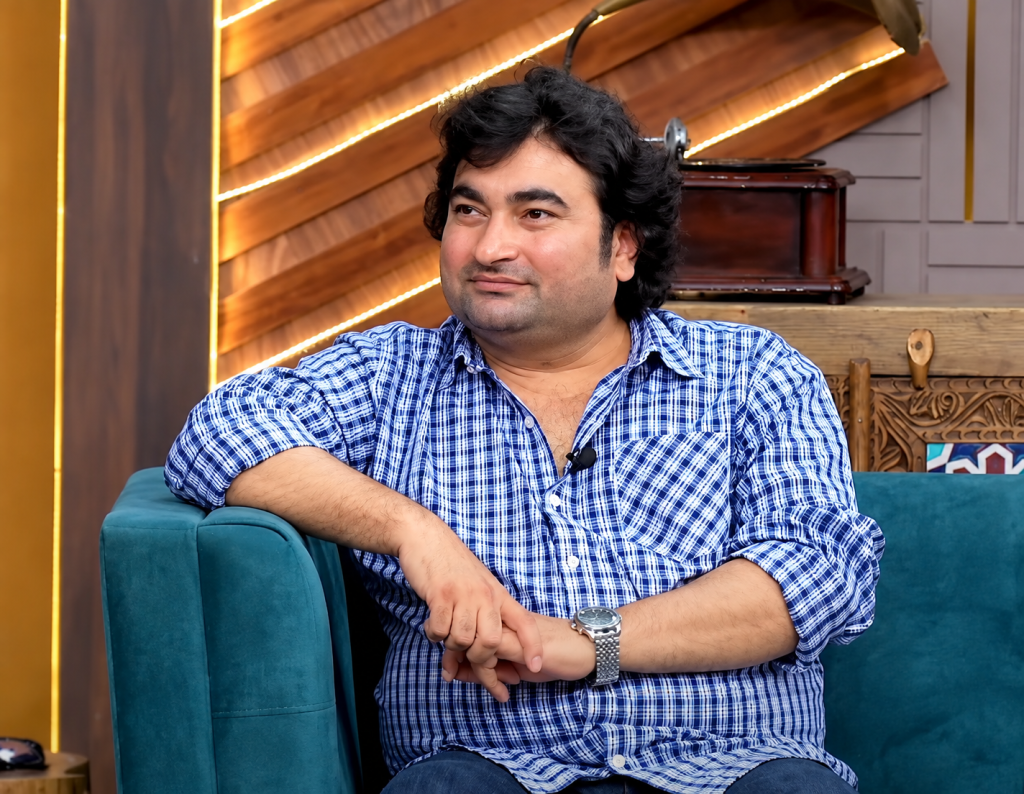
Chupke Chupke helped establish Nawaz as a director associated with contemporary romantic comedy. He later reunited with writer Saima Akram Chaudhry for Hum Tum, a Ramadan special starring Ahad Raza Mir, Ramsha Khan, Sarah Khan and Junaid Khan.
The appeal of Nawaz’s direction in these dramas lies partly in ensemble management. With several characters and parallel relationships operating simultaneously, the director has to maintain pace without allowing one storyline to completely overwhelm the others.
HUM TV also described Nawaz and Chaudhry as the creative team behind Chand Tara, following their earlier work on Chupke Chupke and Hum Tum.
This style has helped make Nawaz a familiar name whenever viewers look for Pakistani romantic comedies with family-centred storytelling.
Haseeb Hassan: Strong Visuals and Emotional Storytelling
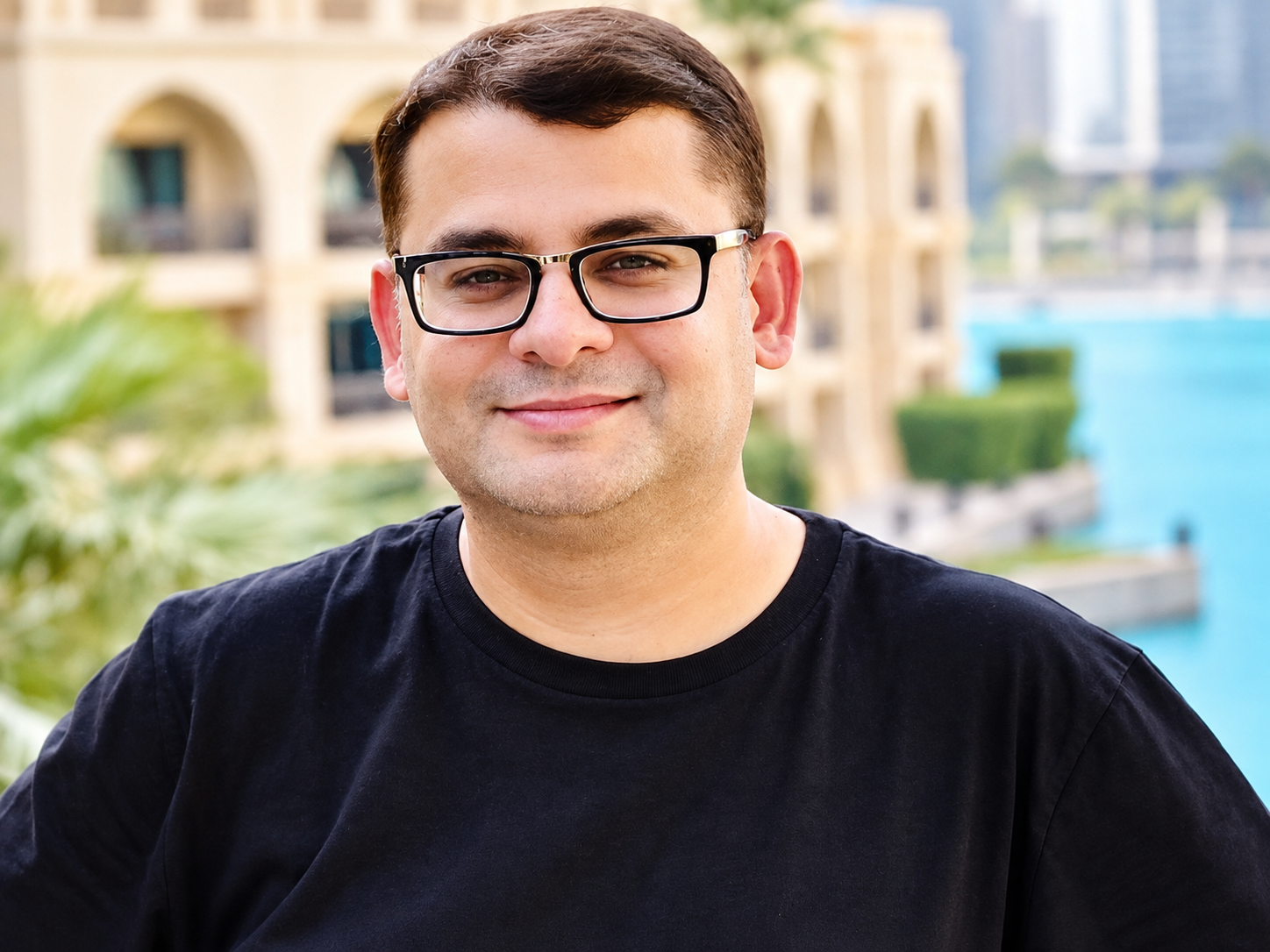
Haseeb Hassan has directed several major Pakistani television projects, including Diyar-e-Dil, Mann Mayal, Alif, Nanhi and Dhoop Ki Deewar. He has also worked in film, directing Parwaaz Hai Junoon.
Diyar-e-Dil, Mann Mayal and Alif
Hassan’s work is often associated with strong visual presentation and carefully constructed emotional worlds. His direction of Mann Mayal gave the romantic drama a soft, intimate look, while Diyar-e-Dil demonstrated his ability to handle a large family ensemble. A contemporary review of Mann Mayal specifically noted his attention to atmosphere and detail.
He later directed Alif, written by Umera Ahmed and starring Sajal Aly, Hamza Ali Abbasi, Kubra Khan and Noman Ejaz. The project combined showbiz, spirituality and personal transformation, giving Hassan a story that required a visual approach beyond conventional family drama.
Hassan has also spoken about his preference for strong stories and his approach to the director’s responsibility for the overall quality of a production. His career shows how visual polish can work alongside emotional storytelling rather than replacing it.
Haissam Hussain: Period Drama and Memorable Characters
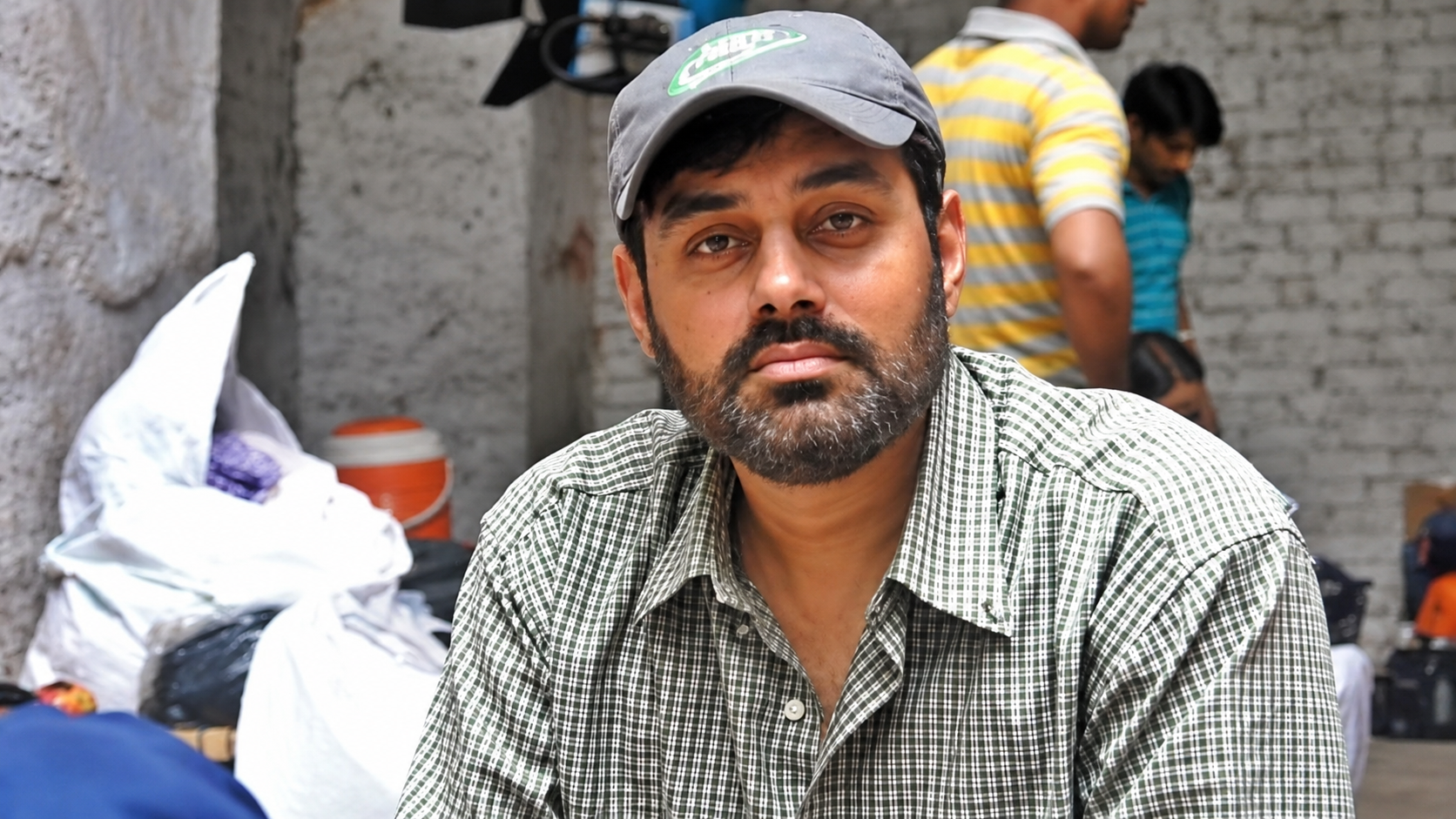
Haissam Hussain is another director whose work has helped shape the visual identity of Pakistani television. His credits include Dastaan, Durr-e-Shehwar, Aunn Zara, Akbari Asghari, Ishq Gumshuda and Jo Bichar Gaye.
Dastaan and Durr-e-Shehwar
Dastaan remains one of his most significant projects. The 2010 period drama was based on Razia Butt’s novel Bano and starred Sanam Baloch, Fawad Khan, Ahsan Khan, Saba Qamar and Mehreen Raheel. Hussain’s direction helped establish the scale and emotional weight required for a story set against the Partition and the creation of Pakistan.
He also directed Durr-e-Shehwar, a drama written by Umera Ahmad and starring Sanam Baloch, Samina Peerzada, Mikaal Zulfiqar and Nauman Ijaz. The story explored marriage, relationships and personal growth, giving Hussain another opportunity to combine intimate character moments with a broader family narrative.
His film work has included Balu Mahi, while his later television projects have continued to explore different genres. That range has made him one of the directors associated with both period storytelling and contemporary entertainment.
What Makes These Pakistani Drama Directors Stand Out?
The directors discussed here don’t share exactly the same style. That’s actually what makes Pakistan’s television industry so interesting. Some specialise in romance, some in comedy, some in historical narratives, while others move comfortably between commercial entertainment and heavier social themes.
| Director | Notable Work | Recognisable Strength |
|---|---|---|
| Sarmad Khoosat | Humsafar, Shehr-e-Zaat, Pani Jaisa Piyar | Emotional and atmospheric storytelling |
| Nadeem Baig | Pyarey Afzal, Jawani Phir Nahi Ani | Mainstream drama and commercial entertainment |
| Mehreen Jabbar | Daam, Jackson Heights, Dr Bahu | Realism and character-driven storytelling |
| Syed Wajahat Hussain | Do Bol, Khuda Aur Mohabbat 3, Khaie | Romance, drama and darker narratives |
| Danish Nawaz | Chupke Chupke, Hum Tum, Chand Tara | Romantic comedy and ensemble storytelling |
| Haseeb Hassan | Diyar-e-Dil, Mann Mayal, Alif | Visual presentation and emotional scale |
| Haissam Hussain | Dastaan, Durr-e-Shehwar, Aunn Zara | Period drama and character-driven narratives |
One common thread is the consistency of visual storytelling. A director has to make hundreds of creative decisions throughout a serial, and those choices eventually create the identity audiences associate with a drama.
Another shared quality is the ability to work with actors. Television directors don’t simply capture performances. They shape blocking, pace, emotional intensity and interactions between characters. When those elements come together, even a familiar storyline can feel fresh.
The best Pakistani drama directors also understand that viewers respond to atmosphere. A beautiful location isn’t enough on its own. It has to serve the story. A dramatic close-up shouldn’t exist simply because it looks cinematic. It should tell us something about the character. That’s where experienced direction makes a difference.
For readers interested in exploring Pakistan’s television directing landscape further, the List of Pakistani television and theatre directors provides a broader overview of names and credits.
FAQs
Q1. Who is Sarmad Khoosat?
A: Sarmad Khoosat is a Pakistani actor, director and filmmaker known for major television projects including Humsafar, Shehr-e-Zaat and Pani Jaisa Piyar. He has also worked extensively in film and theatre.
Q2. Which dramas did Nadeem Baig direct?
A: Nadeem Baig directed television projects including Pyarey Afzal, Ladies Park, Omer Dadi Aur Gharwale and Annie Ki Ayegi Baraat. He later directed films including Jawani Phir Nahi Ani and Jawani Phir Nahi Ani 2.
Q3. What is Mehreen Jabbar known for?
A: Mehreen Jabbar is known for character-focused television and film projects including Daam, Malaal, Jackson Heights, Ramchand Pakistani, Dobara Phir Se and the 2026 drama Dr Bahu.
Q4. Which dramas did Syed Wajahat Hussain direct?
A: His credits include Do Bol, Khuda Aur Mohabbat 3 and Khaie. These projects cover very different genres, from romance and family drama to revenge-driven storytelling.
Q5. Which Pakistani dramas did Danish Nawaz direct?
A: Danish Nawaz directed Chupke Chupke, Hum Tum, Khaas, Dobara and Kaala Doriya. He has become particularly associated with romantic comedy and family entertainment.
Q6. What is Haseeb Hassan’s most famous work?
A: Haseeb Hassan has directed several major Pakistani productions, including Diyar-e-Dil, Mann Mayal, Alif, Nanhi and Dhoop Ki Deewar. He also directed the film Parwaaz Hai Junoon.
Q7. Why is Haissam Hussain important to Pakistani television?
A: Haissam Hussain has directed influential dramas including Dastaan, Durr-e-Shehwar and Aunn Zara. His work spans period drama, romance, family stories and comedy, demonstrating considerable genre range.
Stay tuned to Brandsynario for the Latest Entertainment News and updates.

 Join a Channel
 Brandsynario
 Veryfilmi