















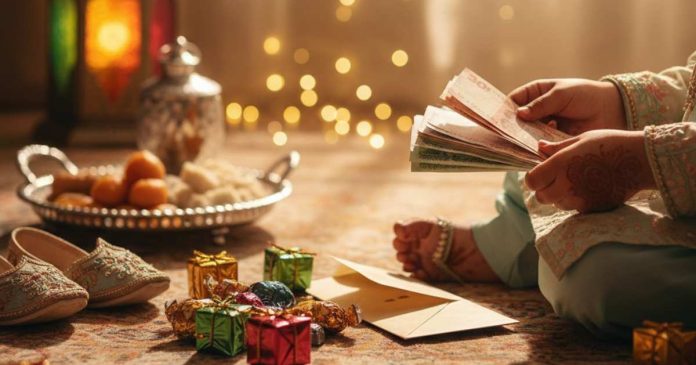

Eid in our childhood carried a kind of magic that felt impossible to replicate. It was a celebration that seemed larger than life itself. Excitement pulsed through every room, long before the crescent moon appeared. For children, Eid wasn’t just a religious day; it was an experience of joy, togetherness, and delight that remained stitched in memory with wonder and anticipation.
Back then, there were no responsibilities, no schedules to manage, no social obligations. Eid meant joy, noise, and the thrilling promise of gifts and gatherings. Through a child’s eyes, everything felt larger, brighter, and more alive. Streets buzzed, families gathered, dresses sparkled, and feasts were laid out. For those who grew up with these memories, the day of Eid can tug on the nostalgic heartstrings.
Chand Raat: Where the Celebration Truly Began
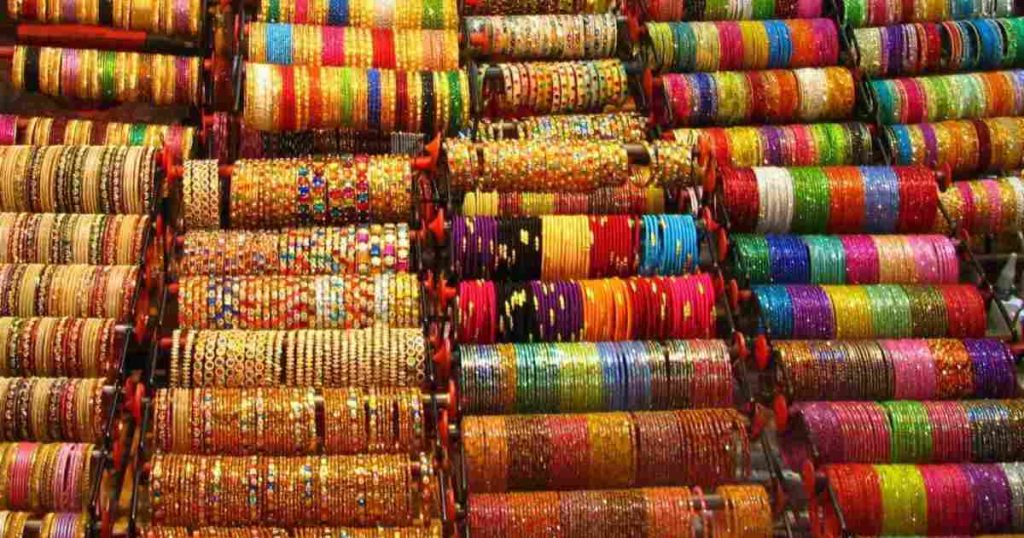
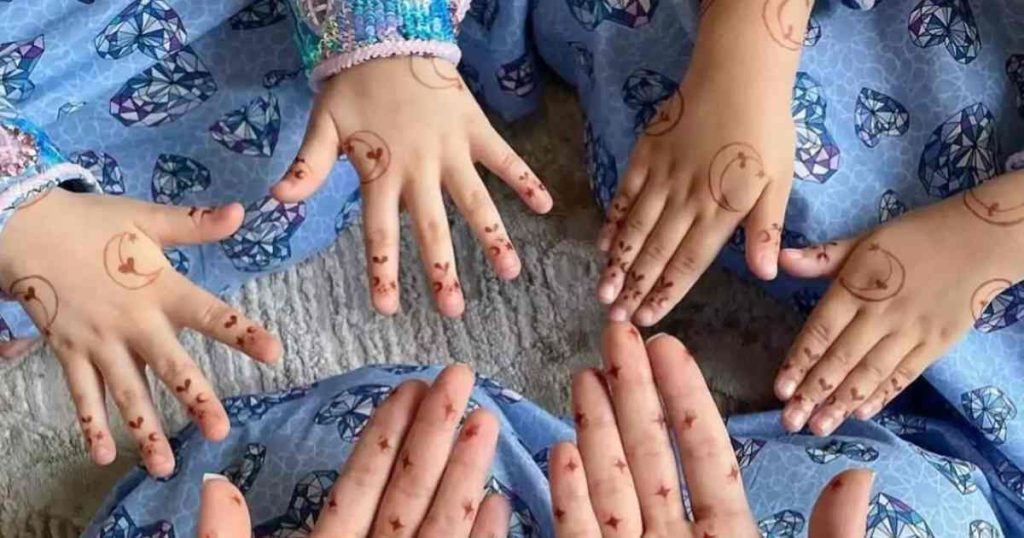
The night before Eid, known as Chaand Raat, felt like a festival of its own. As soon as the crescent moon was sighted, markets came alive with lights, laughter, and crowds browsing last-minute Eid shopping. The air felt festive as people chose bangles, new shoes, and rushed to get their henna done.
At home, Chaand Raat had its own rituals. Food was prepped for the next morning, new clothes were laid out, and sleep rarely came easily. The thought of getting dressed, eating sugary and savoury foods, and meeting family and friends kept young hearts racing well past bedtime.
Eid Morning: A Symphony of Chaos and Happiness
The first light of Eid morning brought a unique rhythm, blending excitement with rushed preparation. Homes stirred early, yet nobody complained about the lost sleep. Laughter and footsteps echoed as fathers rushed to get the boys to the masjid and mothers made sure every last detail was done. The children did their best to stay still as they struggled to contain their enthusiasm.
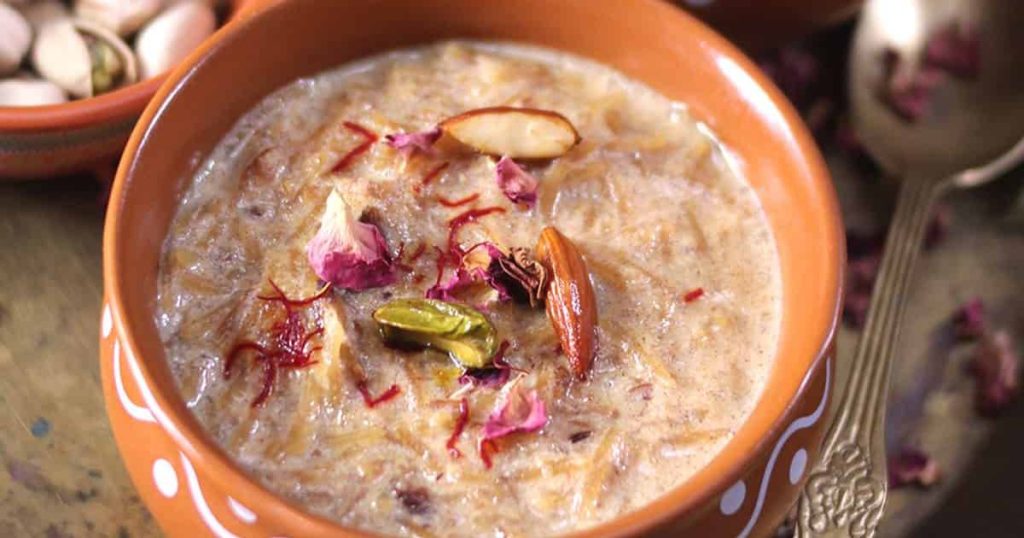
Breakfast anchored the morning’s celebration. Sheer Khurma, rich and aromatic, was a spoonful of sugar-sweet joy. It symbolised festivity, indulgence, and tradition all at once. Getting dressed in new outfits made Eid mornings feel like a dream. Brightly sewn shalwar kameez, glittering bangles, and a fancy pair of shoes set the tone for the day.
The Eidi Tradition: Small Notes, Big Thrills
For every child, the ritual of collecting Eidi stood at the heart of Eid al-Fitr’s excitement. From grandparents to uncles, aunts, and neighbours, every greeting came with anticipation. The joyful expedition of collecting crisp notes lit up the day for children. The fun wasn’t just in receiving money, but in the playful strategy of greeting each elder with the brightest smile, hoping they’d be extra generous.
Crisp currency notes felt like a treasure. The fun of bragging about how much one received was unmatched. Throughout the day, children would mentally tally their earnings and competitively whisper totals to siblings and cousins. This playful rivalry added to the excitement.
Cousins, Games, and Glorious Disorder
Eid gatherings guaranteed cousins, which translated into joyful chaos. Living rooms and streets turned into playgrounds as children let loose. Children played gully cricket, tag, or went to the local fair and used up their Eidi on rides. Laughter echoed through homes and neighbourhoods as childhood delight brought vibrance and energy.
Inevitably, minor disasters cropped up. A glass might be knocked over, or someone would run into furniture, resulting in scoldings. Yet the joy would not diminish, as after a brief apology, the fun would resume. These incidents would go on to become lively, unforgettable Eid memories, recalled with fond smiles by children and adults alike.
The Visiting Marathon: A Day Without Stillness
Eid rarely remained confined to one home. It became a joyful journey, starting at grandparents’ houses, moving through uncles’ and aunts’ homes, and even the odd neighbourly visit. Cars filled with chatter as families went from one home to another. Every stop brought fresh greetings, cups of chai, plates of sweets, and warm conversation.
For children, these rounds brought on even more excitement. Every house felt like a new adventure, with new meals to try, more Eidi, and cousins to play with. The day would wrap up with everyone feeling happily drained, with a content heart.
Then and Now: How Time Reshapes Eid
As time passes, the magic of Eid slowly alters. What once was a day of buzzing excitement became calmer and more reflective. Now, as an adult, one has to think of managing guests, coordinating visits, and getting last-minute chores done. Instead of waiting to receive Eidi, one has to prepare envelopes for younger relatives. The day becomes less about joyful indulgence and more about the warmth of giving to others.
The pace of Eid transforms with age. Thrilled running turns into calm conversations over chai. The noisy chaos of cousins becomes familiar laughter among adults reclining comfortably. Eid’s spirit reaches everyone, but it is undeniable that childhood Eid came with a carefree joy rooted in innocence.
Why Childhood Eids Continue to Glow in Memory
The charm of Eid in childhood was not just in the rituals, but in the feelings they created. Every moment felt charged with excitement, and innocence painted every moment with sweetness. There were no pressures, only anticipation and delight.
These memories are reminders of simpler times, evoking warmth and a longing for days when happiness came easily. Eid is beautiful at any age, but those fond childhood memories remain in the hearts of everyone as some of the most nostalgic moments of life.
Stay tuned to Brandsynario for latest news and updates

 Join a Channel
 Brandsynario
 Veryfilmi