















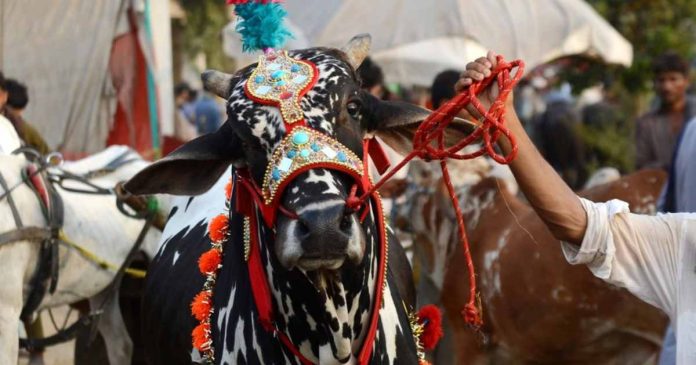

Eid al-Adha is a test of intention and faith. This is why choosing the right qurbani animal isn’t a matter of size or price; it is a decision that must stem from faith and spiritual responsibility. As Eid al-Adha approaches, one must take the time to understand the rules and Sunnah behind this act.
When choosing a qurbani animal, sincerity is everything, making knowledge just as important as intention.
The Purpose of Qurbani
The sacrifice is a commemoration of the devotion of Hazrat Ibrahim AS, who was willing to give up what was most dear to him for the sake of Allah. This act is about seeking closeness to Allah SWT as well as following the Sunnah of the Prophet Muhammad SAW.
Qurbani is about the essence of gratitude and generosity that is associated with a sacrifice. The act also strengthens community ties by ensuring that the meat is shared with family, relatives, and the needy. Understanding the intention behind it makes choosing a qurbani animal a meaningful process.
Islamic Rules
Qurbani animals cannot be chosen at random and need to meet specific Islamic guidelines. Islamic teachings define which animals are permissible and the conditions that must be met. If these are not met, then the sacrifice may be invalid, despite the price or appearance of the animal.
Livestock such as goats, sheep, cows, and camels are permitted. Each qurbani animal needs to meet the criteria of age and health as well. Goats and sheep must be at least one year old, while cows need to be at least two years old. The animal must also have no visible defects. Issues such as blindness, severe illness, and lameness can invalidate the sacrifice.
Physical Condition
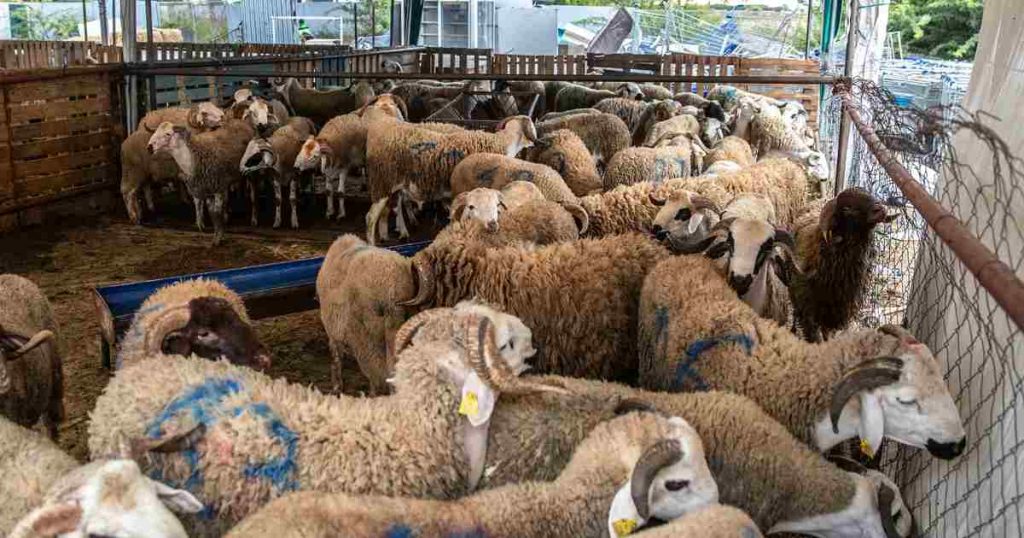
A qurbani animal needs to be healthy to be a valid option. Buyers should look for signs of energy, appetite, and overall strength before completing the purchase.
Keeping an eye out for certain indicators helps. Firstly, bright and clear eyes with an alert posture are a strong sign of good health. Their coat should be smooth and shiny, and they should be able to move around without limping. The general appearance should be that of an animal that weighs a normal amount and is fed well.
Sunnah Practices & Ethical Treatment
The Sunnah emphasises choosing the best animal within your means. The Prophet (SAW) sacrificed healthy, well-built animals, which set an example of quality and care for Muslims.
Equally important is humane treatment. The qurbani animal should be handled gently, transported safely, and never exposed to unnecessary stress. During sacrifice, a sharp knife must be used, and “Bismillahi Allahu Akbar” should be recited. Meat distribution is also followed by Sunnah, where it is divided into one portion for the family, relatives, and the poor each.
A Choice That Reflects Faith
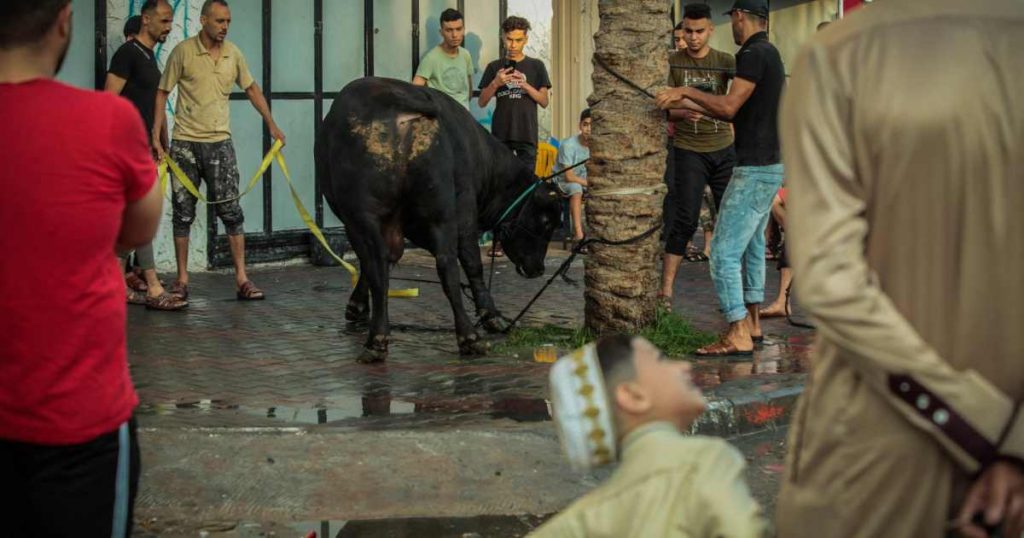
Selecting the right qurbani animal is a practical responsibility just as much as it is a religious one. One must always approach the decision with awareness and sincerity.
Markets are full to the brim with options, but the only right choice is the one that follows Islamic guidelines. If your animal selection reflects the sincerity of your intentions and is done the right way, it becomes an act of lasting spiritual value.
As preparations begin, it is also important to plan ahead. Eid ul Adha 2026 in Pakistan is expected to fall on Wednesday, May 27, 2026, with public holidays likely spanning from Wednesday, May 27, to Friday, May 29, or extending through the weekend until Saturday, May 30, or Sunday, May 31. This makes it even more essential to make timely and thoughtful decisions regarding your qurbani.
Stay tuned to Brandsynario Lifestyle for latest news and updates

 Join a Channel
 Brandsynario
 Veryfilmi