













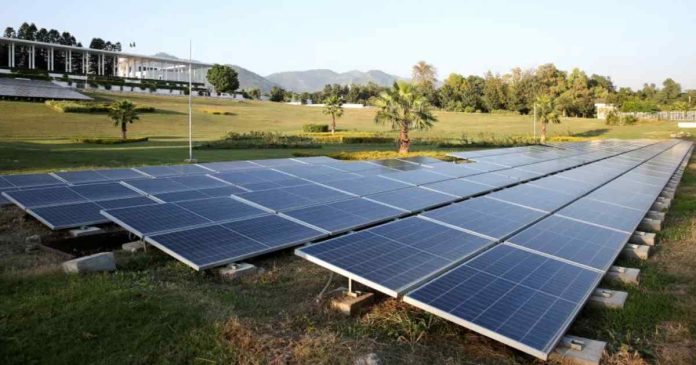

Pakistan’s mad rush to solar is transforming the country’s electricity market. By 2025, solar generation had climbed to nearly 36.3 terawatt-hours, representing more than one-fifth of the country’s electricity generation. But this remarkable growth is creating a new challenge: the national grid is losing customers.
Key Takeaways
-
Pakistan generated an estimated 36.3 TWh of solar electricity in 2025.
-
The country imported more than 58 GW of Chinese solar panels.
-
Rising private installations are putting additional pressure on electricity distribution companies and the government’s capacity payment obligations.
How Pakistan Became One of the World’s Fastest-Growing Solar Markets
Pakistan’s transition did not begin with a large government-funded programme. Instead, millions of consumers made the switch themselves. With tariffs on the rise and load-shedding reaching unprecedented an unpredictable amount of hours, rooftop installations became a coveted option. For many households, generating electricity independently became a practical way to manage monthly expenses.
The magnitude of this change is striking. World Nuclear Industry Status Report 2026 According to this report , Pakistan produced around 36.3 TWh electricity from solar energy in 2025. This amounted to about 21.6% of total generation, and was up 85% from the prior year. This was a novel event where solar generation overtook nuclear power for the first time.
A lot of the growth has come from imports out of China. China exported over 58 GW worth of solar panels to Pakistan from early 2017 to mid-2026. This made Pakistan the second-largest single-country market for Chinese solar panels.
Consumers Are Turning Away From the National Grid
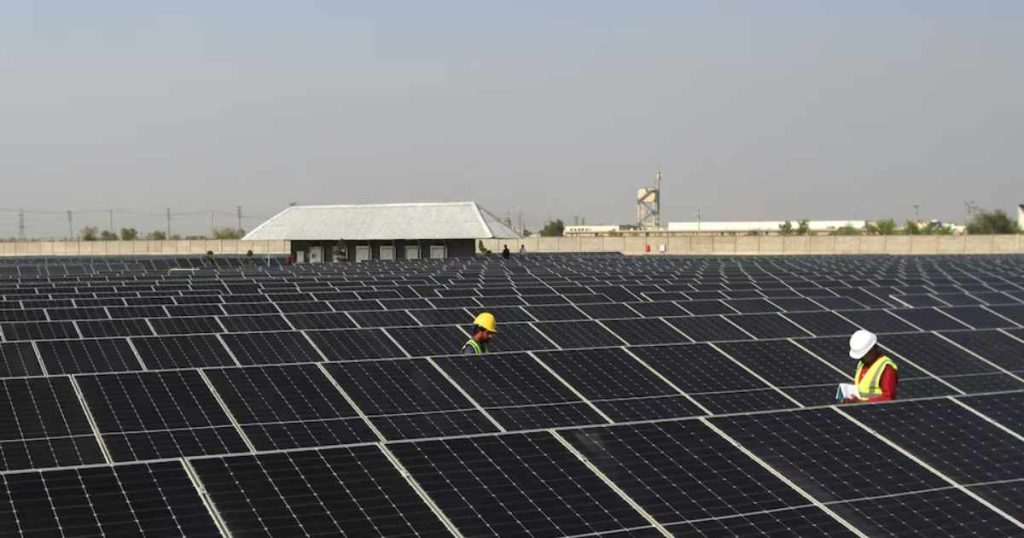
Electricity prices have become a major concern for Pakistani households and businesses. Since tariffs have more than doubled over a three-year period, it has made regular grid consumption alarmingly expensive. Meanwhile, cheaper Chinese panels offered an alternative. Installation costs were hefty but could be recovered in a handful of years
There is also the matter of reliability. Several parts of Pakistan experience tediously long power cuts, particularly in areas served by financially struggling distribution companies. NEPRA’s FY2024-25 performance report recorded average daily load-shedding figures of 10.25 hours for QESCO and eight hours for HESCO.
Research on Pakistan’s electricity transition points to two distinct patterns:
-
Higher-income households and businesses in relatively well-served areas install panels and use net metering to exchange electricity with the grid.
-
Consumers facing unreliable electricity increasingly generate their own power without registering their installations with distribution companies.
This distinction is notable because official net-metering figures capture only part of the country’s solar capacity. A considerable number of installations operate privately. This makes their contribution difficult to measure through conventional electricity records.
The Growing Problem
The rapid growth has created financial problems for the national grid. Electricity distribution companies rely on these consumer bills to cover the costs of operations and other fixed costs. The financial burden ends up falling on those who remain connected.
Pakistan also keeps paying huge capacity charges to power producers. These payments compensate for the availability of generation capacity even when plants produce less power than anticipated. Declining grid consumption does not automatically reduce the financial obligations attached to existing power agreements.
That leads to the potential for a utility death spiral. Distribution companies make less money when more customers install panels. Then they can increase tariffs to recover their costs, which will push even more customers to invest in independent generation. Eventually, households that cannot afford private systems could face higher bills.
Can Pakistan Reform Its Grid Before It Falls Further Behind?
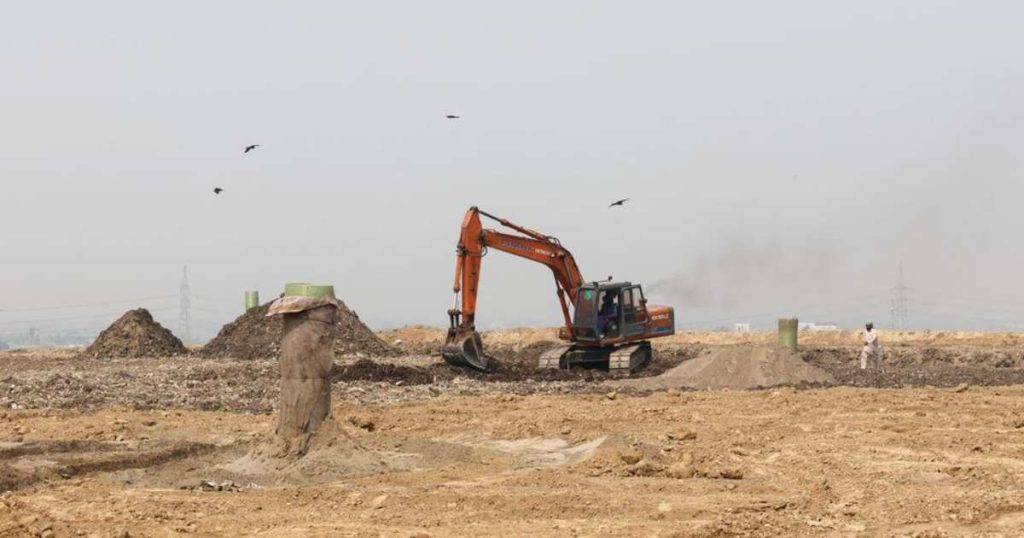
The government now faces the challenge of adapting electricity policies to a market that has changed much faster than anticipated. Changes to net-metering arrangements have already caused concern among businesses and households that invested in panels under earlier regulations. Under the revised net-billing system, exported electricity receives a different rate from the price consumers pay when purchasing electricity from the grid.
Pakistan needs to address several issues:
-
Renegotiate costly power purchase agreements where possible.
-
Improve transmission and distribution infrastructure.
-
Reduce electricity theft and technical losses.
-
Introduce fair tariffs that account for changing consumption patterns.
-
Expand battery storage to manage excess daytime generation and evening demand.
The country has already started its energy transition. The challenge is to ensure that the national grid evolves with it. Pakistan’s increasing reliance on solar power could cut fuel imports and empower consumers to control electricity bills. However, there remains the pressing need for meaningful reforms. That would ensure that this transition does not leave the country with an expensive grid that serves fewer people.
FAQs
1. How much solar electricity did Pakistan generate in 2025?
Approximately 36.3 TWh, or 21.6% of total generation.
2. Why are Pakistanis installing solar panels?
High electricity tariffs, load-shedding and cheaper imported panels.
3. What is a utility death spiral?
A utility death spiral is when declining grid customers lead to higher tariffs and further customer losses.
Stay tuned to Brandsynario for latest news and updates

 Join a Channel
 Brandsynario
 Veryfilmi