

















Pakistani nights are getting an early curfew again. The federal government has officially rolled out a fresh batch of strict austerity and fuel conservation rules to handle rising global energy pressures. Triggered by Middle East conflicts and global oil prices crossing $100 a barrel.
These rules impact everything from late-night hangouts to official government fuel allowances. If you plan to shop late, eat out, or host an event, your schedule is about to change big time.
Key Takeaways
- Markets and Malls; Closing early by 9:00 PM every night.
- Wedding venues shut at 10:00 PM; restaurants close at 11:00 PM.
- Food takeaways and home deliveries stay open late.
- Official car fuel allowances to be sliced by 50% for three months.
- Medical facilities, milk shops, bakeries, and petrol pumps remain open.
What Closes When?
Shopping sprees and late-night grocery runs are shifting to early-evening activities. The Cabinet Division has set strict cutoffs across commercial sectors to cut national power consumption. Local authorities want businesses to wrap up early to save electricity across the board.
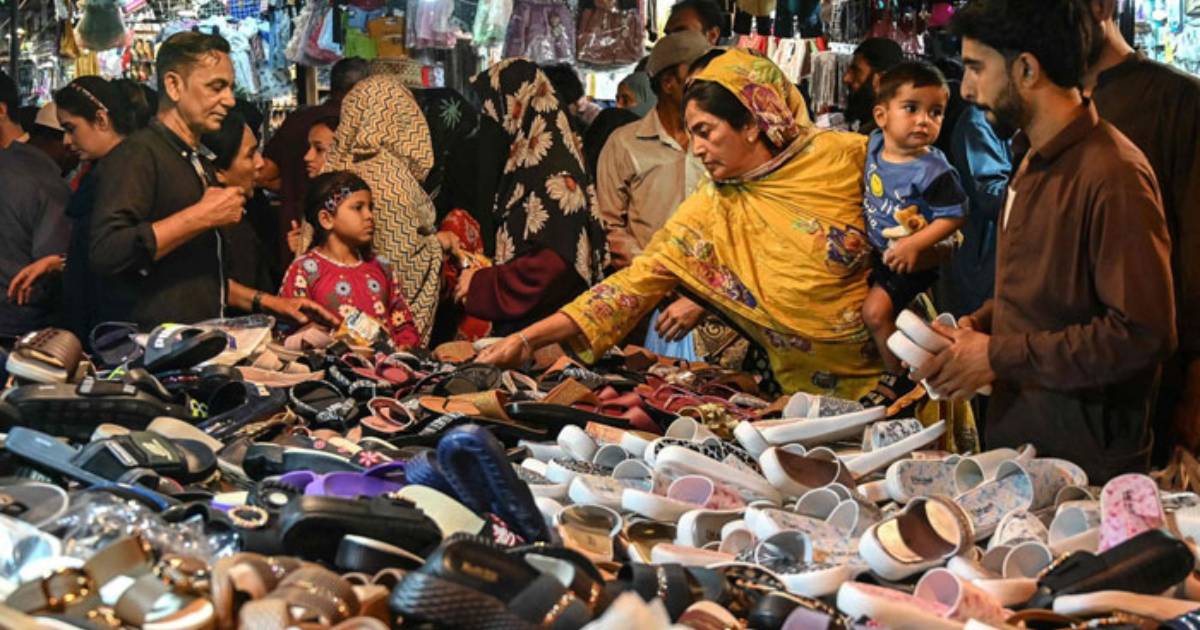
Here is how commercial schedules will look right now:
- Shops, Bazaars, & Malls (9:00 PM): All local retail outlets, department stores, general stores, and neighbourhood kiryana shops must shut down by 9:00 PM.
- Wedding Halls & Marquees (10:00 PM): Event halls must turn off lights by 10:00 PM sharp. Plus, hosts must follow a strict single-dish menu rule for all functions.
- Restaurants & Cafés (11:00 PM): Dine-in spots, eateries, food courts, and standalone fruit or vegetable shops can stay open until 11:00 PM.
- Pro Tip for Late Diners: You can still satisfy your midnight cravings. Takeaway counters and home delivery services are completely exempt from the 11:00 PM rule!
Essential Services Stay Open 24/7
Do not worry about late-night emergencies or midnight snack runs. The government has exempted crucial healthcare and daily supply outlets from timing limits.
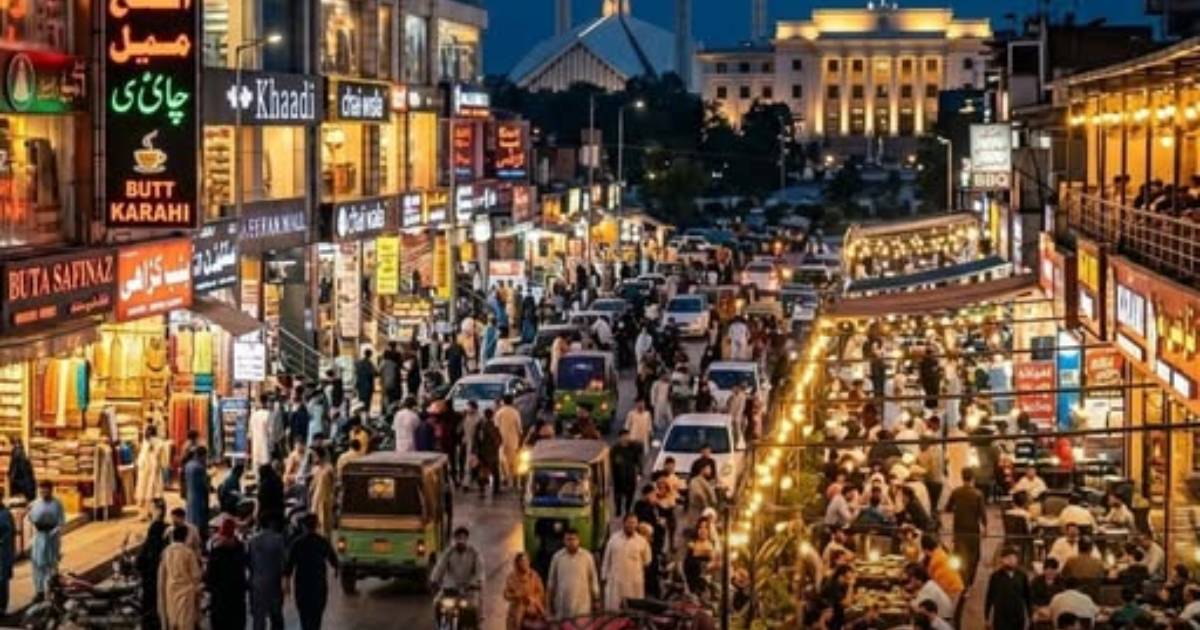
You can access these services past the curfew:
- Healthcare: Pharmacies, medical supply stores, diagnostic labs, clinics, and hospitals.
- Daily Staples: Standalone bakeries, local tandoors, and standalone dairy or milk shops.
- Mobility & Tech: Fuel stations, CNG pumps, EV charging points, IT firms, and call centres.
- Fitness: Local gyms, sports complexes, and padel courts.
The Government Gets Its Own Reality Check
It is not just the public adapting to tight schedules. The federal government is tightening its own belt to save state funds and cut energy waste.
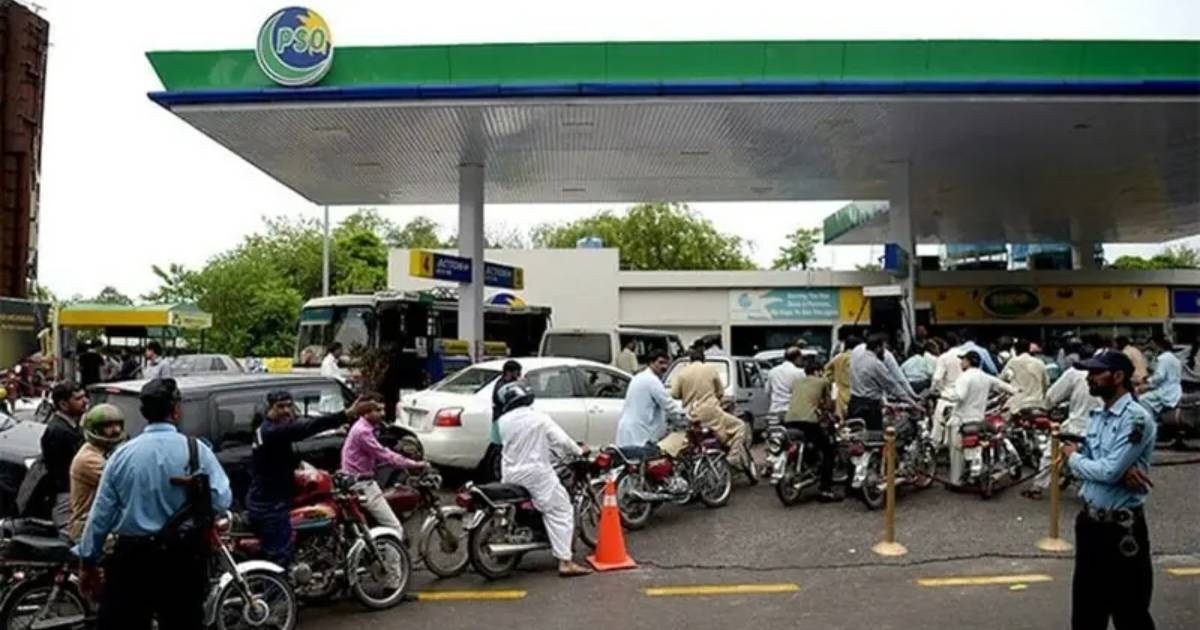
- 50% Fuel Slashing: Official vehicles get half their regular fuel allowance for the next three months. Operational vehicles for armed forces, police, medical emergency crews, and development projects will keep their full allowance.
- No New Purchases: Ministries cannot buy any new vehicles or durable office goods, except for essential IT hardware.
- Travel Restrictions: Official foreign trips are banned for three months. If travel is totally unavoidable, officials must fly economy class.
- Virtual Meetings Only: Departments must host meetings via video calls, skip expensive official dinners, and avoid booking private event venues.
How We Got Here
This isn’t the first time this year Pakistan has hit the energy pause button. The federal government originally rolled out an emergency austerity and fuel conservation drive back on March 9, 2026, when US-Iran tensions first spiked global oil prices.
During that initial phase, officials slashed vehicle fuel quotas, introduced salary cuts for cabinet members, and even experimented with work-from-home days. Most of those heavy restrictions were quietly rolled back on June 19, 2026, after global energy markets cooled down momentarily, though the early market closing times remained in place.
Now, with Middle East supply routes facing renewed disruptions and crude oil surging past $100 again, the government has brought the full austerity package back to keep the country’s energy import bill under control.
Why Is This Happening Right Now?
If you are wondering why these restrictions came back so fast, look at global energy markets. Escalating Middle East conflicts and disruptions along crucial shipping lanes like the Strait of Hormuz have pushed crude oil prices beyond $100 per barrel.
Importing fuel at these prices strains Pakistan’s foreign reserves heavily. Reining in night-time energy usage helps lower demand on the national grid, reducing fuel import bills while keeping basic services running smoothly.
FAQS
1. What are the new closing hours for shops and restaurants?
Malls, bazaars, and general stores must shut down by 9:00 PM. Marriage halls close at 10:00 PM, while restaurants, cafés, and food spots close at 11:00 PM.
2. Can I still order food late at night?
Yes! Food takeaway counters and home delivery services are 100% exempt from the 11:00 PM curfew.
3. Which businesses are allowed to stay open past the deadline?
Medical facilities (pharmacies, labs, hospitals), essential daily food outlets (standalone bakeries, tandoors, dairy shops), petrol/CNG/EV stations, gyms, and tech hubs (IT companies and call centres) can operate normally without timing limits.
Stay tuned to Brandsynario for the latest news and updates.

 Join a Channel
 Brandsynario
 Veryfilmi