

















A catastrophic flash flood tore through the Himalayan border region between Nepal and Tibet on Wednesday, August 26. More than 160 people are dead after a devastating wall of water, mud, and boulders swept down the Lhende Khola and Trishuli River valley.
The disaster unfolded when a massive section of a Himalayan glacier gave way. It sent an outburst of ice, rock, and debris hurtling down populated valleys, snapping bridges and burying homes in seconds.
Key Takeaways
- The disaster began with a massive collapse of ice and rock along the border on Wednesday.
- The confirmed death toll has climbed past 160, with the missing person count now reaching nearly 1,500.
- Hundreds of foreign trekkers remain unaccounted for across both sides of the border.
- The US Geological Survey clarified that the magnitude 5.2 seismic signal was caused by the glacier’s impact, not an earthquake.
- Authorities have issued urgent warnings that a secondary flood could break through an unstable blockage higher up the river.
Glacial Avalanche and Seismic Reclassification
Initial speculation suggested a seismic tremor had touched off the disaster. Scientists and geological authorities quickly established that the glacier itself produced the disturbance. Satellite images revealed a section of the glacier measuring approximately 2,000 feet (610 metres) wide. It broke off at an altitude of 5,200 metres (17,000 feet) and plunged roughly 1,200 metres (4,000 feet) down to the valley floor.
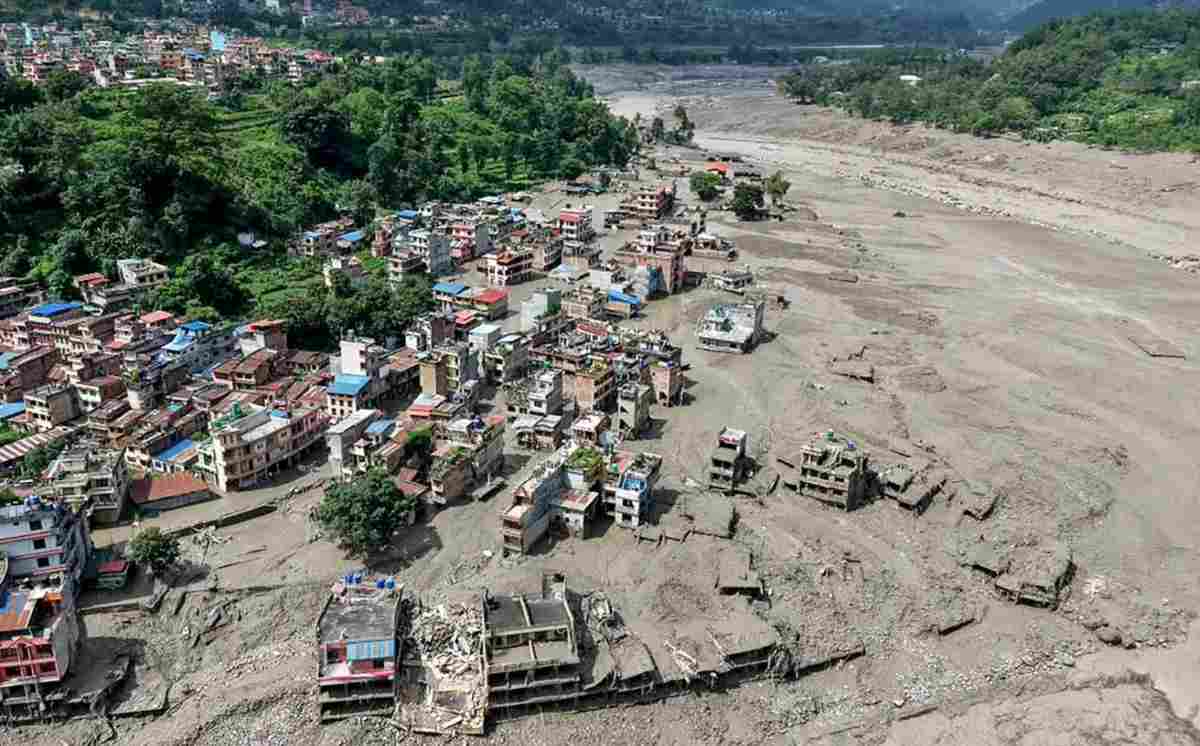
The US Geological Survey confirmed that the recorded tremors were the consequence, not the origin, of the massive collapse. The seismic event was initially measured at magnitude 4.4, but was later reclassified at 5.2. Geological expert Pokharel explained the mechanics, noting that an ice-rock avalanche on the Nepali side caused the floods.
View this post on Instagram
Lives Lost and Missing Foreigners
Search and rescue teams began scouring remote riverbanks on Thursday morning as authorities tallied the catastrophic scale of life lost. Beyond the confirmed fatalities, nearly 1,500 people remain missing. Among them are 750 to 800 foreign nationals caught in the Himalayan trekking and border zones.
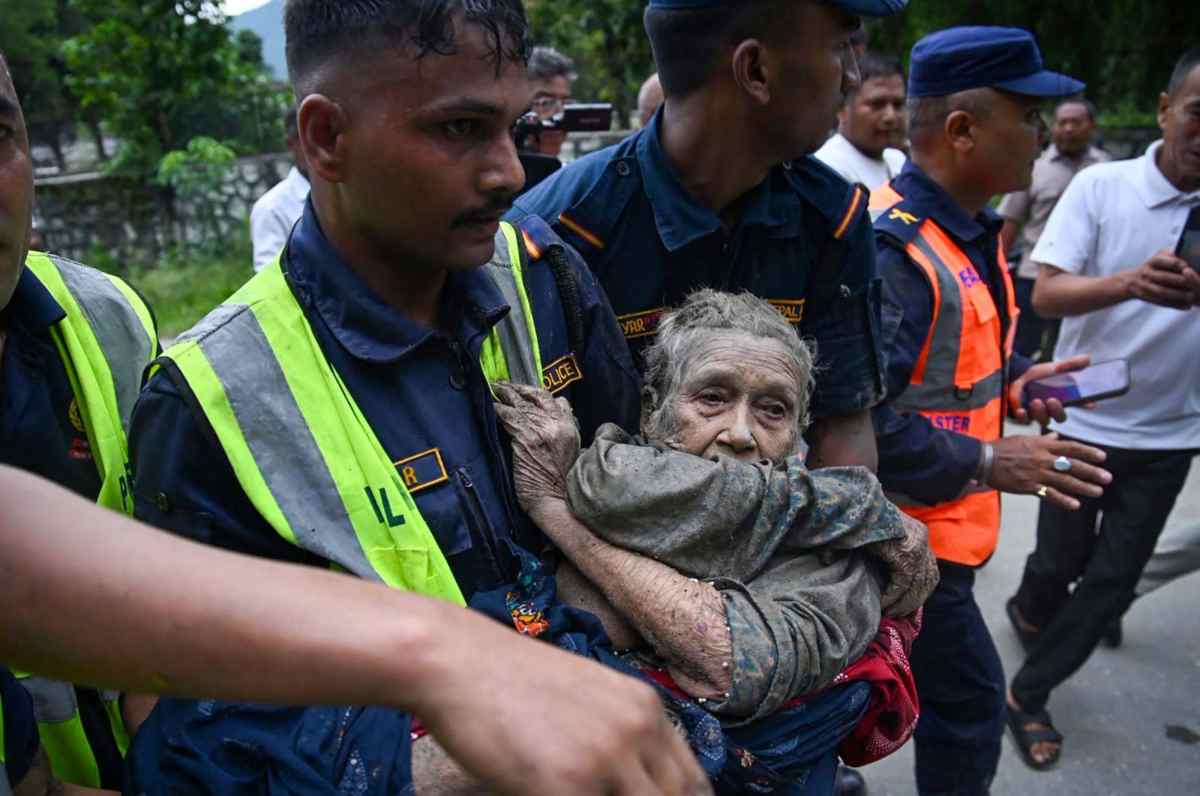
Survivors in the affected districts described scenes of sudden, total devastation. Raging floodwaters engulfed the riverside communities. Tula Bahadur BK, a resident of Rasuwa, recounted the nightmare: “There is devastation everywhere we look. The settlements next to the river have been completely swept away. Five of my own relatives are missing.”
Widespread Destruction of Border Infrastructure
The torrent destroyed the Gyirong border crossing and its customs facilities, effectively cutting off road transit, power lines, and vital telecommunications between Nepal and Tibet. Homes, roads, bridges, and entire villages were also obliterated across the mountainous border terrain.
The flood also severely compromised Nepal’s power grid. The deluge damaged six major hydropower and transmission facilities. In total, 430 megawatts of electricity supplies went offline, which knocked out more than 12% of Nepal’s national hydropower capacity.
Impact Across India
The scale of the emergency extended far beyond the immediate border zone. Flood alerts were promptly issued in the Indian states of Bihar and Uttar Pradesh. As a result, approximately 5,000 people were evacuated from low-lying areas in Bihar.
Meanwhile, coordinated international relief began to take shape. India worked closely with Nepal on rescue operations and dispatched 10 tons of relief assistance along with essential medicines. The United Nations mobilised supplies and personnel to support the escalating humanitarian response.
Is There An Ongoing Threat of a Secondary Flood?
Emergency teams and local authorities remain on high alert because the crisis may not be over. A hazardous blockage of debris remains wedged along the upper reaches of the Lhende Khola river. This unstable natural dam could breach at any moment, sending a fresh surge of water downstream.
Officials in the border region have cautioned that communities are still in immediate danger. Describing the lingering threat, regional official Qianggong said: “With a blockage still lodged upstream on the Nepal-China border river, authorities warn a second flood may occur.”
FAQs
1. What caused the deadly flash flood on the Nepal-Tibet border?
The flood was triggered by a massive ice-rock avalanche and the collapse of a 2,000-foot-wide section of a Himalayan glacier into the river valley.
2. Did an earthquake cause the glacier collapse?
No. The US Geological Survey confirmed that the magnitude 5.2 tremor was generated by the glacier’s impact on the valley floor, not by an earthquake.
3. How many people are dead and missing?
Authorities have confirmed over 160 deaths, while the search continues for nearly 1,500 others, many of whom are foreign nationals.
4. How badly was regional infrastructure damaged?
The floods destroyed the Gyirong border crossing, knocked out six major hydropower facilities, and cut 430 megawatts of electricity, equivalent to over 12 percent of Nepal’s hydropower capacity.
5. Did the floods affect India?
Yes. Flood alerts were issued in Bihar and Uttar Pradesh, and around 5,000 people were evacuated from low-lying areas in Bihar downstream from Nepal.
6. Is there a risk of a second flood?
Yes. Authorities warn that an unstable blockage of debris lodged higher up the river could breach, potentially causing another flood.
Stay tuned to Brandsynario for Latest International News and update

 Join a Channel
 Brandsynario
 Veryfilmi