
















The International Criminal Court has hit back against the United States after the Treasury Department’s announcement of fresh sanctions against ICC President Tomoko Akane and Senior Trial Lawyer Abdoulaye Seye. The move marks a significant escalation in Washington’s ongoing friction with the global judicial body.
Unveiled on August 18, 2026, by the Treasury’s Office of Foreign Assets Control, the measures target senior leadership at the international legal institution. Diplomatic relations between the US and the court have now reached a critical breaking point.
Key Takeaways
- Sanctions from the US Treasury have frozen assets and restricted financial access for the ICC’s president and a top trial lawyer.
- The ICC strongly rejected the actions, warning that US measures undermine the rule of law and place the international legal order at risk.
- US sanctions now target multiple officials, including nine of the court’s 18 judges, both deputy prosecutors, and a former prosecutor.
- Japan’s Ministry of Foreign Affairs expressed regret over the decision, calling the sanctions on Akane very unfortunate.
- The diplomatic friction follows the ICC’s November 2024 arrest warrant for Israeli Prime Minister Benjamin Netanyahu regarding the war in Gaza.
The Sanctions Explained
The latest action from the US Department of the Treasury’s Office of Foreign Assets Control directly targets two key figures within the court. The sanctions freeze all US-based assets belonging to Akane and Seye. In addition, the measures block their access to the US financial system and restrict their ability to use US services.
Akane, a prominent Japanese judge, has served as ICC President since March 2024.
The ICC’s Defiant Response
The International Criminal Court issued an official response forcefully condemning the measures, stating that they “undermine the rule of law”. Warning that such actions set a perilous precedent, the institution stressed the consequences for the entire globe.
Defending its mandate, the court issued a direct statement:
“When judicial actors are threatened for applying the law, it is the international legal order itself that is placed at risk,” the court stated in a direct response.
The ‘Dismantle’ Campaign
The measures form part of a broader political and diplomatic campaign launched by the US administration to systematically dismantle the body and disable its operational capabilities. The legal framework for these actions traces back to February 6, 2025. On that date, US President Donald Trump signed Executive Order 14203 authorising sanctions against the institution.
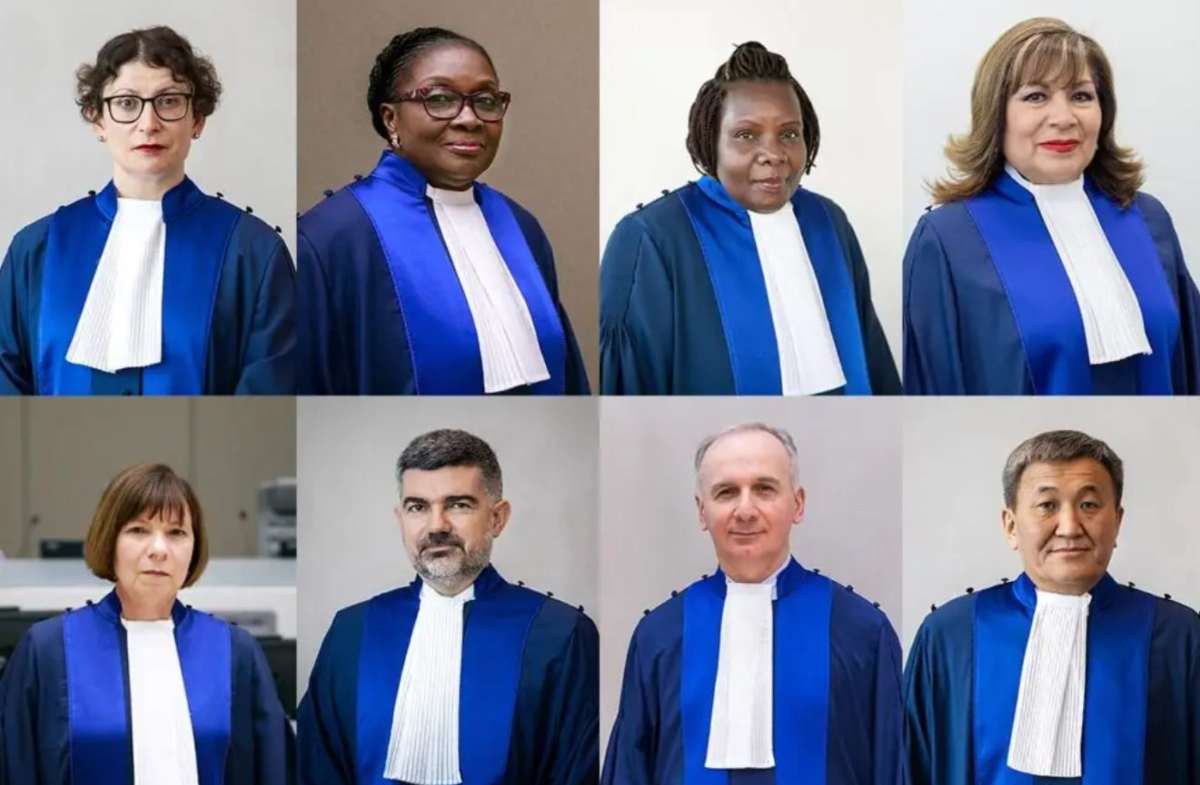
As of August 2026, US sanctions target nine of the court’s 18 judges, both deputy prosecutors, and a former prosecutor. Marco Rubio outlined the administration’s firm stance in an official statement:
“The ICC’s ability to target American nationals and those of other non-States Parties must end. The Trump Administration stands ready to take additional measures, if necessary, to systematically dismantle the ICC until it is incapable of threatening American sovereignty.”
Global Fallout and Japan’s Reaction
International concern followed the decision to sanction Akane, notably drawing criticism from key US allies. In a statement issued on August 19, 2026, Japan’s Ministry of Foreign Affairs expressed formal regret regarding the development.
Ministry Press Secretary Toshihiro Kitamura described the US decision to impose financial sanctions on Akane as very unfortunate. This underscores growing diplomatic discomfort over the targeting of international jurists.
The Netanyahu Factor
Friction between the US and the court intensified in late 2024. In November of that year, the ICC issued an arrest warrant for Israeli Prime Minister Benjamin Netanyahu regarding the war in Gaza, triggering intense political pushback from Washington.
Jurisdictional disputes remain at the heart of the conflict. Neither the United States nor Israel is a state party or signatory to the Rome Statute of the International Criminal Court. Consequently, the US administration has repeatedly challenged the legitimacy of the court’s authority over non-member states.
FAQs
1. Who are the latest ICC officials sanctioned by the US?
The US Treasury Department imposed sanctions on ICC President Tomoko Akane and Senior Trial Lawyer Abdoulaye Seye.
2. What restrictions do the US sanctions impose?
The sanctions freeze their assets, block access to the US financial system, and restrict access to US services.
3. How many ICC judges are currently targeted by US sanctions?
As of August 2026, US sanctions target nine of the court’s 18 judges, along with both deputy prosecutors and a former prosecutor.
4. How did the International Criminal Court respond to the sanctions?
The ICC stated that the sanctions undermine the rule of law and warned that the international legal order is placed at risk when judicial actors are threatened for applying the law.
5. What was Japan’s reaction to the sanctions against Tomoko Akane?
Japan’s Ministry of Foreign Affairs expressed regret on August 19, 2026, with Press Secretary Toshihiro Kitamura calling the US decision very unfortunate.
6. Are the US and Israel members of the International Criminal Court?
Neither the United States nor Israel is a state party or signatory to the Rome Statute of the International Criminal Court.
Stay tuned to Brandsynario for latest news and updates

 Join a Channel
 Brandsynario
 Veryfilmi