

















The wait is officially over for millions of stargazers, as a breathtaking total solar eclipse finally swept across Europe and the Arctic on Wednesday.
The rare celestial phenomenon plunged day into night. A lunar shadow cast a narrow path of totality directly over Siberia, Greenland, Iceland, and Spain.
Key Takeaways
- The moon’s shadow swept from Siberian Russia across Greenland and Iceland, eventually reaching northern Spain and Portugal.
- Wednesday, August 12, 2026, marked Spain’s first total eclipse in over a century.
- Reykjavik saw its first total eclipse since 1433; the city will not experience another until 2196.
- Beyond the path of totality, a partial eclipse brought 92% coverage to Paris and up to 95% obscuration across the UK.
- Spanish authorities anticipated nearly 450,000 extra visitors, deploying 25,000 police officers and designating 660 official viewing sites.
The Historic Thrill in Iceland and Spain
Locals and tourists in Iceland gathered for a sight not seen in Reykjavik since 1433. The capital will have to wait until 2196 for the next one.
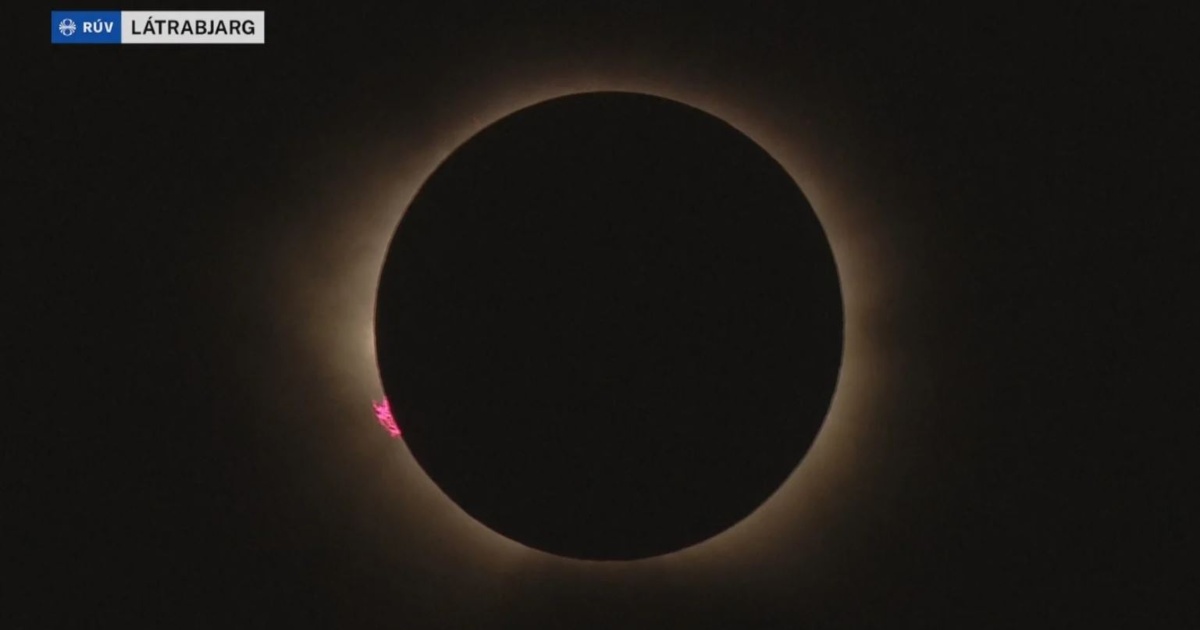
Meanwhile, Spain was buzzing with a similar kind of astronomical fever. The country experienced its first total solar eclipse in more than a century, drawing massive crowds of eclipse chasers eager to experience the fleeting moments of midday darkness.
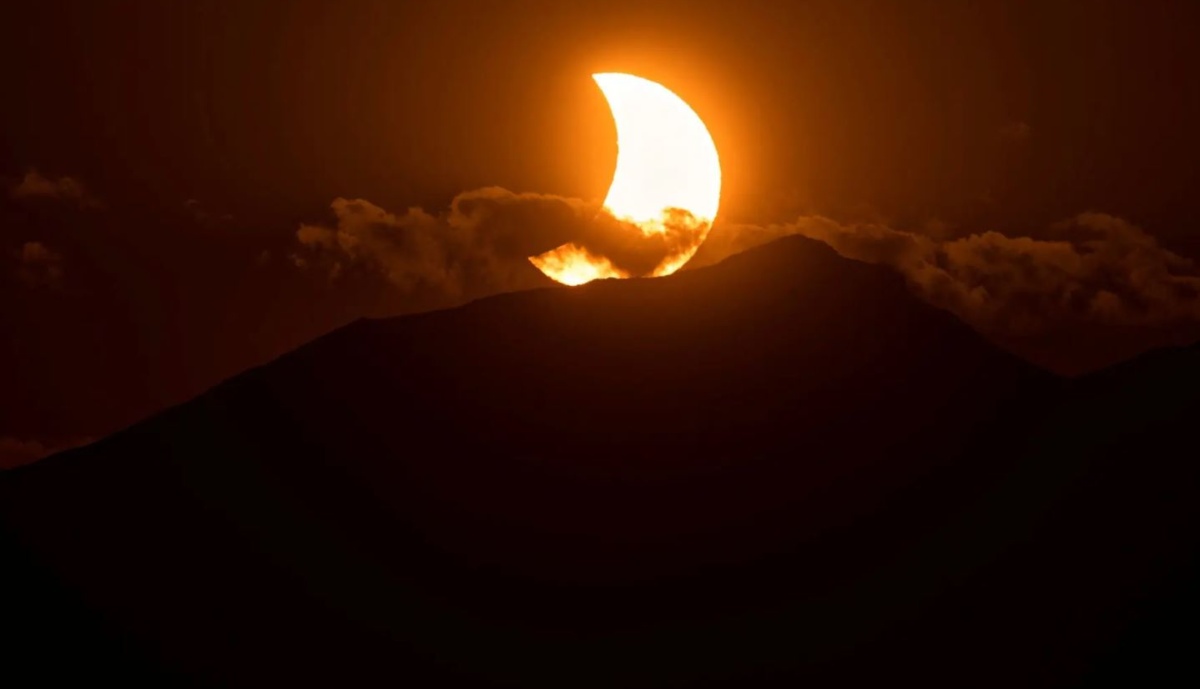
Following the Path of Totality
Only those positioned inside the path of totality saw the main event. The lunar shadow began its journey over Siberian Russia before sweeping across Greenland and Iceland.
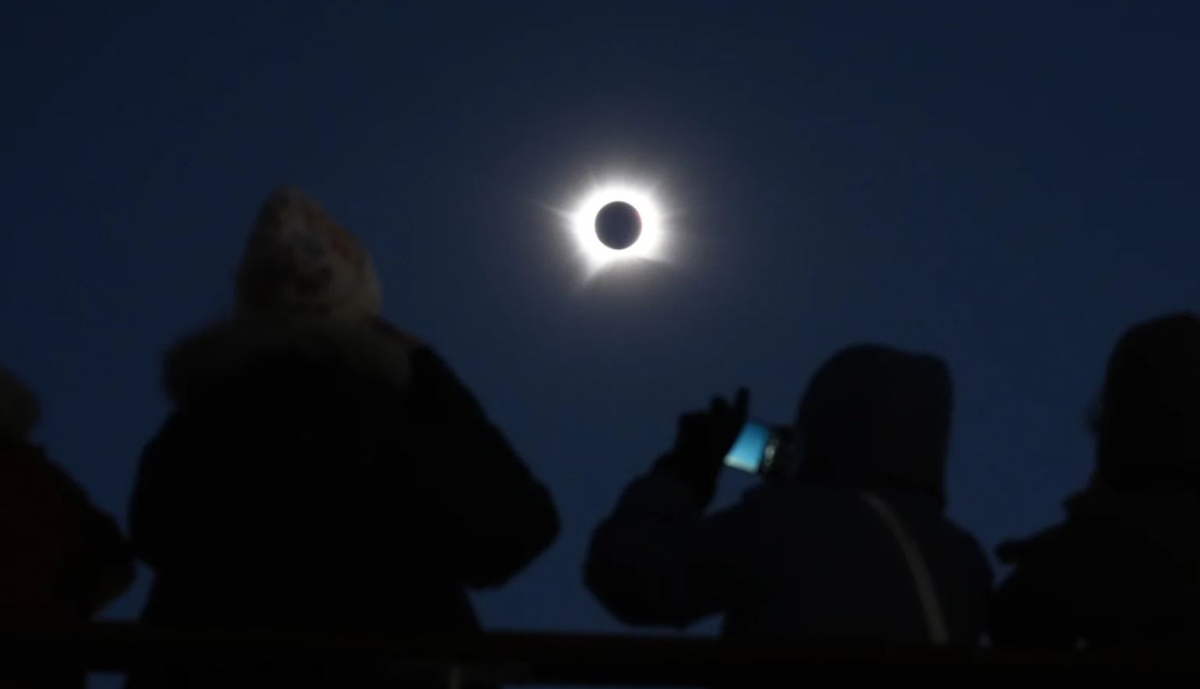
From there, the eclipse tracked down through the Atlantic Ocean, hitting northern Spain before finally clipping a small part of Portugal. Those standing exactly in this track got to see the moon completely block the sun’s face, revealing the ethereal solar corona in all its glory.
The Partial Eclipse Experience Across the World
The celestial show was delivered even for those outside the main track. A partial eclipse reached a much wider footprint, covering parts of Europe, Canada, the northern U.S., and northwest Africa.
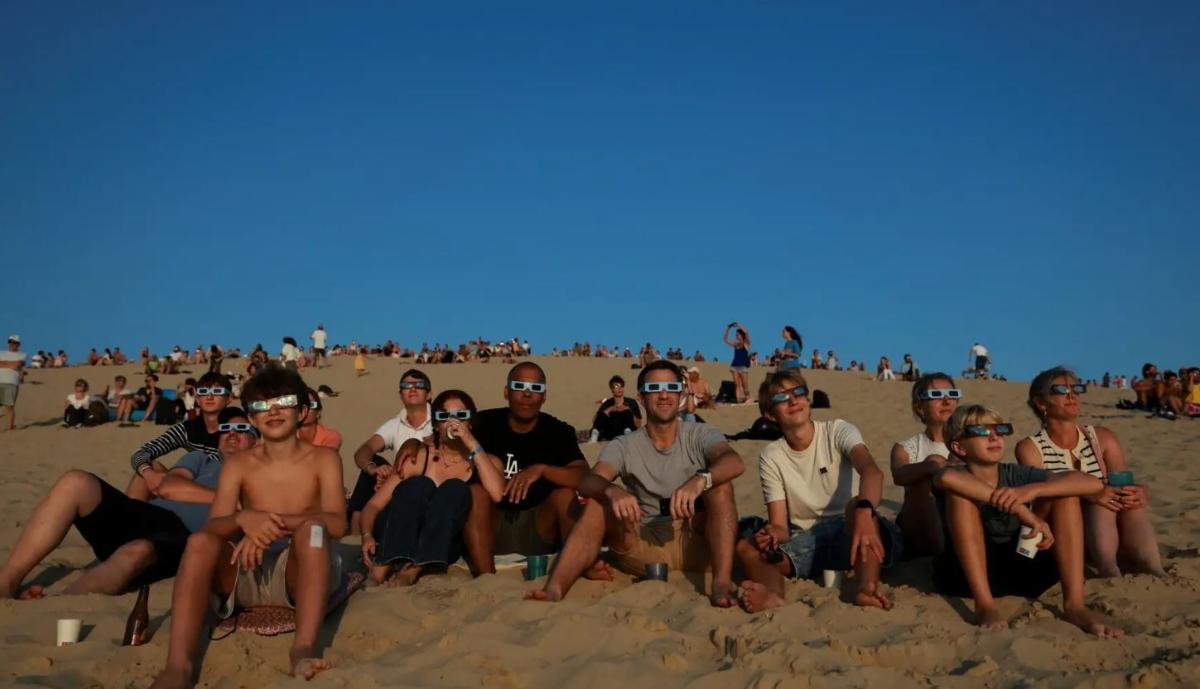
European cities saw incredible views. The sun was approximately 90% to 95% obscured in the UK, turning a regular Wednesday afternoon into an eerie twilight. Over in France, Paris saw a highly respectable 92% coverage, while stargazers in Berlin experienced 85% solar coverage.

Across the Atlantic, the partial phase was also visible in the United States. Boston saw 16% coverage at 1:55 p.m., and New York City experienced 9% to 10% coverage.
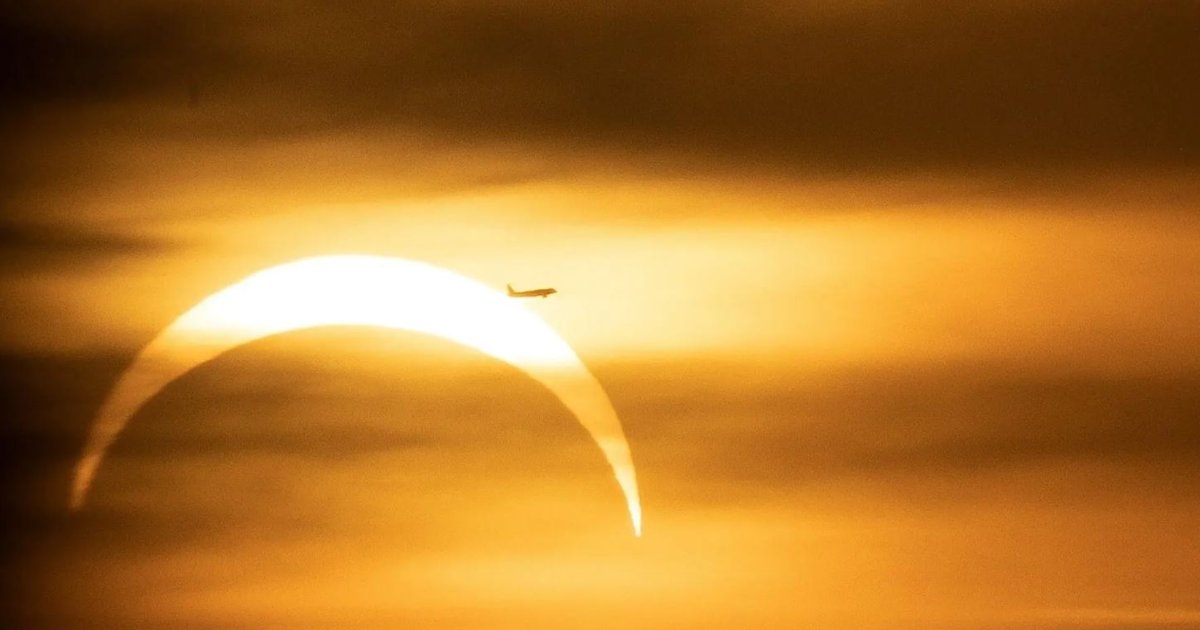
Chasing the Shadow From 50,000 Feet
While millions looked up from the ground, scientists took to the skies to make the most of the phenomenon. NASA flew a WB-57 aircraft equipped with specialised cameras at 50,000 feet near Iceland. The plane flew right along the path of totality to study the solar corona without weather getting in the way.
“The eclipse basically lets us see the Sun at night,” Amir Caspi explained during the event. He noted that these moments offer a priceless scientific opportunity. “The Sun is always changing. Every eclipse is different. So we could see things we didn’t see before.”
NASA’s Kelly Korreck echoed that sentiment. She said, “From our unique perspective on Earth during a total solar eclipse, scientists can study the Sun’s corona in a way we can’t from anywhere else in the solar system.”
Spain’s Security Operation and Economic Boom
Hosting a once-in-a-century eclipse comes with monumental challenges. With millions of tourists descending on northern Spain, local authorities mounted a staggering logistical operation.
The Spanish government anticipated nearly 450,000 extra tourists, providing a hefty 347-million-euro boost to the economy. Up to 6 million visitors were expected in rural areas and the Balearic Islands alone. To manage the crowds, regional governments designated 660 official viewing sites with dedicated parking and camping areas.
On the security front, Interior Minister Fernando Grande-Marlaska stated that 25,000 police officers were mobilised. Some reports placed the figure at over 35,000. Their primary goal was to manage the huge volume of tourists and minimise serious environmental risks, such as wildfires caused by dropped cigarettes during the large outdoor gatherings.
This is far from the last chance to catch a total eclipse on European soil. Wednesday’s spectacle was the first of two successive years, with another set to occur on August 2, 2027. That event will be the longest in the remainder of our lifetimes. Totality will exceed six minutes, making this week’s display look like a mere warm-up act.
FAQs
1. Where was the 2026 solar eclipse visible?
Totality stretched from Russia to the Iberian Peninsula. Meanwhile, a partial version of the event was visible across most of Europe and North America.
2. How much of the sun was covered in the UK during the eclipse?
The sun was approximately 90% to 95% obscured across the UK during the partial phase.
3. Why was the eclipse so special for Iceland and Spain?
Spain experienced its first total solar eclipse in over a century. Reykjavik, Iceland, had not seen one since 1433.
4. How did scientists study the solar eclipse?
NASA flew a WB-57 aircraft equipped with cameras at 50,000 feet near Iceland to study the sun’s corona during the path of totality.
5. When is the next total solar eclipse in Europe?
The next total solar eclipse occurs on August 2, 2027, and will be the longest in the remainder of our lifetimes, with totality exceeding six minutes.
Stay tuned to Brandsynario for Latest International News and updates

 Join a Channel
 Brandsynario
 Veryfilmi