

















The newly announced US-Iran deal has pushed oil prices lower. This has stoked hopes of cheaper fuel, food, and transport costs across the globe. However, economists warn that while markets react instantly, consumers may have to wait weeks or even months to see meaningful relief in their wallets.
Key Takeaways
- Brent crude has fallen from nearly $120 per barrel during the conflict to around $83.55 per barrel.
- 20% of global oil and LNG supplies normally pass through the Strait of Hormuz.
- A formal signing ceremony for the US-Iran deal is expected on Friday.
Falling Oil Prices
Markets had a positive response as news of the US-Iran deal reduced fears of prolonged disruptions in global energy supplies. Oil traders quickly adjusted expectations, sending crude prices downward after months of uncertainty.
Gasoline prices have also begun to ease up. In the United States, the national average fuel price recently dipped below $4 per gallon for the first time since April. Analysts say falling oil prices could continue if both countries stick to the agreement and commercial shipping resumes smoothly.
The Strait of Hormuz
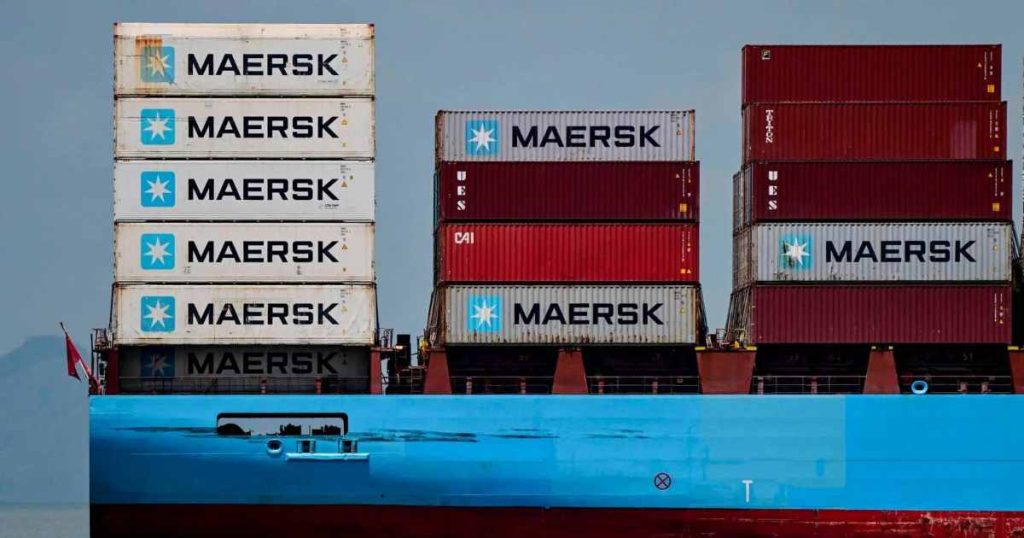
Hundreds of vessels remain stranded in the Gulf after months of conflict. Shipping giants including Maersk and Hapag-Lloyd are still assessing conditions before going back to their normal operations.
There have been concerns over:
- Sea mines
- Insurance costs
- Route safety
These factors have decelerated any progress in the Strait of Hormuz. As a result, the success of the US-Iran deal will largely depend on how quickly the Strait of Hormuz returns to pre-war activity levels.
Fuel Prices Won’t Go Down in a Blink
Consumers tend to assume lower oil prices will immediately translate into cheaper fuel. Unfortunately, that is not often the case. Industry experts have noted that while fuel prices shoot up rapidly, they take their sweet time when coming down. Refiners, distributors, and retailers all need time to adjust pricing structures after major market shifts.
“There is a saying that pump prices rise like a rocket and fall like a feather, and that holds.”
Analysts estimate that it can take several weeks for lower crude prices to fully filter through to petrol and diesel stations. In some regions, recovery could take much longer.
Food Prices Could Benefit, Too
The cost of the conflict was not limited to energy markets. Fertiliser prices also surged because natural gas and petroleum products are key ingredients in agricultural production.
A functioning Strait of Hormuz could improve fertiliser supply chains and reduce costs for farming operations worldwide. However, agricultural experts caution that some crop seasons have already begun, meaning immediate benefits may be limited.
What It Means for the Wider Economy
Lower energy prices could ease inflation pressures that have troubled economies across the globe since the conflict began.
Central banks in several countries delayed interest-rate cuts as oil prices surged. Now, investors are reassessing those expectations. Lower inflation could encourage businesses to invest, boost consumer spending, and support housing markets that have cooled in recent months.
The Bottom Line
The US-Iran deal has delivered an immediate confidence boost to global markets. Oil prices are falling, shipping companies are preparing for a return to normal operations, and inflation concerns have eased.
Still, consumers shouldn’t expect instant savings. The path from diplomatic agreement to lower everyday costs is rarely quick. For now, the world is watching the Strait of Hormuz, because its reopening may determine how much economic relief actually arrives.
FAQs
1. Will gas prices fall immediately?
Gas price reductions typically take several weeks.
2. Why is the Strait of Hormuz important?
Strait of Hormuz is important because it carries around 20% of global oil and LNG supplies.
3. Could food prices become cheaper?
Potentially, if fertiliser and energy costs continue falling, then food could become cheaper.

 Join a Channel
 Brandsynario
 Veryfilmi