

















An agreement between the United States and Iran may have finally put an end to the region’s most harrowing conflict in recent times. The agreement between the two countries was announced on June 14, 2026. It entails a roadmap to end hostilities and reopen key trade routes.
Key Takeaways
- $24 billion in frozen Iranian assets could be released during a 60-day negotiation period.
- The agreement aims to reopen the Strait of Hormuz.
- A formal signing ceremony is expected in Geneva on June 19.
What Is the US-Iran 14 Point Deal?
The much-discussed US-Iran 14-point deal is a preliminary peace framework brokered by Pakistan and Qatar after more than 100 days of conflict between Washington and Tehran.
The agreement was electronically endorsed by US President Donald Trump, Vice President JD Vance, and Iranian Parliament Speaker Mohammad Bagher Ghalibaf. The framework serves as a temporary 60-day ceasefire until both sides are able to arrive at a more permanent settlement.
Provisions Included in the Agreement
The focal point of the US-Iran 14-point deal is an immediate end to military operations in every region.
Some of the other commitments are to:
- Reopen the Strait of Hormuz within 30 days
- Lift the US naval blockade on Iranian ports
- Suspend sanctions on Iranian oil and petrochemical exports
- Release $24 billion in frozen Iranian assets in phases
- Pull back US forces stationed near Iran
- Avoid new sanctions during negotiations
- Reaffirm Iran’s commitment not to develop nuclear weapons
- Present reconstruction proposals worth at least $300 billion for war-damaged areas
With these measures, the most pressing tensions will be wrapped up quickly. Through this, more complicated negotiations can be discussed with ease.
The Issues Deliberately Left Off the Table
Although the framework appears comprehensive, negotiators intentionally postponed some of the most contentious topics.
Notably, discussions surrounding Iran’s ballistic missile program and its support for regional allied groups have been excluded from the current agreement. Those issues are expected to remain outside the agenda during the initial negotiation phase.
Meanwhile, questions surrounding uranium enrichment limits, Iran’s stockpile of highly enriched uranium, and long-term sanctions relief will be addressed during the upcoming 60-day talks.
The Value of the Strait of Hormuz
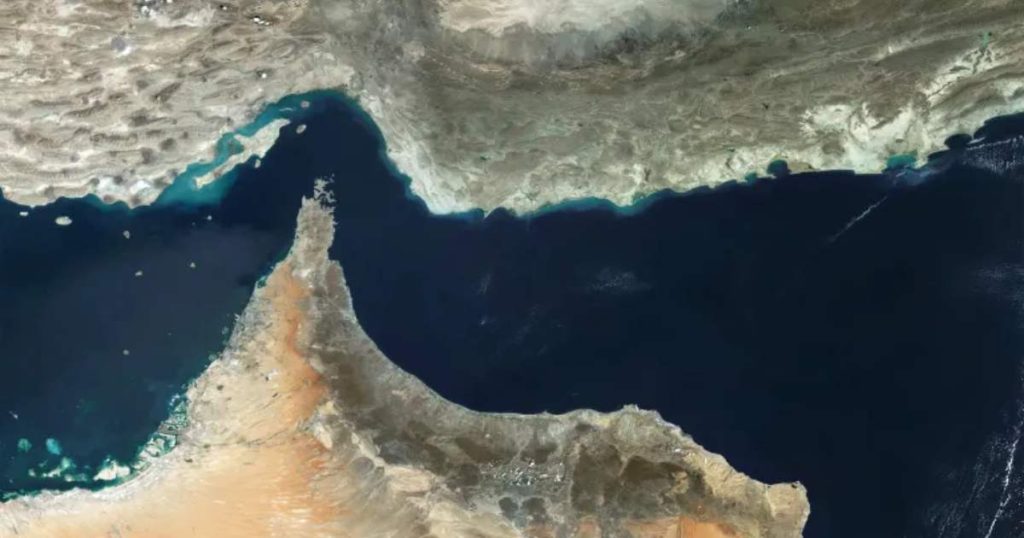
The strategic waterway is a vital artery for global energy markets. Before the conflict, roughly one-fifth of the world’s oil and liquefied natural gas shipments passed through the route.
President Trump announced that shipping traffic would resume following mine-clearing operations. However, Iranian officials have also floated the idea of charging maritime service fees in coordination with Oman, striking up a new point of debate.
Challenges That Remain
Iranian officials insist that key US commitments, including lifting restrictions and releasing funds, must be fulfilled before final negotiations begin. Washington, however, argues that economic benefits will depend on Iranian compliance.
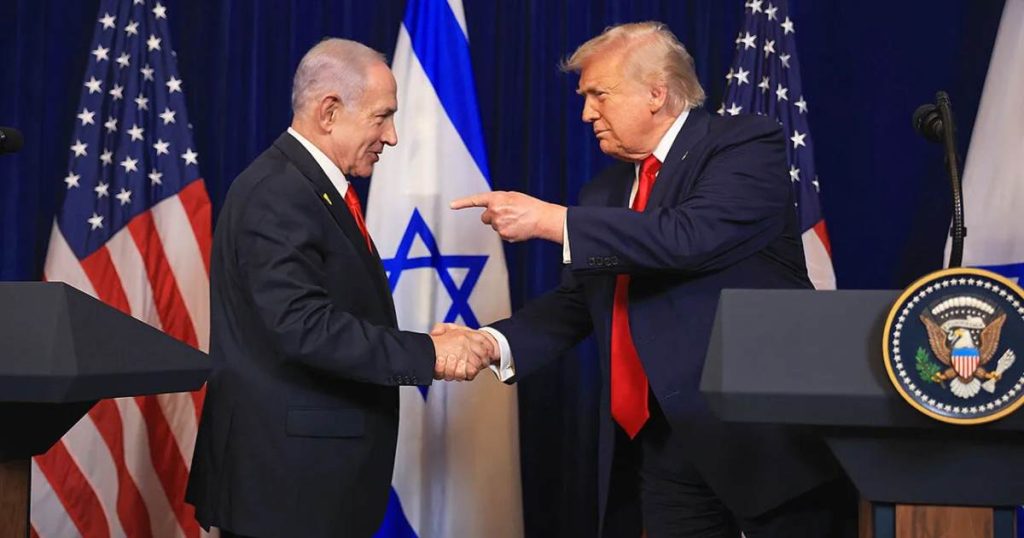
Another major uncertainty is that of Israel. Israeli Prime Minister Benjamin Netanyahu has indicated that military forces may remain in security zones in Lebanon and Gaza.
As negotiations move toward Geneva, the US-Iran 14-point deal will face its toughest test: turning a shaky temporary framework into a firmly lasting peace agreement.
FAQs
1. When will the agreement be formally signed?
The signing ceremony is expected on June 19, 2026, in Geneva.
2. How much money could Iran receive under the deal?
The framework for Iran includes the phased release of $24 billion in frozen assets.
3. Does the deal address Iran’s missile program?
No, issues regarding Iran’s missile program have been excluded from the current agreement.
Stay tuned to Brandsynario for latest news and updates

 Join a Channel
 Brandsynario
 Veryfilmi