















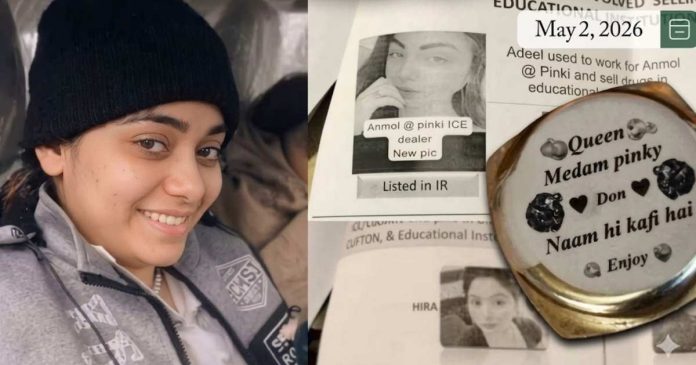

The streets of Karachi have seen many kingpins, but none quite like Anmol, better known in the underworld as Pinky. For years, she operated in the shadows, building a narcotics empire that bridged the gap between elite high-society parties and a ruthless criminal network. Her story is a chilling look at how a teenage runaway transformed herself into the Cocaine Queen.
From altering her own self to evade the law to allegedly marrying into the police force, Pinky’s journey is a saga of addiction and systemic corruption.
The Transformation: From Model to Kingpin
Anmol’s journey began in 1995 in the humble neighbourhood of Baloch Para. At just 14 years old, she fled her home with dreams of becoming a fashion model. However, the glitz of the modelling world quickly led her into the dark underbelly of Karachi’s nightlife. She began frequenting dance parties, where she built a network of wealthy and influential contacts.

Instead of just consuming the lifestyle, she decided to own it. Anmol pinky realised that the elite circles she ran in were hungry for high-quality narcotics. She used her charm and connections to pivot from a guest at these parties to their primary supplier. By her early twenties, she had moved from being a runaway to a woman who commanded respect and fear in the narcotics trade.
Building the Queen Madam Pinky Brand
Pinky did not just sell drugs; she manufactured a lifestyle. She reportedly spent hours researching cocaine production and chemical formulas online. This led to the creation of her signature product, branded as Queen Madam Pinky.
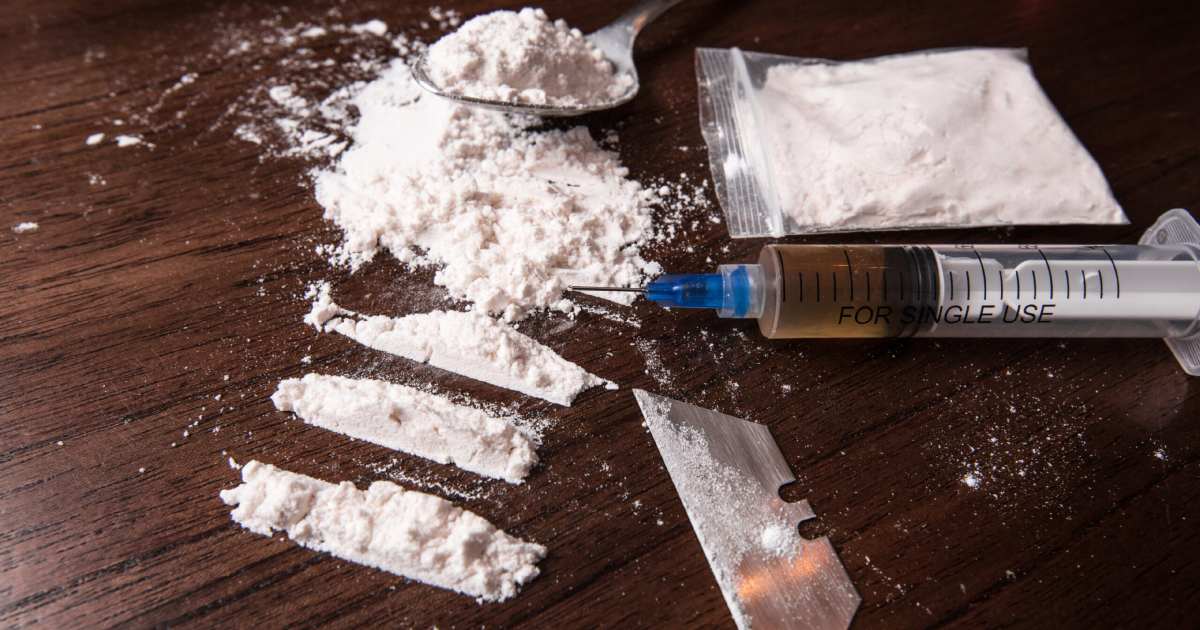
To make her product stand out and ensure addiction among her clientele, she developed a specific cocktail. Her recipe included:
- Pure Cocaine: The base of her high-end product.
- Ketamine: Added to enhance the dissociative effects.
- Acetone: Used to refine the mixture and increase its potency.
This lethal combination made her the go-to supplier for Karachi’s wealthiest drug users. She marketed herself as a premium provider, catering to a niche market that valued quality and discretion above all else.
A Network Protected by Influence
One of the most shocking aspects of Pinky’s story is her alleged ties to law enforcement. Investigators believe she utilised her personal relationships to build a wall of protection around her business.
- The Marriage Strategy: Reports suggest that Anmol Pinky married a high-ranking police official (a DSP) in Lahore. This marriage allegedly provided her with the cover she needed to transport drugs across provincial borders without interference.
- Property as Currency: She reportedly used drug money to purchase luxury bungalows for her husband. These assets served as both a bribe and a safe house for her operations.
- Institutional Silence: For years, Pinky remained untouchable. Every time a law enforcement agency got close, she allegedly used her high-level connections or massive bribes to bury the investigation.
Operational Brilliance: The Logistics of a Cartel
Pinky’s operation was as organised as any legitimate corporation. She utilised a compartmentalised system where one person never knew the full details of the entire chain. This prevented the police from taking down the whole network if one person was caught.
- Transportation: She avoided using traditional smuggling routes. Instead, she hired female couriers to transport large quantities of drugs from Lahore to Karachi via the railway system. She believed that police were less likely to search women on public trains.
- The Last Mile Delivery: Once the drugs reached Karachi, a fleet of motorcycle riders would collect the parcels. They used encrypted messaging apps to receive delivery coordinates, bringing the product directly to the buyer’s doorstep.
- Nationwide Reach: While Karachi was her base, her influence stretched to Islamabad, Multan, and even the northern areas like Gilgit-Baltistan.
Desperate Measures: Acid and Evasion
As the federal agencies began to tighten the noose, Anmol Pinky’s actions became more extreme. She knew that her fingerprints were the only thing that could definitively link her to her past crimes.
In a move straight out of a thriller movie, she reportedly poured acid on her own fingertips. She intentionally destroyed her skin to ensure that biometric scanners would fail to identify her. This act of self-mutilation shows the level of desperation she felt to remain anonymous.
Furthermore, she claimed during interrogation that she was paying millions of rupees in monthly protection money to corrupt officials to keep her business running.
The Final Arrest and the VIP Controversy
The reign of the Cocaine Queen finally ended in May 2026. A joint operation by the Karachi Police and intelligence agencies tracked her to the Garden area. During the raid, police recovered a significant amount of cocaine, a pistol, and several rounds of ammunition.
View this post on Instagram
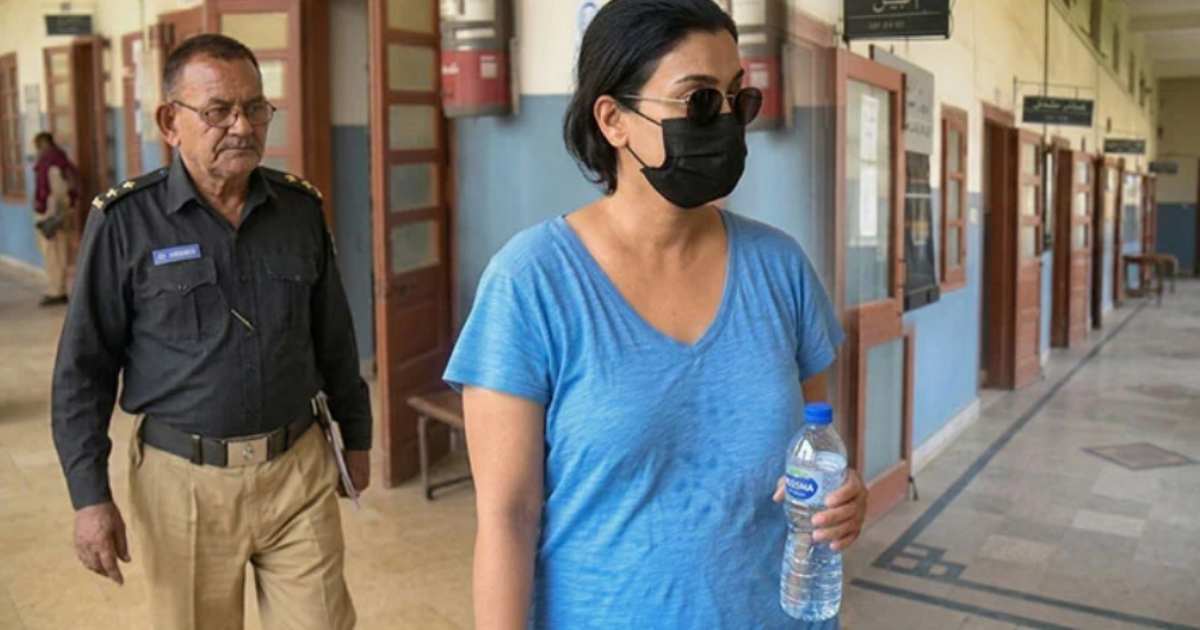
However, her arrest sparked fresh controversy. When she appeared in court, she was not handcuffed and appeared to be receiving VIP protocol from the officers escorting her. This public display of leniency led to an immediate inquiry by the Sindh Home Minister. The government is now investigating why a major drug trafficker was treated with such decency by the very people tasked with stopping her.
The downfall of Anmol Pinky marks a significant victory for Karachi’s anti-narcotics teams, but it also exposes the deep-rooted corruption within the system. Her story is a reminder that behind the glamour of high-society parties often lies a dangerous world of addiction and crime. While Pinky is now behind bars, the investigation into her money trail and her protectors continues.
This case serves as a warning that no matter how much money or influence a criminal gathers, the law eventually catches up, even if they try to burn away their identity.
Stay tuned to Brandsynario for latest news and updates

 Join a Channel
 Brandsynario
 Veryfilmi