















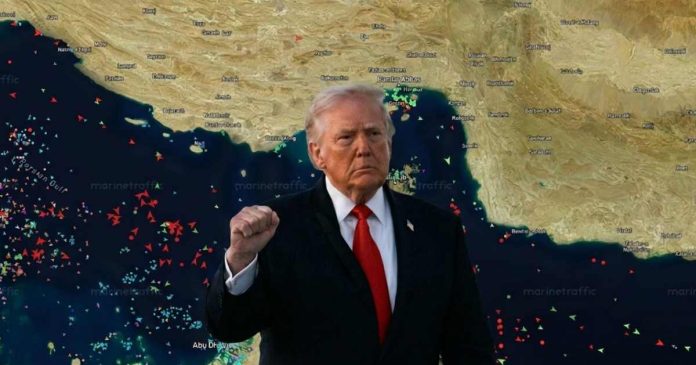

The Strait of Hormuz blockade has been imposed, and the fragile ceasefire between the United States and Iran is being put to the test.
The ceasefire was meant to create space for diplomacy. However, the pause in hostilities has only led to increased instability as military actions and aggressive posturing take over the narrative.
US Tightens Grip on Maritime Traffic
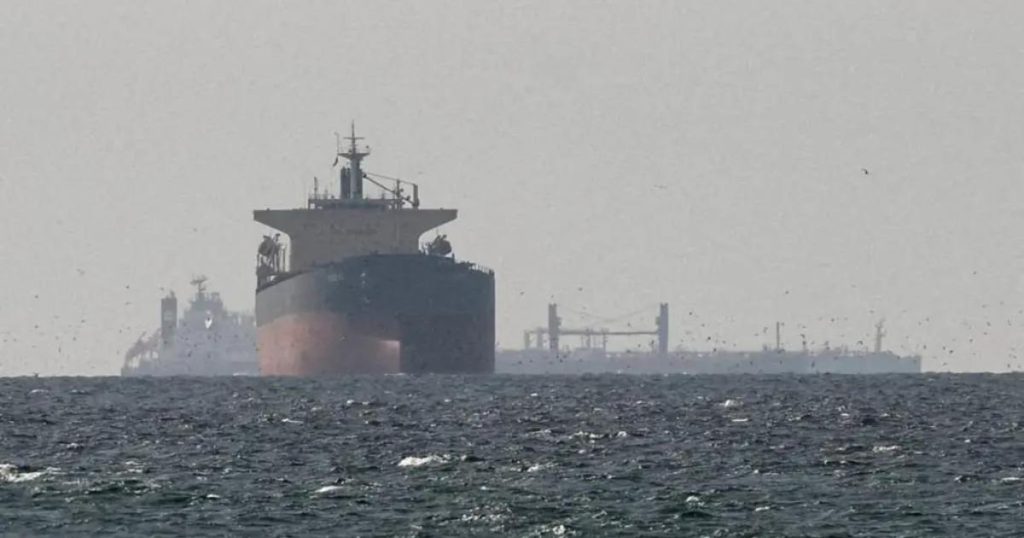
The United States has imposed a large-scale naval blockade on all ships entering and exiting Iranian ports. US Central Command stated that the move would be “enforced impartially against vessels of all nations,” clarifying that no exceptions would be made.
Washington also confirmed that authorities will not block neutral vessels passing through the Strait of Hormuz if they have no links to Iran. The Strait of Hormuz blockade has already disrupted global shipping routes.
Iran Labels Move “Piracy”
Iran has sharply condemned the blockade, stating that it is “akin to piracy” and warned that there would be severe consequences if it continues. Officials stated that any foreign military presence in the strait violates the ceasefire agreement.
Iran further warned that restricting access to its ports would destabilize the entire Gulf region. They claimed that targeting Iranian maritime activity during the Strait of Hormuz blockade would leave no port safe.
Trump Reinforces Hardline Approach
US President Donald Trump confirmed the blockade was fully in place and stated that it would remain that way. “Right now, there’s no fighting. Right now we have a blockade,” he said, adding that Iran was doing “absolutely no business.”
He also issued a firm warning: “If any of these ships come anywhere close to our BLOCKADE, they will be immediately ELIMINATED.” These statements rekindled global concern as the Strait of Hormuz blockade seems to be a pressure tactic instead of a temporary measure.
Global Allies Distance Themselves
The international response remains cautious. Key U.S. allies have refused to participate in the blockade. Britain and France have declined involvement and instead proposed a neutral mission to protect maritime navigation.
International voices continue to push for restraint. China has criticised the fragility of the ceasefire and Chinese Foreign Minister Wang Yi urged all parties to refrain from involving themselves or acting in a way that leads to escalation.

Diplomacy Struggles to Keep Pace
The situation is heating up, but diplomatic channels remain open. Pakistan has offered to host another round of talks after negotiations in Islamabad were not able to produce results. The primary sore spot remains Iran’s nuclear programme, which obstructs the chances of resolution between the two.
Diplomatic progress is stalled as the blockade has become the central pressure point of the conflict. If it goes on, it would undo weeks of peace efforts.
Final Thoughts
The ceasefire is nearing its deadline, and the situation has refused to simmer down. The blockade isn’t a tactical move; it will define the next chapter of this conflict.
The outcome will dictate the nature of U.S.-Iran relations. Its effects will ripple across global energy markets and regional security. The world is on watch as the window for diplomacy narrows.
Stay tuned to Brandsynario World for latest news and updates

 Join a Channel
 Brandsynario
 Veryfilmi