

















An MQM leader has spoken out about the recent matric exams in Karachi. The latest criticism points to widespread mismanagement and raises concerns regarding transparency and student welfare. Administrative failure and political controversies overshadow a defining moment in the students’ academic journey.
Centre Allocation
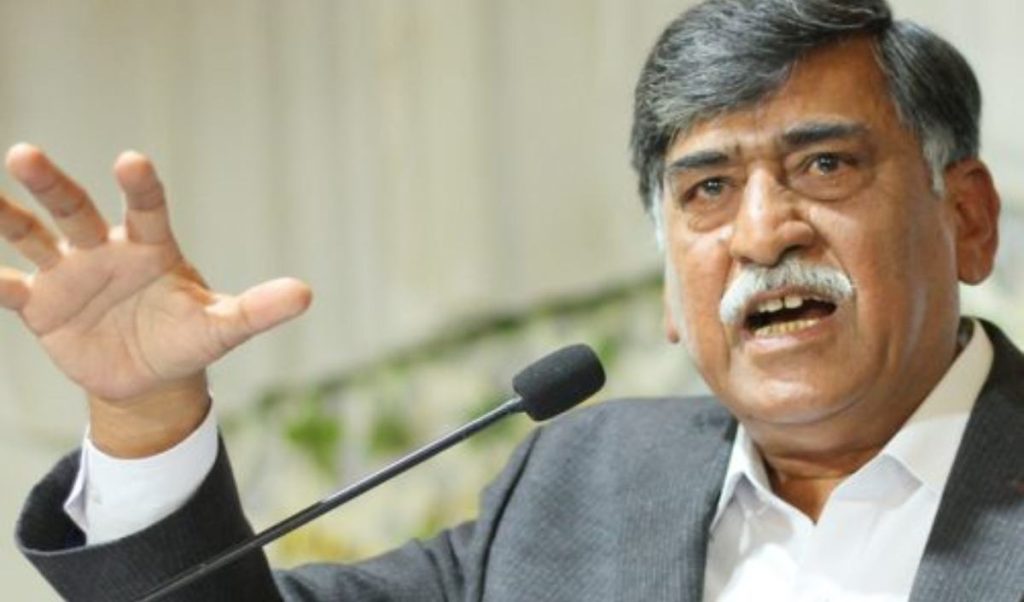
Muhajir Qaumi Movement Chairman Afaq Ahmed has criticised the handling of matric exams in Karachi and emphasised the systemic discrimination in the allocation of examination centres. His statement highlighted that authorities sent government school students to far-off districts and rural locations. This would add to their examination stress by forcing them to travel long and exhausting routes.
Ahmed alleges that the board deliberately assigns private school students to centres closer to their homes to maximise their convenience. He claims this contrast reflects a deeper pattern of unequal treatment within the system, which disadvantages public school students and disrupts their exam experience from the start. The MQM Chairman also claimed that recent appointments in the Board of Secondary Education Karachi were made on political grounds.
“Sale” of Centres
The allegations got even more serious as claims were put forward that examination centres are being “sold” for considerable sums. Ahmed described this as a shameful act where private school operators secure favourable centres through financial influence. He added that these institutions cover this cost by charging their students extra amounts per paper.
The real alarm bell behind these allegations is that such arrangements would result in organised cheating. If the institute facilitates cheating, it raises questions about the credibility of the matric exam system and the value of the results that are issued.
Administrative Failures Add to Chaos
Centre allocation wasn’t the only concern. Severe administrative lapses caused considerable hindrances to students. Delays in issuing admit cards forced thousands of students and parents to wait outside board offices in frustration. This lack of basic organisation added to the anxiety surrounding matric exams.
In some cases, authorities changed examination centres mid-paper. Officials allegedly asked students to relocate while they attempted their exams. This disrupted their performance and created unnecessary confusion. Such last-minute decisions point to poor planning and execution on the Board of Secondary Education’s end.
A Wider Crisis of Trust
This criticism isn’t mere logistics and is part of a broader political and educational debate. MQM leaders such as Dr Farooq Sattar have previously linked these issues to systemic inequality, claiming that urban students face lower passing rates compared to those in interior Sindh.
It is yet to be seen whether these allegations hold or not. Regardless of the outcome, the current situation is a blow to public confidence. Scrutiny is at high, and authorities need to respond in a way that restores trust in Karachi’s matric exam system.
Stay tuned to Brandsynario for latest world news and updates

 Join a Channel
 Brandsynario
 Veryfilmi