

















The abrupt two-week ceasefire between Iran and the US has flipped global markets on their head. Oil prices have been sent tumbling, and investors get to breathe again.
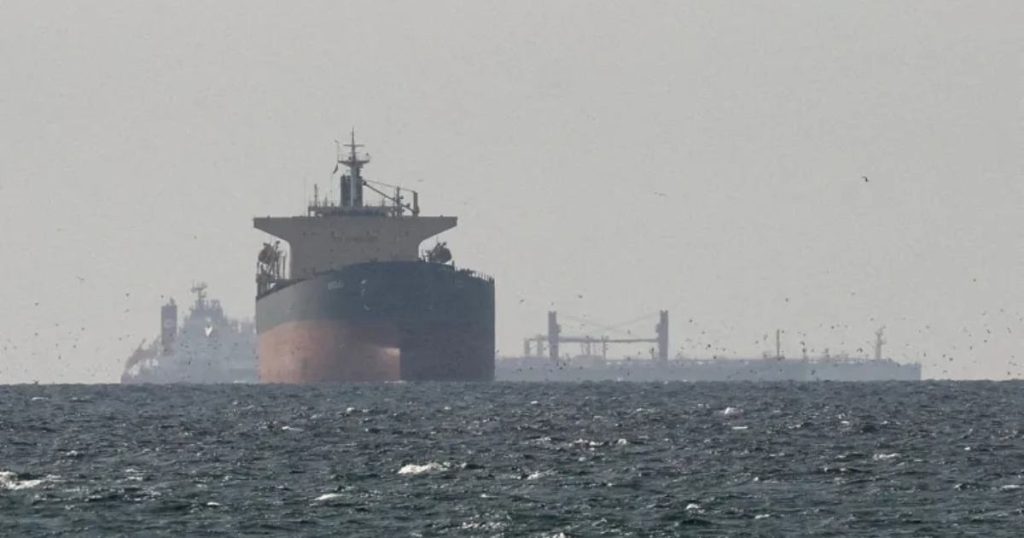
The announcement of the two-week truce between the United States and Iran led to an immediate financial rebound. Oil prices plunged, and global stock markets surged in various regions. This was brought as hopes grew for the reopening of the Strait of Hormuz, the waterway that carries almost 20% of the world’s oil and gas.
Oil Prices Drop
Energy markets had the most dramatic reaction to the ceasefire. Brent crude dropped nearly 13% to around $94.80 per barrel, while U.S. crude fell over 15% to roughly $95.75. While the fall has been significant, they have yet to return to what they were before the conflict, which was around $70.
The decline in prices is directly related to optimism around the Strait of Hormuz reopening. Iran confirmed it would allow safe transit if attacks stopped, and fears of a prolonged blockade were eased. Traders adjusted positions, and oil prices were pulled down.
Stocks Surge in Global Markets
Equity markets rallied sharply across regions when oil prices fell. Investors rushed back into risk assets when news broke of geopolitical tensions easing.
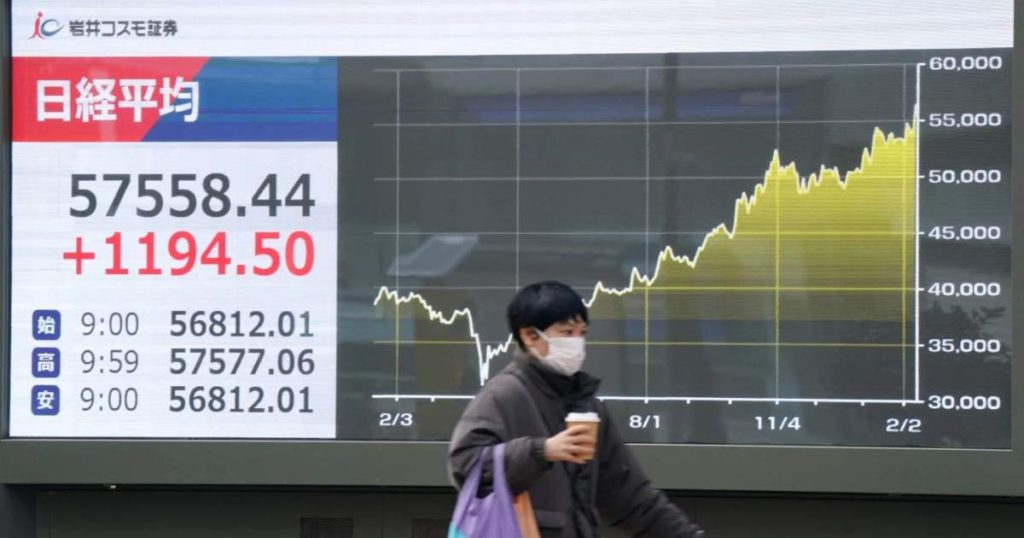
U.S. stock futures rose more than 2%, and European markets exceeded this with a 5% gain. Asian markets led the game as Japan’s Nikkei rose around 5% and South Korea’s Kospi jumped nearly 6%. Hong Kong and Australia also noted strong gains. Investor confidence was renewed after weeks of uncertainty. Managing partner of Harris Financial Group, Jamie Fox, noted, “Markets have been predicting that Trump was looking for an off-ramp in Iran… Today, he got one and took it.”
Broad Market Reset
The impact of the ceasefire wasn’t limited to stocks and oil prices. U.S. Treasury yields were pushed lower, and the dollar weakened as a result. Currencies like the euro and Australian dollar gained strength.
Experts advise investors to remain cautious. While it may be a good start and lead to a permanent reopening, there are still a lot of factors left to be worked out. While optimism is a good response, the uncertainty that remains around the situation must be taken into consideration as well.
Pakistan Stock Market Reacts
The PSX witnessed a remarkable “risk-on” rally as investors reacted to the diplomatic agreement. The drop in global oil prices is set to ease the pressure on Pakistan’s foreign exchange reserves and lower the cost of energy imports.
The PSX saw a historic surge as the KSE-100 index went up by 12,362.38 points (8.15%) and reached a record high of 164,035.83. The market was put under a mandatory one-hour trading halt after the index crossed 5% within the first few minutes.
Will this Change Last?
The ceasefire may have calmed down markets, but hurdles remain in the way. Energy infrastructure has suffered critical damage, and production recovery will take a considerable amount of time. While oil prices have fallen, they remain above pre-conflict levels.
Investors are keeping a watch on whether the shipping activity in the Strait of Hormuz goes back to normal. Recovery may only hold if insurers and tanker operators remain confident. For now, markets get to celebrate the relief.
Stay tuned to Brandsynario for latest news and updates

 Join a Channel
 Brandsynario
 Veryfilmi