















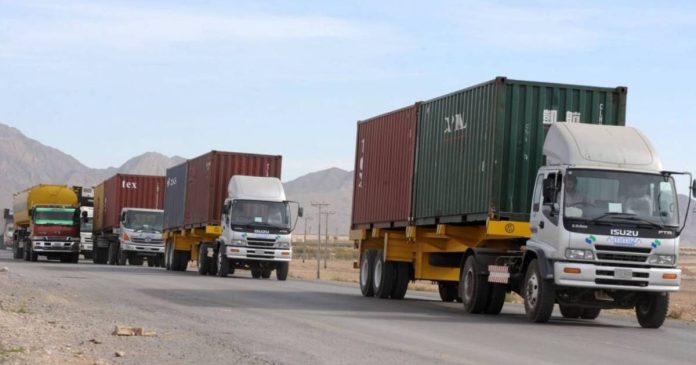

If you thought the petrol hike would just make your commute expensive, here’s another curveball: transporting goods across Pakistan just got a lot more expensive too.
The Pakistan Goods Transport Alliance has announced a massive 60% increase in freight fares, triggered by rising petroleum prices. And while this might sound like an industry-specific issue, the ripple effects are about to hit everyday consumers.
What’s Behind the Hike?
At the centre of this surge is fuel. With petroleum prices climbing steadily, transporters say they simply can’t keep operating at previous rates. Fuel is one of the highest costs in logistics, and when it spikes, everything else follows.
Why It Matters to You
Here’s the real impact: almost everything you buy depends on transportation.
From groceries and electronics to clothing and construction materials, higher freight costs mean higher retail prices. Businesses will likely pass on these added expenses to consumers, making daily essentials even less affordable.
Businesses Are Feeling the Heat Too
Small and medium-sized businesses could take the biggest hit. Many already operate on tight margins, and a sudden 60% jump in logistics costs could force tough choices:
- Raise prices (and risk losing customers)
- Cut costs elsewhere
- Or absorb losses
None of these options is ideal.
What’s Next?
Unless fuel prices stabilise, this could be just the beginning. More fare revisions may follow, and inflation could climb further in the coming months.
For consumers, it’s a reminder of how deeply fuel prices shape the economy. For policymakers, it’s yet another pressure point demanding attention.
Stay tuned to Brandsynario for latest news and updates

 Join a Channel
 Brandsynario
 Veryfilmi