
















The Middle East conflict has aggravated after Iran launched a new wave of missiles toward Israel early Thursday. Air raid sirens echoed across Israeli cities as millions of residents rushed to bomb shelters, and defence systems worked to intercept the incoming threats in time.
This marks the sixth day of confrontation between Israel, the United States, and Iran. With military operations unfolding across several fronts, the situation may spiral into a wider regional war.
Iran Launches Fresh Missile Barrage Toward Israel
After Iran launched missile attacks, explosions echoed across parts of Israel, prompting the military to immediately activate air defence systems. This quick action prevented major damage in several areas.
Meanwhile, the Israeli military launched additional strikes in Lebanon. The attacks focused on positions linked to Hezbollah in Beirut’s southern suburbs. The Iran-backed militant group has warned that it would continue resistance, marking Lebanon as another target in the widening conflict. Additionally, military sites tied to Iran’s security and infrastructure have been targeted by Israeli and American forces.
Naval Strike Raises Stakes in the Conflict
Tensions escalated further when a US submarine reportedly sank an Iranian warship earlier this week in the Indian Ocean. Rescue teams worked to recover bodies as survivors were taken out of the water. This incident emphasises how the war has moved beyond airstrikes and has extended into the naval sector.
Officials have claimed that the United States and Israel are focusing on breaking down Iran’s military capabilities. Israel continues to target facilities linked to Iran’s Revolutionary Guard and internal security forces. Through weakening these networks, military officials hope to take down Iran’s ability to coordinate missile launches and regional operations.
Growing Casualties and Regional Disruption
The human toll of the war is already grim. Officials report more than 1,000 people have died in Iran, and dozens of casualties in Lebanon and Israel have been reported as well.
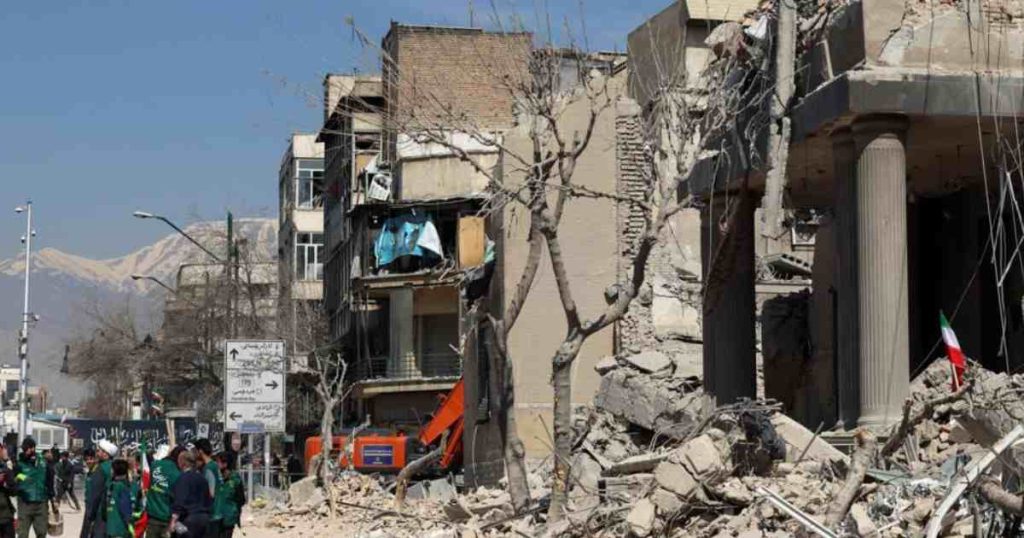
In Lebanon, airstrikes have caused damage to vehicles and major roads, resulting in civilian deaths and mass displacement. Governments across the region have responded to the situation by organising evacuations and issuing warnings to residents to remain alert. Additionally, commercial air travel remains heavily disrupted.
Oil Routes and Global Markets Feel the Pressure
Global energy markets have been severely impacted by the conflict. The Strait of Hormuz, a major oil route, has slowed as security risks rise.
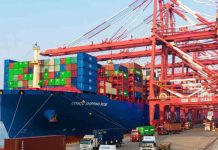
A container ship on its way through the strait was hit by missiles, resulting in a fire onboard before the crew could be evacuated. Analysts warn that this could push oil prices higher and place a strain on the global oil economy.
Leadership Uncertainty Inside Iran
A critical layer to the situation is the political uncertainty inside Iran. The country is yet to select a new supreme leader following the death of Ayatollah Ali Khamenei.
This is a rare moment in Iranian politics. Clerical authorities are working to choose between hardline figures and more moderate options. Despite the chaotic situation, Iran remains determined to confront its adversaries. As of now, Iran remains one of the most closely watched geopolitical crises in the world.
Stay tuned to Brandsynario for latest news and updates

 Join a Channel
 Brandsynario
 Veryfilmi