
















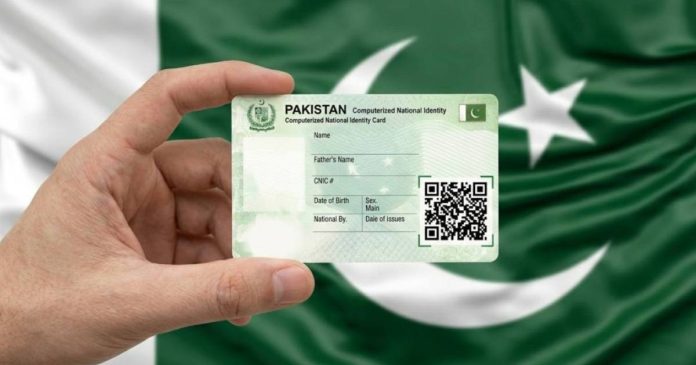

Pakistan has taken a decisive step toward modernising its national identity system by embedding QR-based verification into law. The federal government has officially amended the National Identity Card Rules, 2002, and Pakistan Origin Card Rules, 2002, to strengthen digital authentication and standardised identity formats.
The amendments were issued through official notifications and published in the Gazette on February 24, 2026. According to the National Database and Registration Authority (NADRA), the reforms align with the government’s broader push toward a unified and digitally secure identity framework.
QR Code Formally Recognised as a Security Feature
A central change is the statutory introduction of the QR code as a core security and verification element. The updated rules define QR codes as secure, machine-readable, two-dimensional barcodes capable of storing encoded identity data.
Authorities have also authorised the use of a QR code or any other technological feature in place of the current microchip. This provision allows NADRA to adopt future technologies without repeatedly amending legal frameworks.
Toward a Uniform Identity Card Format
The amendments aim to eliminate the parallel system of chip-based and non-chip identity cards. The new QR-enabled system will streamline this structure into one standardised format.
This unified format simplifies identity management for citizens and institutions alike. It ensures compatibility with both offline and online verification environments, making verification faster and more accessible across sectors.
Integration with Digital Governance Systems
The QR-based upgrade integrates with Pakistan’s National Data Exchange Layer, supporting seamless interoperability among government departments and regulated institutions. Front-end QR scanning enables rapid verification, while back-end systems confirm authenticity in real time.
Officials expect the shift to reduce paperwork and manual processing. Additionally, the digital upgrade aims to minimise risks of fraud, impersonation, and document misuse.
Immediate Suspension Controls to Curb Fraud
Fraud prevention mechanisms have been significantly tightened under the revised rules. If an identity card is suspended, all related authentication and verification services will automatically be blocked.
This measure closes a major loophole as suspended cards can no longer be used through digital channels or institutional systems. Through this, authorities aim to strengthen fraud prevention and protect the integrity of identity credentials.
Stronger Biometrics and Lifetime Cards for Senior Citizens
The updated framework also reinforces biometric authentication standards. Fingerprints and iris scans are now explicitly recognised as approved verification modalities. This expansion reflects a stronger multi-modal biometric foundation and aligns Pakistan with modern global security practices.
Meanwhile, meaningful relief for older citizens has been prioritised as well. Individuals aged 60 and above, including overseas Pakistanis, will now receive identity cards with lifetime validity. These cards will also feature a distinct senior citizen logo, eliminating renewal requirements and administrative burden.
Standardised Identification for AJK Residents
The revised rules also introduce a clear identification requirement for residents of Azad Jammu and Kashmir (AJK). Identity cards issued to AJK residents must bear a specific inscription reflecting their residency status.
In addition, updated specimen formats have been introduced for several categories, including:
-
Resident citizens
-
Overseas Pakistanis
-
Persons with disabilities
-
Organ donors
-
Child registration certificates
-
Combined identity categories
All formats incorporate QR-based security enhancements, ensuring a standardised identity architecture.
A Step Toward a Secure Digital Future
Overall, the reforms significantly strengthen Pakistan’s identity system. By embedding QR verification, expanding biometrics, and tightening fraud controls, the government aims to create a more secure and efficient authentication system nationwide.
As digital governance accelerates, these reforms mark a significant milestone. They position Pakistan for stronger integration, security, and interoperability across public and private sector services.
Stay tuned to Brandsynario for latest news and updates