















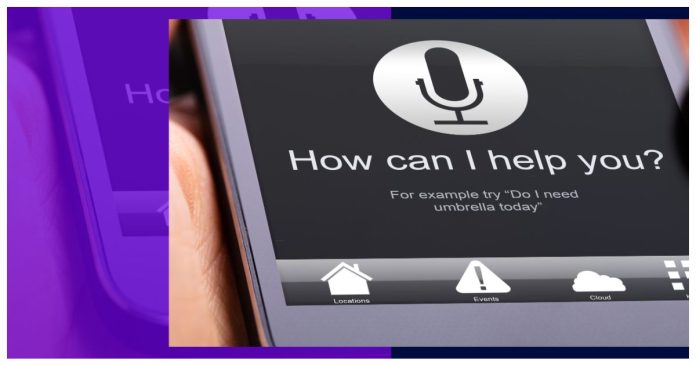

Voice assistants have penetrated modern households, quietly becoming a part of everyday life. Whether it’s Google Assistant, Alexa, Siri, or newer AI-powered voice tools, their usefulness goes far beyond setting alarms.
It’s no surprise that voice assistants are so useful, considering speaking is the most intuitive form of communication for most humans. Nonetheless, here, we try to convince you that such assistants are worth the investment today.
9 Reasons Why You Need A Voice Assistant
1. Voice Controls Don’t Rely On Screen Toggles
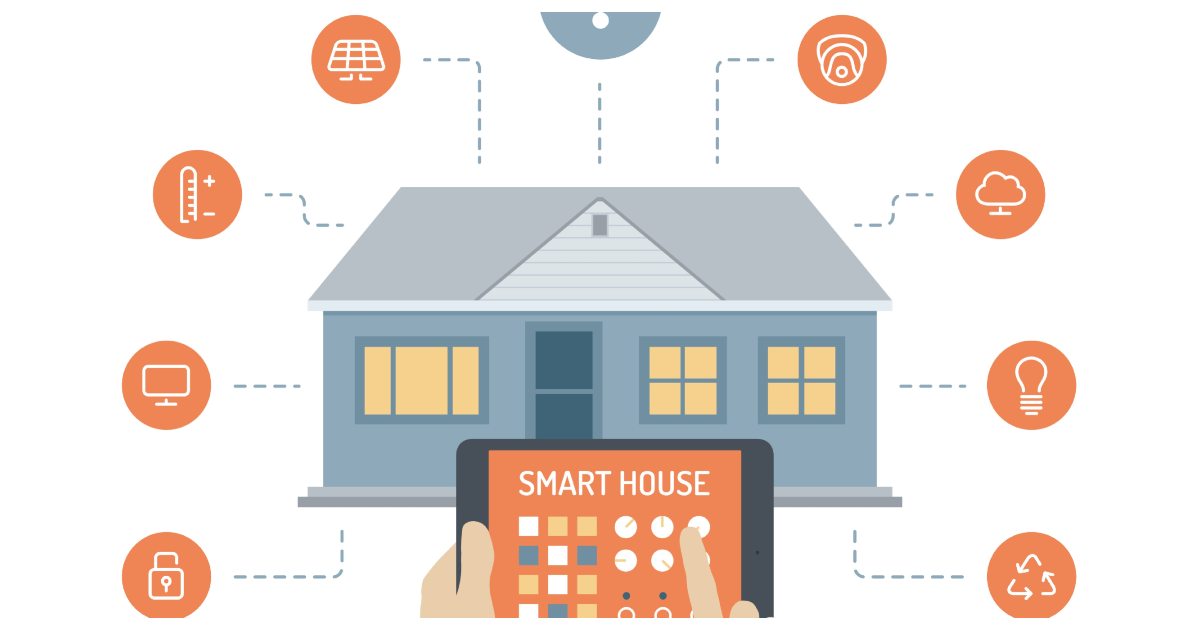
Smart homes quickly become cluttered and hard to manage as more devices, sensors, scenes, and routines are added. Control apps often turn into crowded dashboards. Consequently, navigation menus and toggles become inefficient.
Enter voice control. Speaking is the fastest and most natural way to interact with technology, far quicker than tapping screens or typing. Once you get used to it, using your voice is faster than reaching for a switch.
2. Hands-Free Convenience
When your hands are busy or even dirty, using a phone app to control smart devices can feel frustratingly impractical. Furthermore, gigging through menus just to unlock a door or trigger a command often defeats the purpose of going “smart.”
Voice assistants solve this by offering instant, hands-free control that keeps everything moving smoothly. This is most useful in messy kitchens with simple voice control helping coordinate the actions of various kitchen appliances.

3. Voice Controls are Invisible and Intuitive
The best smart home technology blends seamlessly into daily life. Lights turn on automatically when it’s dark, and doors unlock as you arrive and secure themselves afterwards. When manual control is needed, voice control is unmatched.
Voice assistants are always available and offer the fastest way to control devices without having to dig through apps or menus. Their invisibility makes them more intuitive and effective than manual screen controls.

4. Context Awareness is a Major Bonus
Placing smart speakers in multiple rooms gives voice assistants valuable context awareness. Simple commands like “turn on the lights” no longer affect the entire house; instead, they apply only to a specific room.
Voice assistants also shine because they understand natural language. Tasks like dimming lights, which require multiple steps on a phone app, become effortless with a spoken command. The assistant automatically selects the correct room and applies a reasonable brightness level.

5. Voice Control Can Be Personalised
Smart home apps are often tailored to one person, which can make them frustrating for others to use. A voice assistant solves this problem by offering everyone a simple, universal way to control smart devices.
If users know basic room and device names, they can interact naturally without learning an app layout. Simultaneously, voice recognition allows assistants to identify individual users, enabling adjustment to personalised routines.

6. Multistep Control Happens More Naturally
Automation goes beyond simple, one-off commands and can link multiple actions into a single, seamless routine. Everyday activities usually involve several devices and steps, which makes controlling them individually slow.
Once again, voice-triggered routines shine in this arena too. With a single command like “movie time,” your home can dim the lights, power down speakers, turn on the projector, switch inputs, and close the blinds in the right order.

7. Talking to Your Home is Pretty Fun
Talking to your home is practical and fun. Custom wake words and playful routines can make everyday interactions feel like something out of a sci-fi movie, whether it’s telling your “computer” to engage warp drive or triggering quirky soundscapes for sleep.
There’s also a serious upside to the silliness. Turning automation into something fun helps you learn the system more deeply. What starts as a novelty often ends up building the skills needed for more advanced and useful automations.

8. Using Your Voice Lets You Reduce Screen Time
Smartphones already dominate almost every part of daily life, from news and navigation to banking and entertainment. Adding basic tasks like turning on lights only increases screen time. Voice control offers a more natural alternative.
It lets you manage your home without constantly reaching for your phone and pulling your attention back to the real world. Over time, this approach simplifies control, reduces screen dependence, and makes your smart home feel more intuitive.

9. Voice Assistants Have Become Smarter
Assistants that once handled only basic commands are becoming far more conversational through AI-powered voice modes. This is happening because advanced language models are gaining direct control over smart home systems.
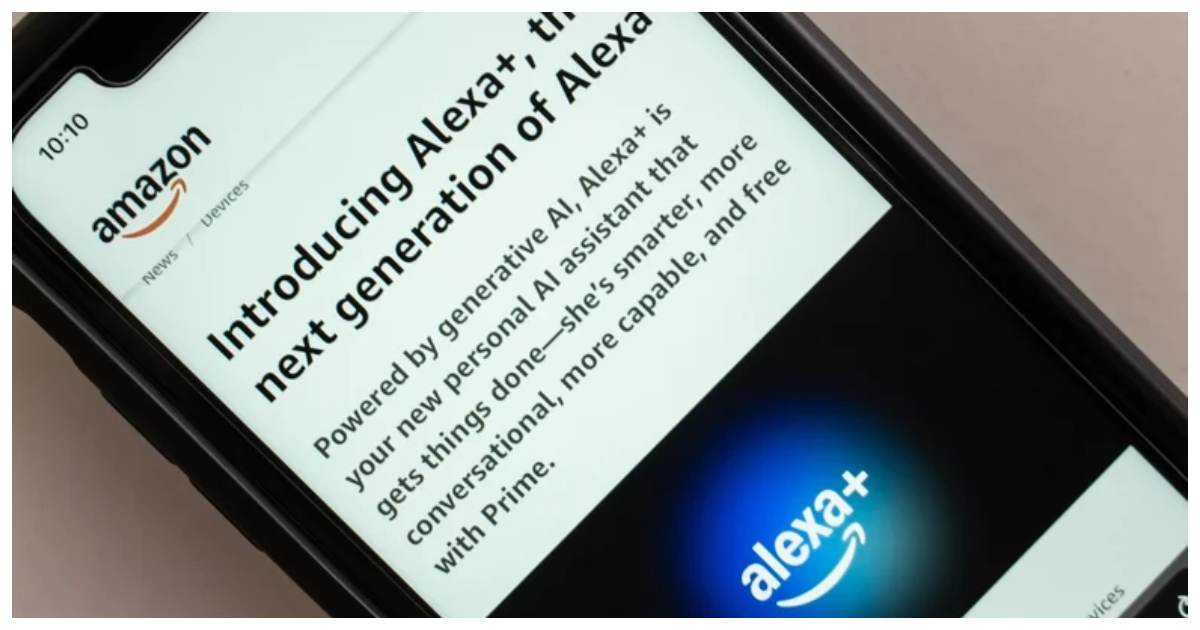
New offerings like Amazon’s Alexa+, Google’s Gemini on home devices, and Apple’s upcoming Siri upgrades promise more natural, fluid interactions. However, these features are still rolling out slowly and often come behind paywalls.
Voice assistants have quietly evolved from novelty features into essential smart home tools, carrying practical applications in modern households.
They simplify control as homes grow more complex, reduce reliance on cluttered apps and constant screen time, and make technology accessible to everyone in the household.
Stay tuned to Brandsynario for latest news and updates

 Join a Channel
 Brandsynario
 Veryfilmi