

















For years Pakistan sat in the shadow of India’s dominant fintech ecosystem, but that picture is starting to change.
A new Forbes report says Pakistan is finally rising in Fintech on its own as investor confidence returns and regulators introduce long overdue reforms that support digital finance.
Forbes Says Pakistan Emerges As a Rising Star in Fintech
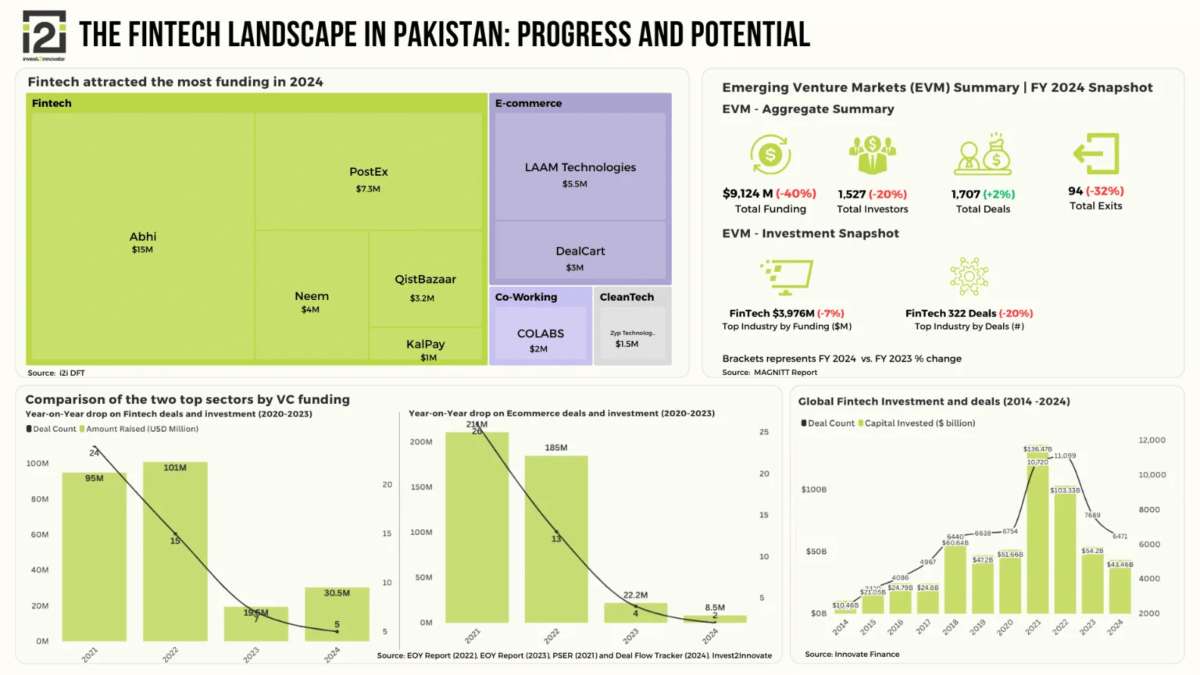
Forbes noted that Pakistan’s fintech journey has been marked by sharp highs and lows. Venture funding climbed from 10.4 million dollars in 2019 to 150 million dollars in 2022, signalling early momentum.
However, global economic pressures pushed investment down to only 12.5 million dollars in 2023.
The sector has since shown clear signs of recovery. Funding doubled to 26.3 million dollars in 2024 and reached 52.5 million dollars in the first half of 2025. By late November, Pakistan’s 450 fintech companies had collectively raised 391 million dollars in venture capital.
The largest deal so far in 2025 has been the $52 million raised by supply chain fintech Haball. Meezan Bank played a major role by contributing 47 million dollars, marking one of Pakistan’s most significant partnerships between a traditional financial institution and a digital startup.
Forbes said this collaboration reflects a broader shift in how established banks are engaging with fintech innovation.
Pakistan’s ongoing regulatory reforms have also helped set the stage for fintech expansion. The government-backed Pakistan Startup Fund is offering equity-free grants to attract early stage capital, while the State Bank of Pakistan has introduced a new licensing framework for digital banks.
Five institutions, including Easypaisa and Mashreq Bank have begun pilot operations under the digital banking regime. These initiatives aim to raise adult financial inclusion from 64% in 2023 to 75% by 2028.
Forbes highlighted comments from State Bank Governor Jameel Ahmad, who said that expanding access to formal financial services could create a broader base of consumers and entrepreneurs and strengthen economic activity especially in countries where informal financial practices remain widespread.
Pakistan Ranks 3rd Globally in Crypto Adoption
Pakistan is also emerging as a global leader in digital assets. According to Chainalysis’s Top Crypto Adoption 2025 Index, Pakistan ranks third, behind only India and the United States.
Unlike Bangladesh and Nepal, which have banned cryptocurrencies, Pakistan has maintained a more open, albeit cautious, stance. While the country historically took a hands-off approach, it is now actively developing a virtual asset regulatory framework.
In a major milestone for global representation, Bilal Bin Saqib, chair of the Pakistan Virtual Asset Regulatory Authority (PVARA), joined the World Economic Forum’s Steering Committee on Digital Asset Regulations.
Pakistani Startups Gain Global Recognition
The international spotlight on Pakistani fintech continues to broaden:
ABHI Joins Mastercard Start Path
ABHI became one of only eight global startups selected by Mastercard for its Small Business program in 2025.
ZAR Raises $12.9 Million for Stablecoin Pilot
ZAR is piloting dollar-backed stablecoins, marking a significant step in Pakistan’s crypto and Web3 landscape.
Two Pakistani Startups Make Forbes Asia 100 to Watch
- Haball
- PostEx
Both were highlighted among the Asia-Pacific’s most innovative and impactful emerging companies.
Digital transformation on the ground is equally striking as 88% of all retail transactions in FY2025 were processed digitally, according to State Bank data.
All this seems very hopeful and promising. Maybe Pakistan is finally establishing a strong identity of its own in the global fintech landscape.
Stay tuned to Brandsynario for latest news and updates

 Join a Channel
 Brandsynario
 Veryfilmi