

















Murree, A.K.A. the Queen of the Hills, is dying a painful death right in front of the very people who claim to love it.
Every winter, thousands of tourists flock to its slopes seeking snow and serenity. Yet with every trip, there is more traffic and plastic bottles tossed out of car windows. The question isn’t simply who killed Murree? It’s also: who is still complicit?
The truth is uncomfortable since we all know we are the ones. Tourists, local businesses, authorities, developers, and even ordinary visitors each play a role.
Among these contributors, the most immediate damage comes from travellers who arrive for a few hours of fun but leave behind scars that will last for generations.
The Ecological Crisis
Murree’s forests, springs, and rivers are shrinking under the weight of reckless tourism and uncontrolled construction. With each new road and resort, the natural ecosystem falls further out of balance.
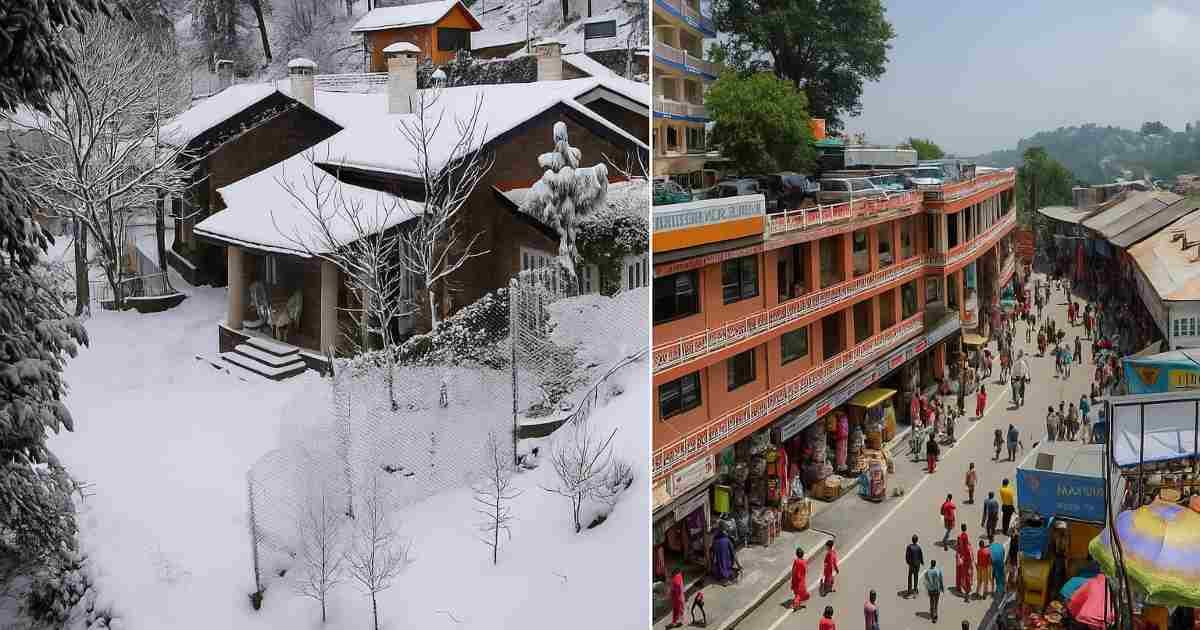
These hills, which feed the Soan, Haro, and Korang rivers, have been transformed into concrete landscapes of hotels, restaurants, and shops, many of which were built illegally over natural water channels.
The springs that once nourished entire valleys of maize, apple orchards, and cauliflower fields are vanishing. Heavy rains now arrive in violent bursts rather than the gentle showers that recharged underground aquifers.
Natural water pathways, destroyed by blasting and haphazard construction, can no longer carry snowmelt and rainfall to the rivers below.
Murree’s forests, once a thriving patchwork of deodar, chir, and blue pine, have been stripped bare. Soil erosion and deforestation have transformed fertile slopes into a precarious landscape.
Tourists Can Be Part of the Solution
It is easy to blame developers and authorities, but visitors bear a heavy responsibility. Many come “to enjoy the snow,” but leave behind a trail of trash.
The plastic bottles, chip wrappers, cans, food waste, and broken glass. Noise, honking, and blocked roads compound the damage. Every careless act harms the hills far more than most realise.
This winter, adopt a clean and green agenda. Avoid throwing garbage and damaging trees or disturbing wildlife. Tourists who truly love Murree can help reverse this decline.
Bring reusable water bottles and bags, keep trash in proper bins and respect designated parking and camping areas. Support hotels and restaurants that follow eco-friendly practices.
Leave every area cleaner than you found it.
A Call to Action
Murree is more than a tourist destination; it is a water tower for millions in Rawalpindi, Islamabad, and surrounding villages. When the springs dry and forests vanish, rivers weaken, aquifers collapse, and downstream communities suffer.
Protecting Murree is not just about preserving a beautiful landscape; it is about safeguarding a life-giving ecosystem.
The snow will fall, the pine trees will stand tall, and the cold winds will still carry the mountains’ scent, but only if we act now.
Murree is dying, and whether it can be saved depends on what we do this season, this year, and every visit we make.
Stay tuned to Brandsynario for latest news and updates

 Join a Channel
 Brandsynario
 Veryfilmi