















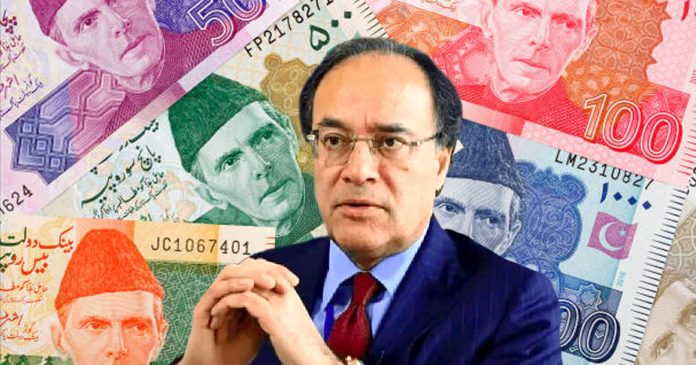

Pakistan’s Finance Minister Muhammad Aurangzeb said on Monday that although Pakistan’s economy is improving under the International Monetary Fund (IMF) programme, the country is still dealing with two major long-term challenges, rapid population growth and climate change.
While speaking at a ceremony in Islamabad, Aurangzeb said the reforms made through the IMF programme have helped Pakistan move toward macroeconomic stability.
But he added that this progress cannot continue if the country does not urgently deal with its population growth and climate risks.
Aurangzeb said Pakistan’s population is increasing at an annual rate of 2.5%, which he described as too high for sustainable development.
He said no country can achieve stable economic growth when its population grows at such a fast rate because it creates pressure on resources, public services, and planning.
The minister also said that climate change is making Pakistan’s economic situation harder, as the country is among the most climate-vulnerable nations. He said Pakistan must control both population growth and climate risks if it wants long-term stability.
Aurangzeb also spoke about Pakistan’s emissions levels and said that even though Pakistan is not a major emitter, population trends affect the country’s overall carbon output.
He said, “We often say that Pakistan does not emit carbon on a large scale, but the truth is that if the population growth rate declines, carbon emissions in Pakistan also decrease proportionally.”
Aurangzeb said both problems must be handled through national policies, public awareness, and long-term planning.
He added that economic reforms alone will not bring lasting prosperity if Pakistan does not address the demographic and environmental issues behind its challenges.
Stay tuned to Brandsynario for latest news and updates

 Join a Channel
 Brandsynario
 Veryfilmi