















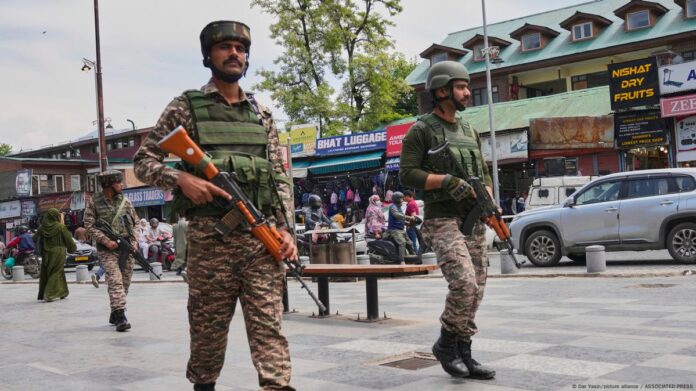

The relationship between nuclear-armed neighbours India and Pakistan continues to be tense. Developments in late April 2025 represented a major escalation, and concerns regarding regional stability were raised. Understanding the key issues and potential outcomes is crucial.
Recent Flashpoints
In response to a deadly terrorist attack on tourists in Pahalgam, Jammu and Kashmir, India made several unprecedented moves. New Delhi blamed the attack on cross-border Pakistani elements. India countered by suspending the 1960 Indus Waters Treaty (IWT) with immediate effect. The treaty, which regulated the sharing of waters for more than six decades, had weathered earlier wars. The treaty, India said, would be “in abeyance” until Pakistan took measures against terrorism. At the same time, India closed the vital Atari-Wagah border point to all traffic. It also sent some Pakistani defence attaches packing and issued cuts in diplomatic personnel at the respective High Commissions.
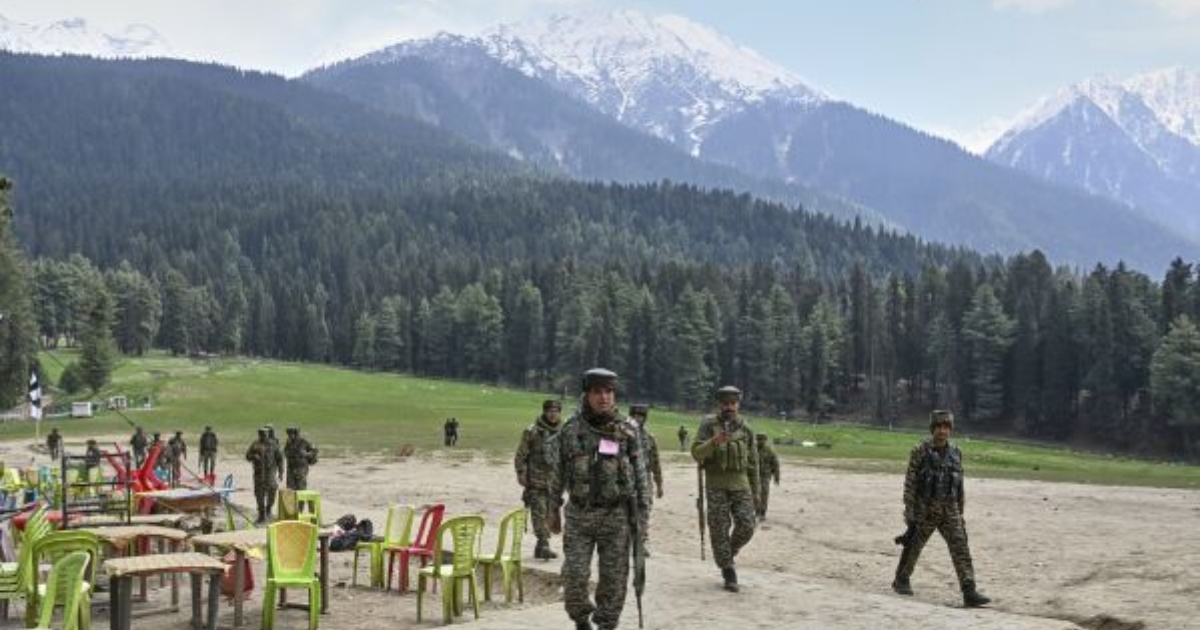
The Immediate Stakes: Water, Trade, Diplomacy
The suspension of IWT generates instant uncertainty about water resources. Although India cannot halt western river flows physically overnight, suspending treaty commitments such as data exchange creates long-term apprehension about water-reliant Pakistan. Closing Atari borders interrupts direct land exchange and drastically curtails people-to-people contact. Downgrading diplomatic relations decreases avenues of communication and conflict resolution even further for the two countries. All these steps individually and collectively convey a drastic decline in relations, beyond earlier diplomatic demonstrations.
Read More: Pakistan Blocks Major Indian Cyber Attacks Targeting Federal Ministries
Greater Regional Stability
The basic issue remains the long-standing Kashmir conflict and charges of cross-border terrorism. These latest tensions threaten to raise further instability in an already unstable region. Miscalculation or future aggressive actions might have perilous implications, as both nations are nuclear-capable. The failure of formal treaties and diplomatic conventions creates a disturbing precedent. It has the potential to engage other regional actors or outside international bodies that are interested in peace and security in South Asia.
Economic and Human Costs
Increased tensions necessarily affect economies. Lowered trade, possible investment chill, and heightened military preparedness draw resources away from development. The human cost is also considerable. Cut-off travel connections harm families separated by the border. A climate of hostility affects citizens on both sides. Finally, the present escalation emphasises the tenuous nature of peace in the area. Identifying avenues back to dialogue and de-escalation is imperative to prevent further conflict and instability. The stakes are not merely bilateral relations, but South Asian peace and prosperity.
Stay tuned to Brandsynario for the latest news and updates

 Join a Channel
 Brandsynario
 Veryfilmi