














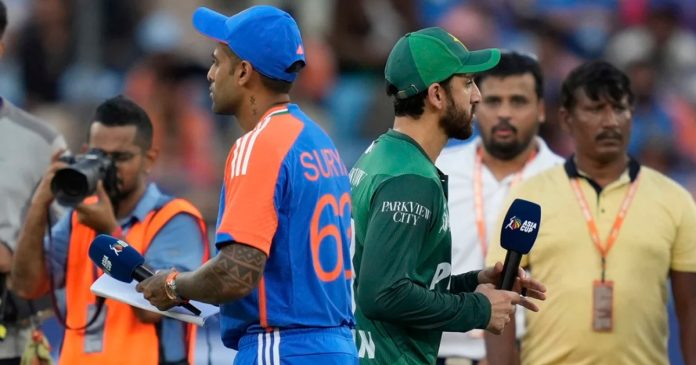

For ten tense days, the cricketing world waited, speculated, and debated. Would Pakistan face India in the ICC Men’s T20 World Cup 2026? Or would one of sport’s greatest rivalries fall silent? Late on Monday night, the uncertainty finally ended.
The Government of Pakistan officially confirmed that the national team will take the field against arch-rivals India on February 15 in Colombo, setting the stage for the most anticipated contest of the tournament.
View this post on Instagram
From Standoff to Showdown
The fixture is widely regarded as the commercial heartbeat of the World Cup. It has hung in the balance as Pakistan stood its ground over broader concerns involving fairness and governance within international cricket.
However, the breakthrough arrived following multilateral discussions and appeals from fellow cricketing nations.
According to the government’s official statement, several ICC members, including Sri Lanka and the UAE, urged Pakistan not to boycott the match. Highlighting the financial consequences such a decision could have on other participating countries.
The matter even reached the highest political level, with Prime Minister Shehbaz Sharif personally speaking to Sri Lanka’s President Kumara Dissanayake before the final call was made.
In its concluding remarks, the government emphasised that the decision was taken to protect the spirit of cricket and ensure the continuity of the global game across all nations.
ICC Welcomes the Breakthrough
Soon after, the International Cricket Council (ICC) confirmed that talks with the Pakistan Cricket Board (PCB) had been constructive and successful.
The governing body stressed unity, integrity, and cooperation, signalling that both sides recognised the importance of preserving the tournament’s stability.
The ICC reiterated that all members must honour their commitments to ensure the ongoing edition of the T20 World Cup remains a success.
While diplomatic in tone, the message underlined the significance of the Pakistan-India fixture not just for fans. But for the tournament’s overall health.
Bangladesh Factor
In a key development, the ICC confirmed that Bangladesh would not face any penalty despite their absence from the tournament.
Additionally, the Bangladesh Cricket Board (BCB) was awarded hosting rights for an ICC event in the 2028-2031 cycle. Shortly after, the BCB publicly thanked the PCB for its support and urged Pakistan to participate in the India fixture, a gesture that helped ease tensions.
Although reports suggested the PCB also raised concerns about a more equitable ICC revenue-sharing model. Neither the Pakistan government nor the ICC addressed that aspect in their official statements.
Cricket’s Biggest Rivalry Returns
With the political and administrative drama now settled, attention shifts back to the field where it belongs. Pakistan versus India is more than just a cricket match.
It is emotion, history, pressure, and spectacle rolled into one. The February 15 clash in Colombo now promises to be not only the tournament’s biggest fixture. But also a symbol of how cricket continues to bridge divides even in the most complicated circumstances.
Stay tuned to Brandsynario for the latest news and updates